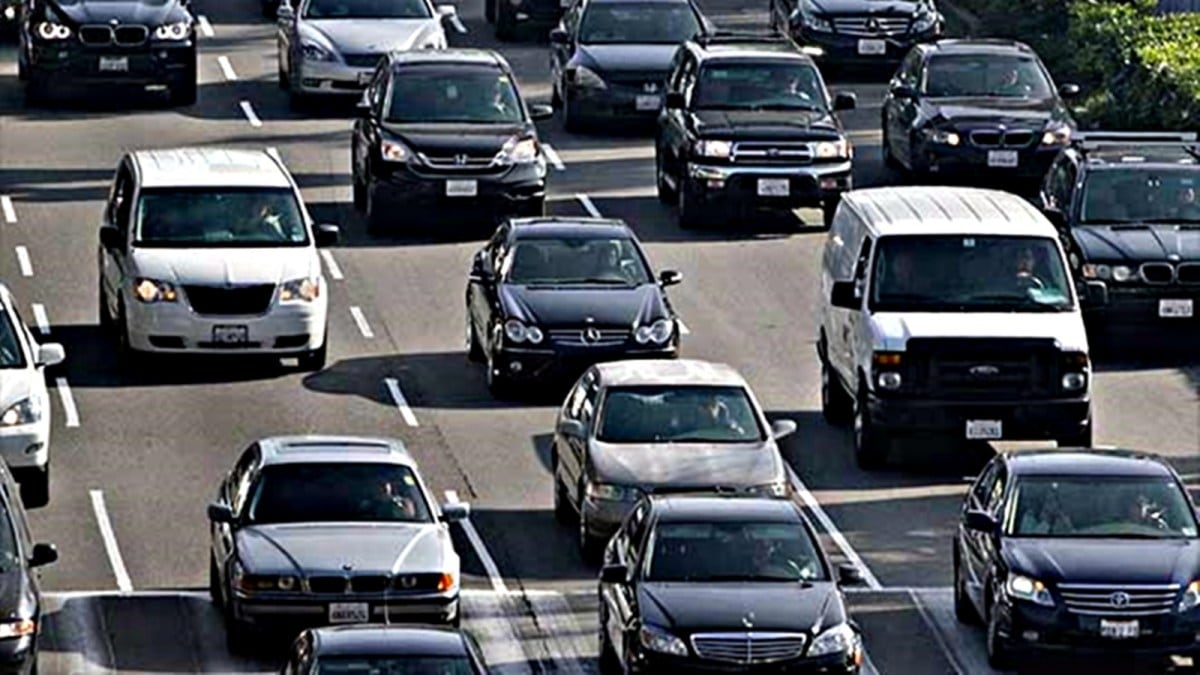
Bengaluru’s daily commute is slowing to a crawl, with peak-hour speeds dropping to nearly walking pace across key corridors. The city now ranks among the world’s most congested urban centres, a distinction that carries economic, environmental and social costs. As lost productivity mounts and air quality deteriorates, urban planners argue that traditional responses to road widening, flyovers and traffic policing are no longer delivering relief in India’s technology capital. For decades, Bengaluru has responded to rising vehicle ownership by expanding road infrastructure. Yet evidence from global cities suggests that adding road capacity often induces more traffic, not less.
Each new flyover or underpass temporarily eases pressure before being overwhelmed by additional private vehicles. The result is a cycle of construction without durable gains in mobility, while public transport struggles to compete for road space. In contrast, several international cities have adopted demand-management tools that directly address car usage in dense urban cores. Congestion pricing charging vehicles for entering the busiest districts during peak hours has been used in cities such as London, Stockholm and Singapore to reduce traffic volumes, improve bus speeds and fund public transport upgrades. Officials in those cities report sustained declines in private car trips alongside higher ridership on mass transit. For Bengaluru, the relevance lies not in copying models wholesale, but in recognising that pricing road space reflects its true economic and environmental cost.
Urban economists note that traffic congestion acts as an invisible tax on workers and businesses, eroding competitiveness in a city heavily reliant on knowledge industries. Time lost in traffic also disproportionately affects women and lower-income commuters who depend on buses and shared transport. Environmental implications are equally significant. Transport emissions are a growing contributor to urban carbon output, undermining climate resilience goals. Slower-moving traffic increases fuel consumption and local air pollution, worsening public health outcomes. Cities that have curtailed car dependency through pricing and pedestrian-friendly planning have recorded measurable reductions in emissions while reclaiming street space for people. However, implementing such measures in Bengaluru would require institutional coordination and public trust. Experts caution that congestion charges must be paired with reliable alternatives frequent buses, safe footpaths, last-mile connectivity and integrated ticketing.
Without visible improvements in public transport, pricing mechanisms risk being perceived as punitive rather than corrective. There are also governance challenges. Traffic management spans multiple agencies, and any city-wide reform would need clear accountability and transparent use of revenues. International precedents show that earmarking funds for metro expansion, bus electrification and street redesign can help build public acceptance. As Bengaluru debates its next phase of urban mobility, the question is less about infrastructure volume and more about how road space is valued and shared. Addressing Bengaluru traffic congestion will require shifting from car-centric expansion to people-first planning an approach increasingly seen as essential for sustainable, economically resilient cities.