


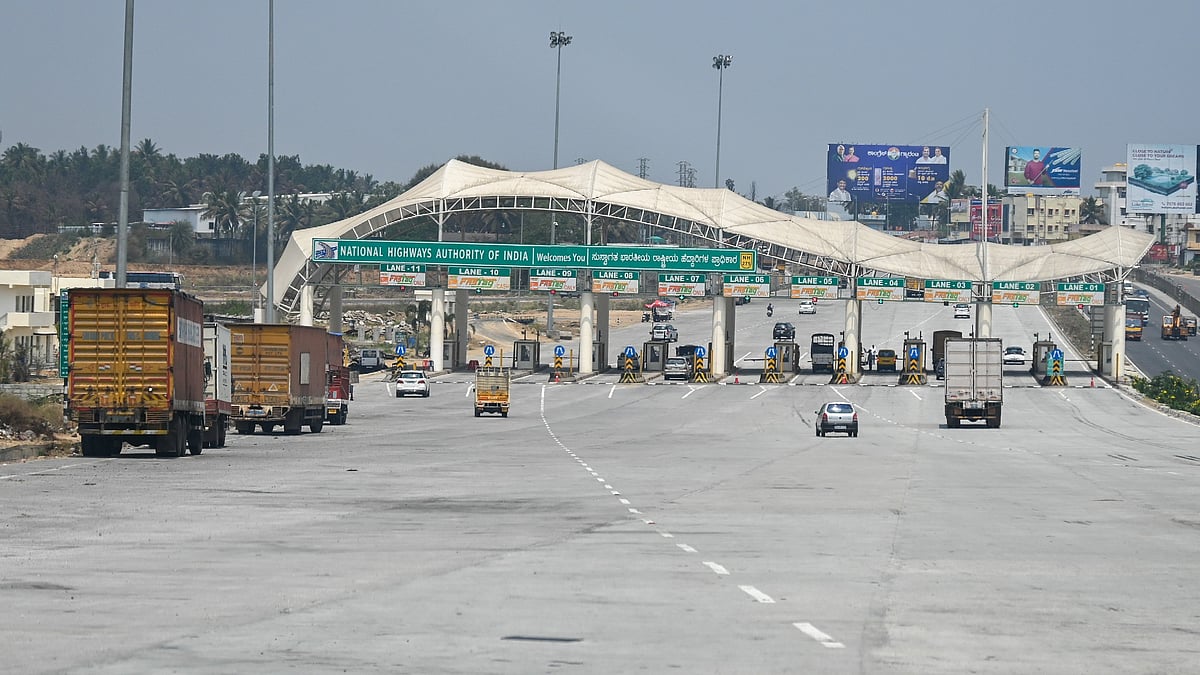
A statewide revision in highway user charges across Karnataka is set to reshape travel costs and logistics linked to Bengaluru, even as a key airport access corridor remains insulated from increases for private cars.
The decision to raise toll rates on multiple national highway stretches is expected to have indirect but significant consequences for the city’s mobility ecosystem. While daily commuters using certain critical routes into Bengaluru may avoid immediate hikes, the broader increase will influence goods movement, intercity travel, and service costs tied to the metropolitan economy.The development highlights how the Bengaluru toll hike impact extends beyond direct users of tolled roads. Logistics operators, cab aggregators, and commercial transport providers are likely to factor higher operating costs into pricing structures. This could gradually reflect in the cost of goods and services within the city, particularly for sectors dependent on road-based supply chains.Urban mobility experts note that Bengaluru’s economic footprint is closely linked to its regional connectivity. The city relies heavily on highway corridors for the movement of construction materials, food supplies, and industrial inputs. An upward revision in toll rates, even if moderate, can compound operational expenses across these sectors.At the same time, the exemption or stabilisation of toll rates on the airport access stretch for cars signals an effort to maintain affordability on a critical urban artery. This route serves not only air travellers but also a large workforce commuting to surrounding business districts. Keeping costs stable here may help limit disruptions to a high-frequency travel corridor.
From an infrastructure financing perspective, toll revisions are typically aligned with maintenance costs, inflation adjustments, and long-term viability of road assets. Officials indicate that such increases are part of structured agreements governing highway operations. However, the cumulative burden on users, particularly in a high-growth urban region, remains a point of concern.The Bengaluru toll hike impact also intersects with sustainability debates. Rising road usage costs can, in theory, encourage a shift towards shared mobility or public transport. Yet, in cities where alternatives remain uneven or underdeveloped, higher tolls may simply translate into increased expenses rather than behavioural change.Urban planners argue that pricing signals like toll adjustments must be complemented by investments in mass transit, multimodal integration, and last-mile connectivity. Without viable alternatives, private vehicle dependence is unlikely to reduce significantly, limiting the environmental benefits such measures could potentially deliver.For the real estate and infrastructure sectors, changes in transport costs can influence location preferences over time. Peripheral areas connected by tolled highways may see shifts in demand depending on affordability and accessibility dynamics. Developers and investors will closely track how these adjustments affect commuter patterns and logistics efficiency.
As Bengaluru continues to expand, the balance between infrastructure funding and user affordability will remain critical. The current revision underscores the need for integrated planning that aligns transport pricing with broader goals of economic competitiveness, urban inclusivity, and low-carbon mobility.
Also Read:Bengaluru Hackathon Sparks Innovation For Urban Challenges
