


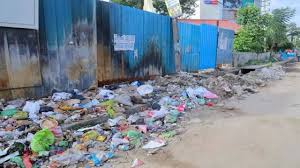
Bengaluru is set to enforce a new framework for urban waste management, shifting accountability not only to residents but also to contractors handling the city’s garbage. The Greater Bengaluru Authority (GBA), through Bengaluru Solid Waste Management Ltd (BSWML), has revised tender conditions for municipal waste collection, introducing financial penalties for contractors to ensure adherence to service standards across the metropolis.
The city has been divided into 33 contract zones under the new tendering process, which has already commenced. Contractors will now face fines for lapses in maintaining market and garden cleanliness, unauthorised dumping, digital attendance non-compliance, staff mismanagement, and improper waste spillage during collection. For instance, failure to maintain market hygiene can attract fines of up to Rs 5,000, while unauthorised dumping may trigger penalties of Rs 50,000 alongside potential legal action. Vehicles used for waste collection are required to be equipped with GPS tracking, adding a layer of operational transparency. Urban planners and civic management experts see these reforms as an effort to professionalise municipal waste services in India’s rapidly expanding cities. “Holding contractors directly accountable aligns operational responsibility with service delivery outcomes. It also reduces the reliance on reactive enforcement against citizens alone,” noted a senior urban governance consultant.
The move comes amid growing challenges in Bengaluru’s waste ecosystem. With an increasing population and sprawling development, irregular collection schedules, overflow of municipal bins, and illegal dumping have contributed to environmental degradation and public health concerns. By penalising both service providers and individuals, the GBA aims to achieve cleaner public spaces, prevent the creation of black spots, and enhance civic compliance. Industry observers highlight that the inclusion of strict tender clauses could also improve contractor performance in terms of digital reporting, timely collection, and maintenance of public spaces. Experts emphasise that integrating technology such as GPS-enabled collection vehicles and mandatory digital attendance can help the city track performance in real time, fostering accountability and data-driven urban planning. Critics, however, caution that while fines incentivise compliance, they must be complemented by monitoring, citizen feedback mechanisms, and capacity-building of contractors to prevent operational bottlenecks. Without systemic oversight, fines alone may not address root issues such as staff shortages, logistical inefficiencies, or infrastructure constraints.
The new rules reflect a broader trend in Indian cities to modernise waste management through contractual accountability, technology integration, and citizen engagement. If implemented effectively, Bengaluru’s model could serve as a blueprint for sustainable urban waste practices, aligning with climate-resilient and zero-carbon city objectives while ensuring equitable public services.
Also Read: Visakhapatnam Digital Economy Sparks Land Price Surge
Bengaluru Tightens Waste Management Rules For Contractors
