


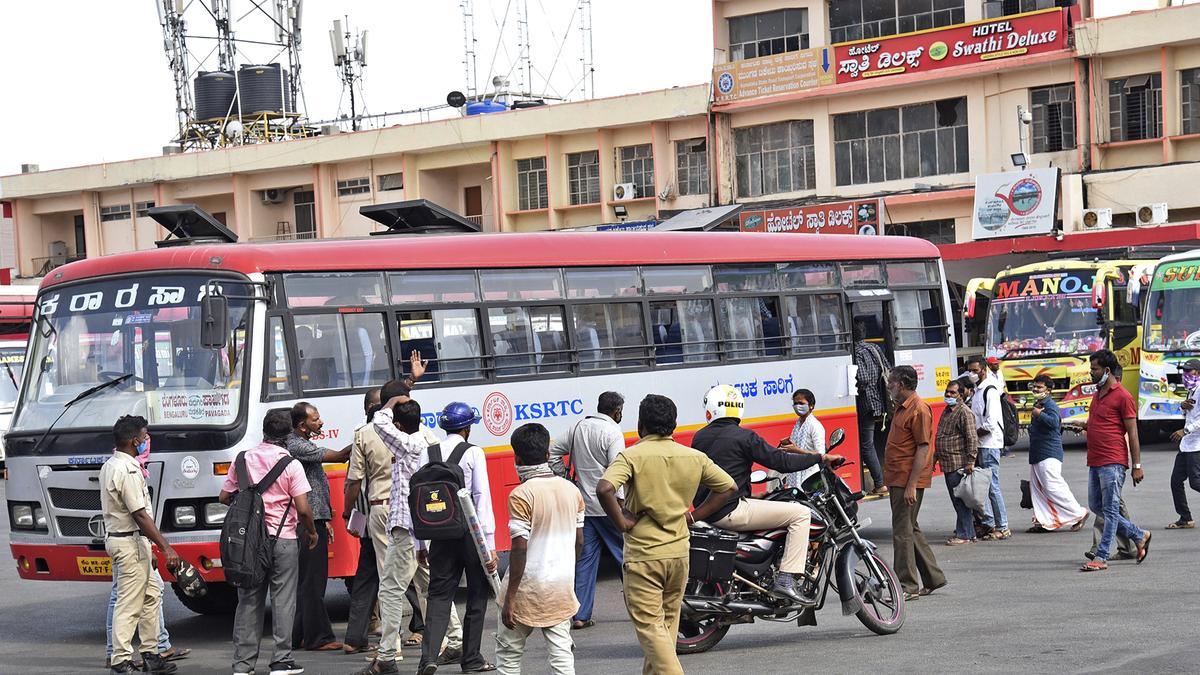
Bengaluru Sees Surge in Ticketless Bus Travel, Raising System Concerns
Public transport authorities in Bengaluru have reported a significant number of passengers travelling without valid tickets on city buses, prompting concerns over revenue leakage and operational sustainability.
The rise in Bengaluru ticketless travel cases underscores ongoing challenges in maintaining efficiency and accountability within one of India’s busiest urban bus networks.Transport officials indicate that thousands of instances of fare evasion have been recorded during recent inspections across multiple routes. These checks, carried out as part of routine enforcement, revealed gaps in compliance that directly affect the financial health of the public transport system. For a service that caters to millions daily, even small-scale fare evasion can accumulate into substantial losses over time.Experts point out that the Bengaluru ticketless travel trend reflects broader systemic issues, including overcrowding, inconsistent ticket verification, and limited digital adoption. In high-density corridors, conductors often face difficulty ensuring that every passenger has paid, particularly during peak hours when buses operate beyond capacity.The financial implications extend beyond immediate revenue loss. Public bus services rely on fare collection to fund operations, maintenance, and service expansion. Persistent leakage can restrict the ability to invest in fleet modernisation, cleaner fuel technologies, and improved passenger amenities—key elements in building a sustainable urban mobility ecosystem.
From a governance perspective, the issue raises questions about enforcement strategies and commuter behaviour. While penalties exist for ticketless travel, their effectiveness depends on consistent monitoring and awareness. Urban mobility specialists suggest that a combination of stricter enforcement and behavioural nudges may be required to improve compliance.The Bengaluru ticketless travel challenge also intersects with equity considerations. Public transport remains a lifeline for low- and middle-income groups, and ensuring affordable access is essential. However, widespread fare evasion can undermine the financial viability of the system, potentially leading to fare revisions or reduced service quality, which disproportionately affects vulnerable commuters.Digital ticketing solutions are increasingly seen as a way forward. Contactless payments, mobile-based tickets, and automated fare collection systems can reduce dependency on manual processes and improve transparency. Several Indian cities are exploring such technologies to minimise revenue leakages and enhance commuter convenience.A senior transport official noted that inspection drives will continue, alongside efforts to strengthen ticketing systems and raise public awareness about the importance of fare compliance. Ensuring that passengers contribute fairly to the system is viewed as critical for maintaining service reliability.
As Bengaluru continues to expand, the demand for efficient and sustainable public transport will only grow. Addressing the Bengaluru ticketless travel issue is likely to play a key role in shaping the future of the city’s mobility network.
The focus ahead will be on balancing enforcement with accessibility, ensuring that public transport remains both financially viable and inclusive for the diverse population it serves.
Also Read:Bengaluru Property Tax Dues Impact Urban Infrastructure
