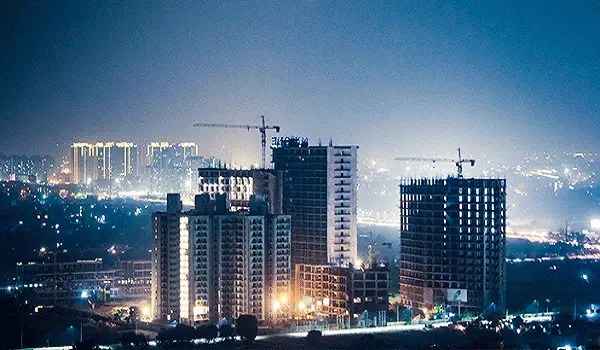
Bengaluru Tech Growth Fuels State Residential Boom
Bengaluru’s expanding technology sector is shaping a rapid transformation in Karnataka’s housing landscape, with nearly 8.7 lakh residential units currently under development across the state. Covering more than 7,000 lakh sq ft of carpet area, these projects indicate robust demand, reflecting a shift towards formal housing markets and larger living spaces post-pandemic. The trend underscores the interplay between employment growth, urbanisation, and residential infrastructure in driving regional economic expansion.
Industry analysts point out that Bengaluru continues to anchor the state’s residential market, propelled by its tech ecosystem, favourable climate, and growing connectivity corridors. The Outer Ring Road and other arterial transport links are facilitating access to emerging residential hubs, not only in the metro but increasingly in tier-2 cities like Mysuru, Mangaluru, Kalaburagi, and Belagavi. This has encouraged adoption of apartment living in smaller urban centres, where plotted developments traditionally dominated.
Urban planners note that this housing momentum signals deeper engagement with formal property channels, with buyers post-Covid showing a preference for slightly larger homes. Experts suggest that sustained growth will depend on streamlined project approvals, improved coordination among regulatory authorities, and reliable utility provision. Without these, project timelines often spanning four to six years may face delays, affecting affordability and accessibility for residents. From an economic perspective, the residential sector is closely tied to broader industrial and infrastructure growth. Capital generated in employment-rich sectors tends to circulate into housing, creating a self-reinforcing cycle that benefits construction activity, local supply chains, and municipal revenues. Analysts emphasise that such growth, if paired with equitable urban planning, can bolster inclusive opportunities across income segments while mitigating pressure on city centres.
Environmental and climate considerations are increasingly critical as Karnataka’s urban footprint expands. Planners and sustainability experts highlight the need for energy-efficient building practices, green spaces, and low-carbon materials to ensure the state’s housing expansion aligns with climate-resilient city planning. Integrating these practices can reduce urban heat islands, improve water management, and enhance long-term livability. Looking ahead, Karnataka’s housing trajectory suggests both opportunities and challenges. While Bengaluru and emerging tier-2 cities offer fertile ground for residential growth, the sector’s resilience will hinge on effective governance, sustainable design, and ongoing investment in transport and civic infrastructure. By addressing these factors, the state can support a housing market that meets rising demand while fostering equitable, climate-conscious urbanisation.