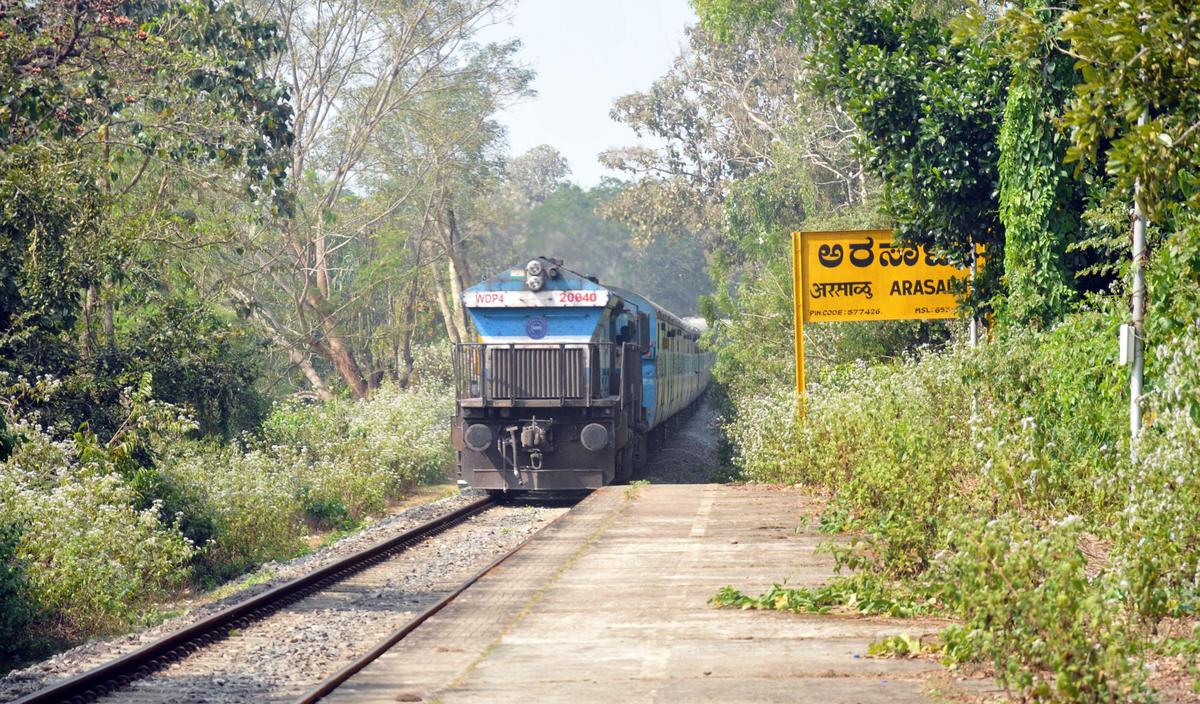
Bengaluru Talguppa Rail Services Increased For Jatra Event
Karnataka’s rail network is set for a short-term capacity boost as South Western Railway (SWR) rolls out special services connecting Bengaluru with Talguppa in Shivamogga district, responding to the surge of travellers attending the Sirsi Marikamba Devi Jatra Mahotsava. The targeted intervention underscores the intersection of urban mobility planning, regional tourism, and sustainable infrastructure utilisation in mid-sized Indian cities.
A dedicated express service will depart from Bengaluru’s Yesvantpur station late on February 27, reaching Talguppa in the early hours of February 28. The return journey will see the train leaving Talguppa later that morning and arriving in the state capital by evening. The service will call at 16 intermediate stations including Tumakuru, Tiptur, Arsikere, and Shivamogga Town, ensuring connectivity for smaller urban and peri-urban settlements along the corridor. The 20-coach train will feature a mix of first-class, AC tiers, sleeper, and general compartments, reflecting demand across socio-economic strata.
Complementing this, SWR is temporarily extending the Yesvantpur–Shivamogga Town Tri-weekly Express to Talguppa for a single round trip on March 1. The adjustment demonstrates a flexible use of existing infrastructure to accommodate episodic spikes in passenger flow. The extension includes key halts at Shivamogga Town and Sagara Jambagaru, linking local economies and facilitating travel for religious and cultural participants from multiple districts. Urban mobility experts note that such temporary rail augmentations are essential in regions where major cultural events generate high transit demand. By optimising existing rail assets instead of relying solely on additional road transport, authorities mitigate congestion, reduce carbon emissions, and provide equitable access for both local residents and visitors. For smaller towns like Talguppa, the arrangement also delivers economic benefits by connecting local markets, increasing tourism footfall, and supporting ancillary services.
From a civic infrastructure perspective, these services illustrate the role of adaptive scheduling in sustaining inclusive and resilient mobility. Senior planners highlight that episodic spikes in demand, if managed through temporary rail extensions rather than ad hoc buses or private vehicles, contribute to long-term sustainability goals, including reduced vehicular emissions and safer regional transport corridors. As Karnataka prepares for the annual Jatra, these interventions provide insight into how rail operators can balance operational efficiency with public demand, while supporting climate-conscious and inclusive urban development. Observers suggest that lessons from Talguppa could inform planning for similar pilgrimage-linked transport surges across other mid-sized cities, aligning event-driven mobility with broader infrastructure resilience objectives.