


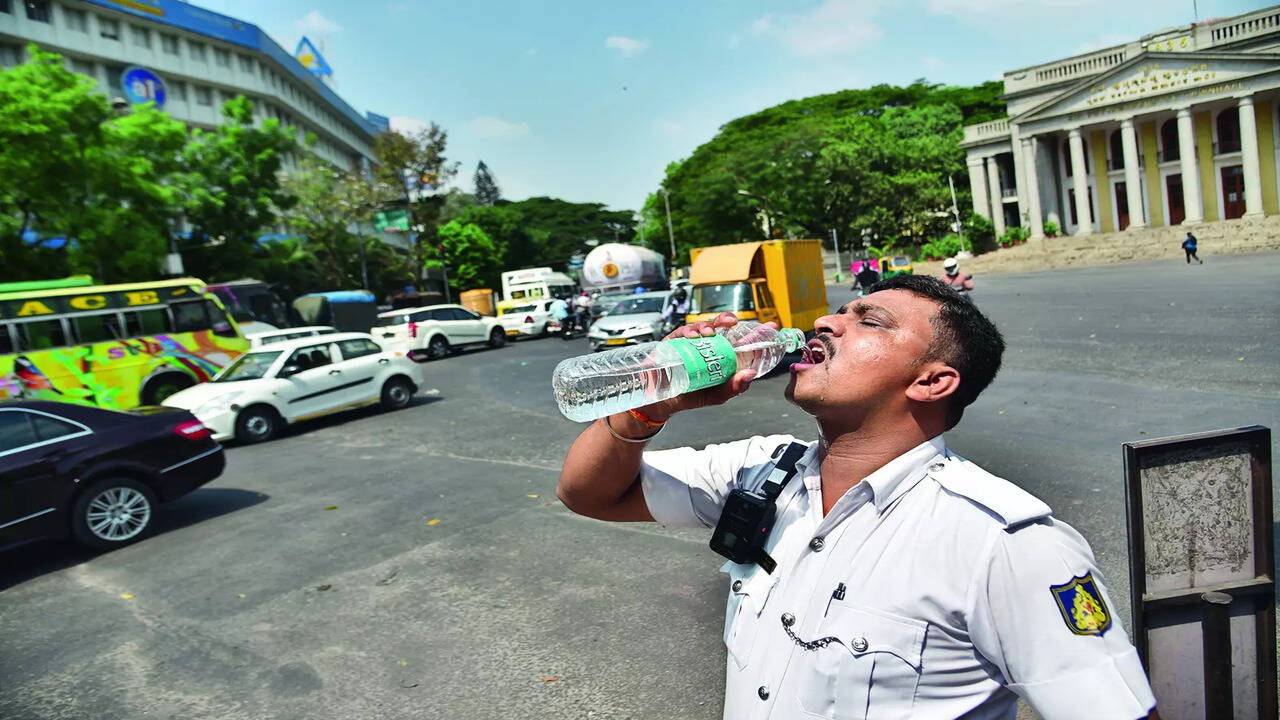
Rising temperatures in Bengaluru are contributing to an increase in stomach-related infections, highlighting the intersection between climate conditions and public health in urban environments.
As summer intensifies, healthcare providers are reporting a noticeable uptick in cases linked to food and water contamination.The Bengaluru summer infections trend is being driven by higher temperatures that accelerate bacterial growth in food and water sources.Health experts indicate that improper storage, poor hygiene practices and exposure to contaminated supplies are key factors contributing to the rise in gastrointestinal illnesses.From an urban health perspective, the Bengaluru summer infections pattern underscores vulnerabilities in city systems during extreme weather conditions. Water supply networks, waste management systems and food safety practices all come under greater strain as temperatures rise, increasing the risk of disease transmission.Medical professionals note that the Bengaluru summer infections are particularly affecting children, the elderly and individuals with weakened immunity. Symptoms such as diarrhoea, vomiting and dehydration are commonly reported, placing additional pressure on healthcare facilities during peak summer months.The trend also highlights the role of climate change in shaping urban health outcomes. Experts suggest that increasing frequency and intensity of heat events can exacerbate public health risks, especially in densely populated cities.
The Bengaluru summer infections therefore reflect a broader need for climate-responsive healthcare planning.Infrastructure plays a crucial role in mitigating such risks. Reliable access to clean drinking water, effective sewage systems and proper waste disposal are essential to preventing contamination. Urban planners emphasise that strengthening these systems is key to improving resilience against heat-related health challenges.Public awareness is another critical factor. Educating residents about safe food handling, hygiene practices and the importance of hydration can help reduce the incidence of infections. Preventive measures, including boiling water and avoiding roadside food during peak heat periods, are often recommended by health authorities.Economic implications are also evident. Increased illness can lead to higher healthcare costs, reduced productivity and disruptions in daily activities. For informal workers and small businesses, such impacts can be particularly significant.The Bengaluru summer infections trend further highlights the need for coordinated responses between health departments, municipal authorities and community organisations. Early warning systems, surveillance and timely interventions can help manage outbreaks more effectively.As Bengaluru navigates rising temperatures, the focus is shifting towards building resilient health systems that can respond to climate-related challenges.Integrating public health considerations into urban planning is becoming increasingly important.
Looking ahead, addressing the root causes of the Bengaluru summer infections will require a combination of infrastructure upgrades, policy measures and behavioural change.Strengthening city systems and improving public awareness can help mitigate risks and ensure better health outcomes during extreme weather conditions.
Also Read:Chennai Thiruvananthapuram Special Trains Enhance Rail Connectivity
