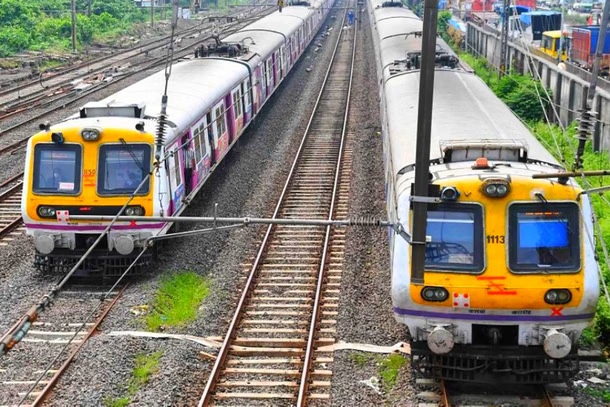
Bengaluru, a major expansion of Bengaluru’s rail infrastructure is set to reshape urban mobility, with a 148-kilometre suburban rail network expected to serve nearly 19 lakh daily commuters and remove around 40,000 buses from city roads. Officials highlighted the network’s potential to ease chronic congestion, reduce travel times, and integrate multiple modes of transport across the metropolitan area.
The project, spanning four corridors named Sampige, Mallige, Parijata, and Kanaka under the collective brand “Samparka,” will link 57 stations and connect with 17 Metro stations, 22 railway terminals, and key bus depots. Urban planners suggest that this level of multimodal integration could significantly enhance the efficiency of Bengaluru’s transit ecosystem, providing a viable alternative to private vehicles while aligning with sustainable mobility objectives. A key feature of the network is its focus on accessibility and climate-conscious design. Stations are being constructed with universal access in mind, and are equipped with solar panels, rainwater harvesting systems, and energy-efficient building practices. Experts estimate that these measures could reduce annual carbon emissions by close to 10 million tonnes and harvest up to 22 million litres of water per year, underlining the city’s push towards zero-carbon, resilient infrastructure.
The Yeshwantpur interchange exemplifies the network’s innovative approach. The five-storey station will house stacked corridors, enabling two suburban lines to operate vertically above one another—a first in Bengaluru. Basement parking and seamless connections to Metro and Indian Railways aim to optimise commuter flow and reduce last-mile travel challenges. From an operational standpoint, the elimination of approximately 24 level crossings is expected to enable high-frequency suburban services while minimising traffic disruption. In densely built areas, authorities plan to elevate tracks using advanced retaining wall and track-shifting techniques, reducing the need for large-scale displacement. Urban mobility analysts note that such solutions are critical to achieving efficient, high-capacity suburban rail operations without exacerbating urban congestion.
Economists and city planners indicate that the suburban network could also stimulate equitable economic opportunities. By connecting peripheral zones with central business districts, the system may enhance labour mobility, increase access to affordable housing markets, and support real estate development in a sustainable manner. With Bengaluru’s population continuing to expand, integrated transport solutions like Samparka are increasingly essential to balance growth with environmental responsibility and urban livability. While the project is ambitious, successful execution will require ongoing coordination between rail authorities, city planners, and transport operators. Observers suggest that attention to operational efficiency, commuter safety, and maintenance sustainability will determine the long-term impact of Bengaluru’s suburban rail on both the city’s environment and its socio-economic fabric.