



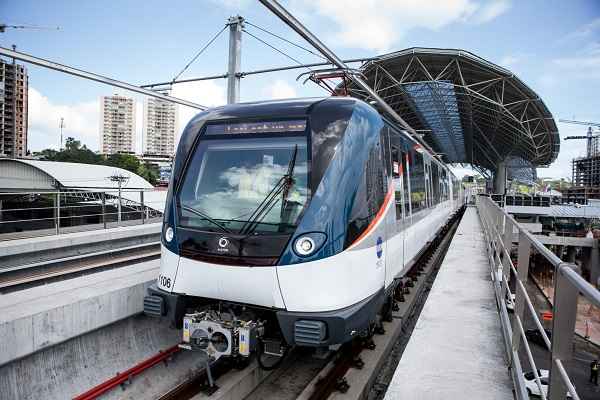
Delays in land transfer are slowing progress on Bengaluru’s ambitious suburban rail network, raising concerns about the project’s ability to meet its six-year completion timeline.
The setback underscores the complexities of executing large-scale urban infrastructure in rapidly expanding cities.The Bengaluru suburban rail delay is primarily linked to pending land handovers required for corridor development, station construction, and associated infrastructure. While civil works have begun in certain sections, uneven progress across the network is affecting overall timelines and project coordination.The suburban rail system is designed to transform regional mobility by connecting the city core with peripheral growth zones, reducing congestion and offering a high-capacity alternative to road-based transport.However, land acquisition and transfer remain among the most persistent bottlenecks in infrastructure delivery across Indian cities.Urban transport experts note that the Bengaluru suburban rail delay reflects systemic challenges in aligning multiple stakeholders, including government agencies, rail authorities, and local administrations.Delays in approvals, compensation processes, and inter-agency coordination can significantly slow project execution, even when funding and planning are in place.From a mobility standpoint, the project is critical to addressing Bengaluru’s chronic traffic congestion. With vehicle ownership rising and road networks nearing saturation, expanding rail-based transit is seen as essential for sustainable urban growth. Any delay in implementation prolongs dependence on private vehicles and road transport, exacerbating congestion and emissions.
There are also economic implications. Infrastructure projects of this scale generate employment, stimulate real estate development, and improve connectivity for businesses. Delays can defer these benefits, affecting investment cycles and slowing the pace of urban transformation.The environmental dimension is equally significant. Suburban rail systems are typically more energy-efficient than road transport and play a key role in reducing carbon footprints.Slippages in timelines may hinder the city’s ability to transition towards low-emission mobility solutions.Experts emphasise the need for streamlined land management processes, including digitised land records, faster dispute resolution mechanisms, and improved coordination between agencies. Early-stage planning that anticipates land requirements and potential conflicts can help mitigate delays.Officials involved in the project indicate that efforts are underway to expedite land transfers and resolve pending issues.However, the success of these measures will depend on sustained administrative focus and effective stakeholder engagement.As Bengaluru continues to expand beyond its traditional boundaries, the suburban rail network remains a cornerstone of its future mobility strategy.Ensuring timely execution will be critical not only for easing congestion but also for supporting more balanced and sustainable urban development.
The current delays highlight a broader lesson for Indian cities: infrastructure ambitions must be matched by equally robust implementation frameworks to deliver projects on time and at scale
Also Read:Bengaluru Hospital Ventilator Delay Raises Care Concerns
