


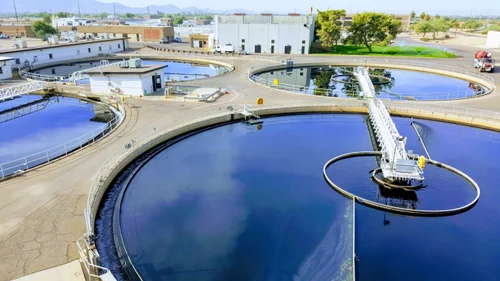
Untreated sewage flowing out of Bengaluru’s urban limits is raising concerns about the long-term viability of a key wastewater reuse system that supports agriculture in neighbouring districts.
Authorities have flagged that lapses in treatment could undermine gains made through the reuse of treated water in water-scarce regions such as Kolar and Chikkaballapur.The issue centres on the KC Valley Project, which channels treated wastewater from Bengaluru to replenish lakes and support irrigation. The initiative has been widely regarded as a model for circular water management, helping address groundwater depletion and agricultural distress. However, the inflow of untreated or partially treated sewage is now posing environmental and public health risks.Urban water experts point out that wastewater reuse systems depend heavily on consistent treatment standards. When untreated sewage enters the supply chain, it can contaminate water bodies, affect soil quality and reduce the usability of water for farming. In regions that rely on this system for irrigation, any decline in water quality can have direct economic consequences for farmers.
The problem highlights broader gaps in Bengaluru’s wastewater management infrastructure. Rapid urbanisation has increased sewage generation, but treatment capacity and network efficiency have not kept pace.Leaks, overflows and illegal connections can lead to untreated discharge, particularly during periods of heavy inflow.Experts argue that strengthening sewage treatment plants and monitoring systems is critical to maintaining water quality.
From an urban planning perspective, the Bengaluru sewage inflow issue reflects the interconnected nature of city and regional ecosystems. Waste generated in urban centres often impacts surrounding rural areas, making integrated planning essential. Ensuring that wastewater is adequately treated before reuse is not only an environmental necessity but also a matter of equitable resource distribution.There are also implications for climate resilience. Water reuse projects like KC Valley are increasingly important in managing water scarcity, especially in regions facing erratic rainfall patterns. However, their effectiveness depends on maintaining ecological balance and preventing contamination. Failure to address sewage inflow issues could undermine confidence in such initiatives and limit their scalability.Economic considerations are equally significant. Investments in wastewater infrastructure, including treatment plants and distribution networks, are substantial. Protecting these investments requires ongoing maintenance and regulatory oversight. Additionally, ensuring high-quality treated water can open opportunities for industrial reuse, reducing pressure on freshwater sources.Authorities are expected to focus on tightening monitoring mechanisms, upgrading treatment facilities and improving coordination between urban and regional agencies. Experts suggest that adopting advanced treatment technologies and real-time tracking systems could help prevent untreated discharge.
As Bengaluru continues to grow, managing wastewater responsibly will be central to building sustainable urban systems. The current challenge serves as a reminder that infrastructure must evolve alongside expansion, ensuring that environmental gains are preserved and shared across regions.
Also Read:Bengaluru Rail Expansion Boosts Corridor Capacity
