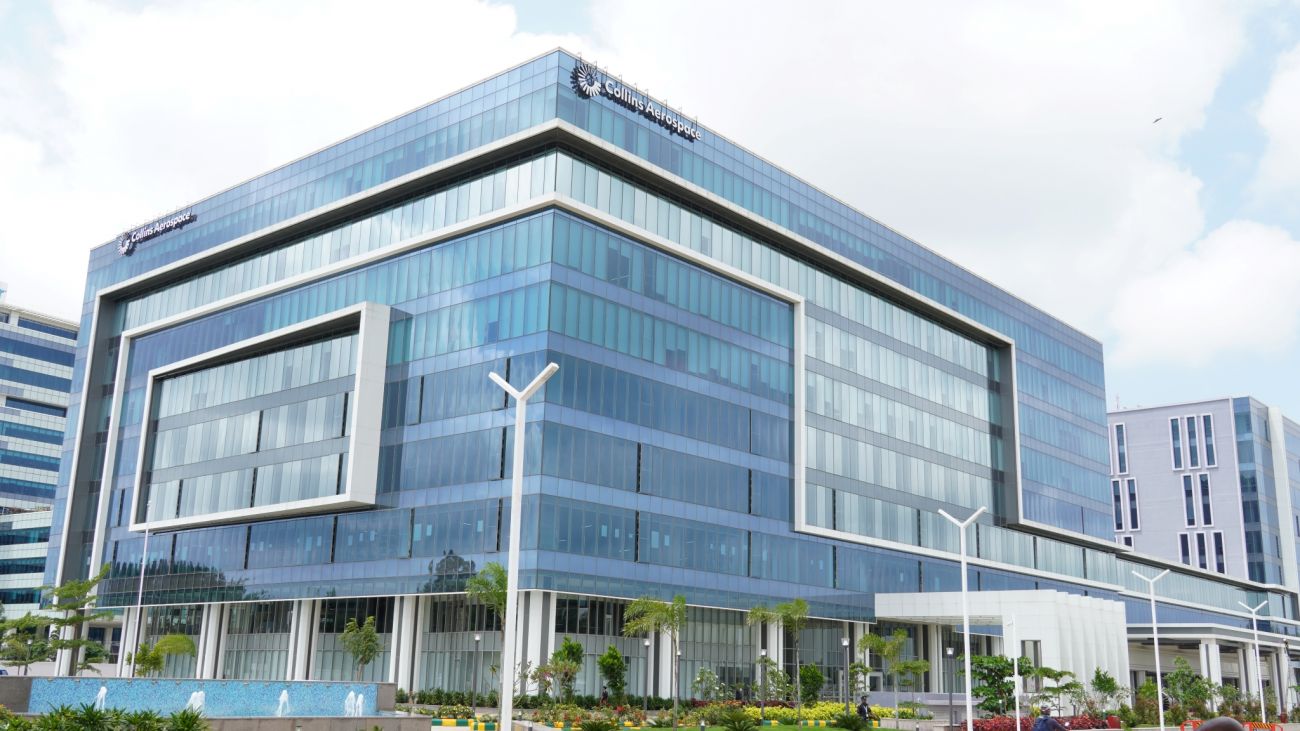
Bengaluru Set To Host Advanced Aerospace Engineering Facility
Japan’s aircraft interiors manufacturer is establishing a new engineering centre in Bengaluru, signalling a strategic expansion of high-precision aerospace manufacturing in Karnataka. The facility will focus on designing and developing cabin components for global aviation firms, reinforcing the city’s growing role as an innovation and manufacturing hub for India’s aviation ecosystem.
The decision comes amid rising domestic air travel and increasing demand for upgraded passenger experience in commercial aircraft. Industry observers note that Bengaluru’s concentration of skilled engineers, established aerospace supply chains, and industrial infrastructure make it an attractive destination for international aviation firms seeking to deepen their presence in India. The upcoming centre will be tasked with the end-to-end development of interior aircraft systems, including seating, galley layouts, lavatories, and other cabin modules. Urban planners and economic analysts highlight that such investments carry broader urban and economic implications. They not only generate specialised employment opportunities but also create downstream demand for suppliers, logistics, and supporting technology firms in the region.
Karnataka has cultivated a strong aerospace ecosystem over decades, with research institutions, engineering colleges, and manufacturing clusters feeding into both domestic and global aviation programmes. The expansion of this Japanese company adds to a growing portfolio of international aerospace players operating in the state, underscoring the city’s capability to handle complex, high-value engineering work. From a sustainable urban development perspective, the facility presents opportunities to integrate climate-conscious design and operational efficiency into industrial operations. Analysts suggest that the inclusion of green manufacturing practices, energy-efficient building design, and low-carbon production methods could amplify the city’s push toward climate-resilient industrial zones. Additionally, the project is expected to support inclusive workforce growth, particularly in engineering and technical roles, strengthening equitable economic participation in high-skill sectors.
Economic experts emphasise that investments of this nature enhance India’s strategic positioning in the global aviation supply chain. By fostering local engineering expertise, Bengaluru can evolve as a centre not just for assembly, but for innovation, prototyping, and globally certified aerospace solutions. Urban planners argue that such developments should be synchronised with transport, housing, and utility planning to ensure that industrial growth complements wider city sustainability goals. The centre is anticipated to commence operations over the next few years, positioning Bengaluru at the intersection of global aviation manufacturing and sustainable urban-industrial development. Observers note that consistent policy support, combined with investments in human capital and climate-conscious infrastructure, will be critical to realising long-term benefits for the city and Karnataka’s economy.