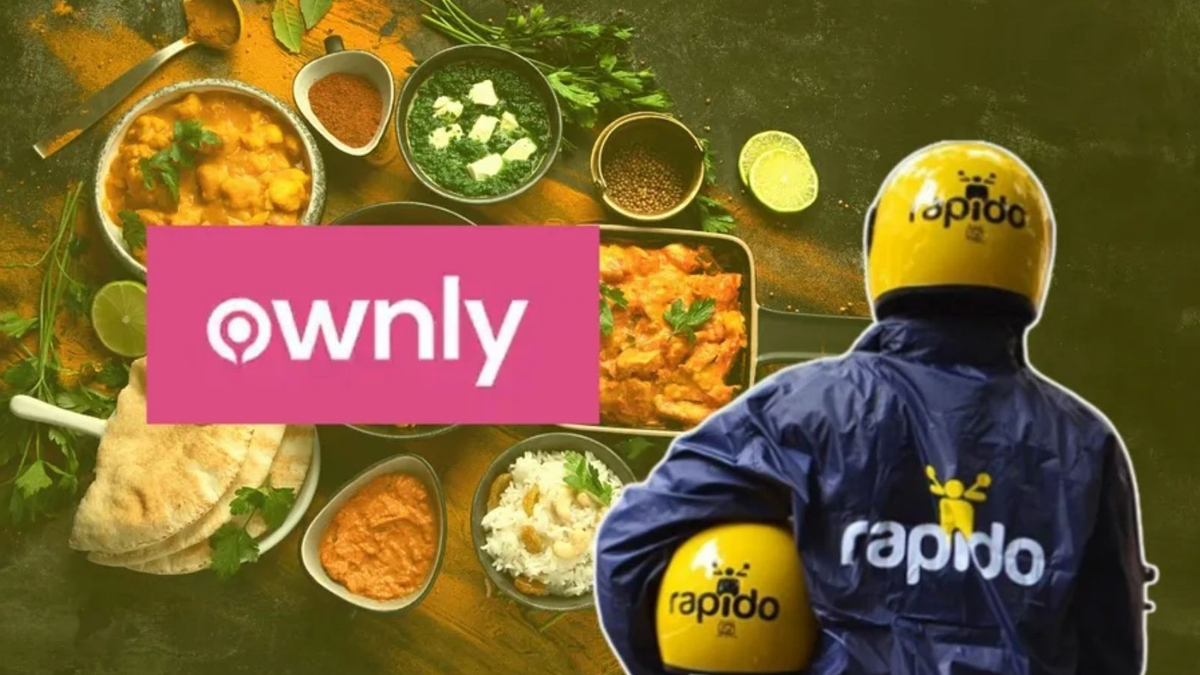
Bengaluru’s food delivery landscape may be entering a period of disruption as ride-hailing company Rapido launches a new platform targeting urban restaurants. The app, branded as Ownly, debuts with a zero-commission structure for restaurants while charging customers a fixed delivery fee, signalling a potential shift in how city eateries interact with aggregators.
The move comes against the backdrop of increasing scrutiny over the high fees levied by traditional food delivery platforms. In many cases, restaurants in major Indian cities report losing between 25 and 35 per cent of each order to commissions, along with additional marketing and packaging costs. Ownly aims to allow eateries to retain full revenue from each order while the platform generates income solely through a flat delivery charge. Urban planners and economists suggest such models could influence not only market competition but also small-scale urban economies where restaurants operate on narrow margins.
The pilot launch in Bengaluru follows months of testing, highlighting Rapido’s strategic approach to expanding beyond ride-hailing. Analysts note that the company’s prior experience with subscription-based, low-commission structures for its bike taxi segment provides a blueprint for scaling Ownly without burdening partner businesses. By offering riders an opportunity to participate in food delivery with predictable earnings, the platform may also contribute to creating flexible employment options within the city’s informal urban workforce. Industry experts point to potential benefits for city sustainability and inclusive economic growth. With smaller restaurants retaining a greater share of earnings, there could be reduced pressure to cut costs through wasteful packaging or mass advertising, indirectly supporting environmentally conscious practices. Additionally, a more equitable revenue model can enable neighbourhood eateries to compete on service quality rather than scale, fostering diversity in urban culinary options.
However, urban economists caution that the model’s success depends heavily on customer adoption and delivery logistics efficiency. Fixed delivery fees may alter consumer behaviour, particularly in price-sensitive areas. Furthermore, scaling beyond Bengaluru will require integration with city infrastructure, traffic management, and real-time logistics systems to maintain timely deliveries without exacerbating congestion or carbon emissions. For now, Ownly is limited to Bengaluru, but the implications for urban business ecosystems and sustainable city growth could be significant. Should the model expand to other metropolitan regions, it may redefine market dynamics in the Indian food delivery sector while illustrating how cities can balance economic opportunity with inclusive, low-carbon urban planning.