Bengaluru Sees Growth In Regional Warehousing Capacity
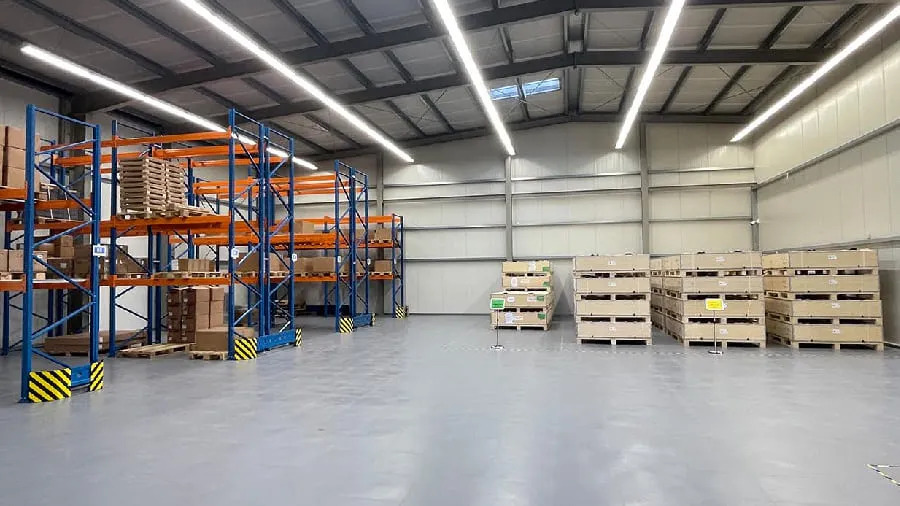
Bengaluru’s warehousing landscape is witnessing significant growth as a leading logistics platform has added over 1.5 lakh square feet of new fulfilment space in Hoskote, located roughly 30 kilometres east of the city. The expansion, comprising two multi-client centres, elevates the platform’s Karnataka presence to 12 facilities, signalling a strategic push to support evolving supply chain needs in South India.
Industry experts note that Hoskote’s emergence as a preferred warehousing micro-market stems from its proximity to National Highway 75, nearby industrial clusters, and access to dense urban consumer bases across Bengaluru. Analysts say the expansion aligns with broader trends in e-commerce growth, omnichannel retail adoption, and rising expectations for same-day or next-day delivery. For urban planners, the development underscores the need to integrate peripheral logistics hubs into regional transport and land-use frameworks, while balancing traffic and environmental considerations. The new facilities, nearly equal in size, enhance operational flexibility and enable better management of inventory for fast-moving goods. By integrating advanced technologies such as predictive analytics, service-level monitoring, and multi-channel orchestration, these centres aim to improve the reliability and responsiveness of distribution networks.
Urban economists point out that such investments contribute not only to supply chain resilience but also generate local employment opportunities, supporting skills development in logistics and warehouse management. Data from market research indicates that India’s warehousing stock surpassed 610 million square feet in 2025, with the top eight Tier I cities including Bengaluru, Mumbai, Delhi-NCR, Pune, Chennai, Hyderabad, Ahmedabad, and Kolkata accounting for over 80 per cent of the total. This concentration reflects both urban population density and industrial clustering, but also highlights pressure on infrastructure in metropolitan outskirts. The growth in Hoskote illustrates how secondary hubs are increasingly absorbing the logistics load, offering better connectivity while mitigating congestion closer to city centres.
Sustainability considerations remain central as the sector expands. Urban development authorities emphasise the adoption of energy-efficient designs, solar-powered operations, and climate-resilient infrastructure to reduce the carbon footprint of sprawling logistics facilities. Integrating green buffers and maintaining stormwater management systems are also increasingly viewed as necessary to minimise environmental disruption in peri-urban areas. Looking ahead, the expansion reinforces Bengaluru’s role as a regional logistics anchor while pointing to the need for careful planning of peripheral urban zones. The integration of technology, strategic location, and infrastructure resilience will be critical to sustaining growth, ensuring cities benefit from modern supply chains without compromising environmental or civic quality.