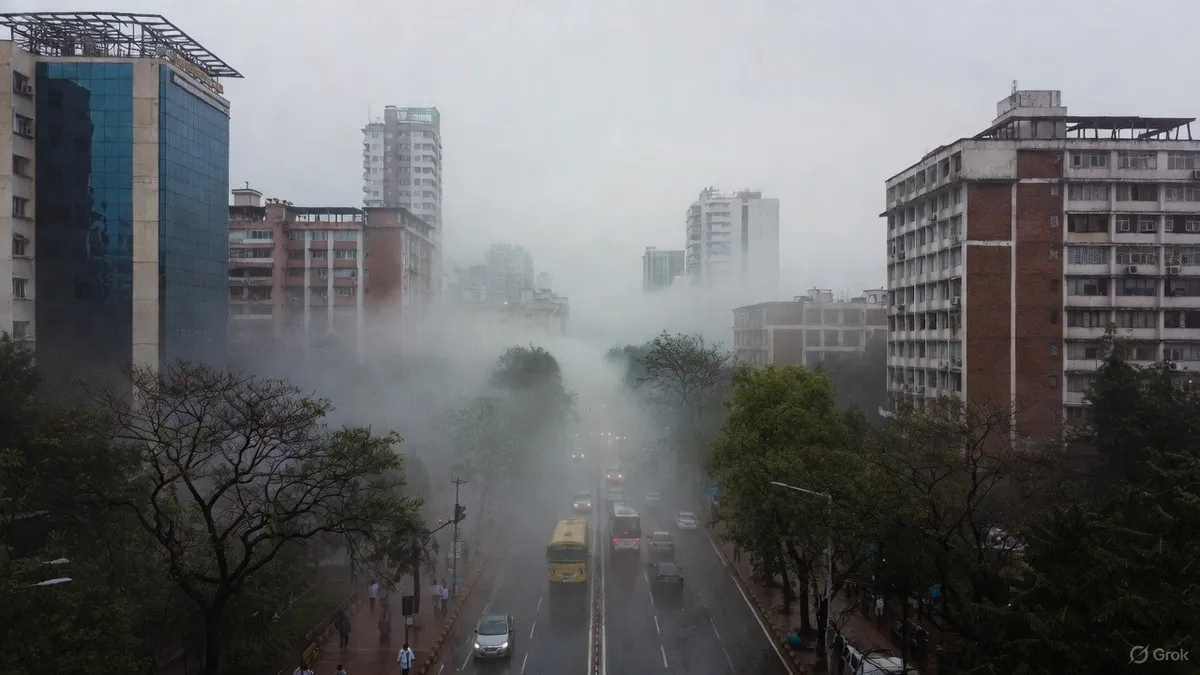
Bengaluru is entering a brief but noticeable phase of cooler winter conditions, with night-time temperatures expected to dip to around 16 degrees Celsius over the coming days. The shift follows a recent cold spell accompanied by intermittent rainfall, underscoring how changing seasonal patterns continue to influence daily life, energy use, and urban comfort levels in India’s technology capital.
Weather observations indicate that while daytime temperatures are likely to remain moderate, clear-to-partly cloudy skies could allow heat to escape more rapidly after sunset. For a city known for relatively stable weather, even marginal temperature drops have tangible effects altering commuting patterns, increasing residential energy demand, and impacting vulnerable populations with limited access to adequate housing insulation. Across south interior Karnataka, including Bengaluru, atmospheric conditions have remained cooler than usual for mid-January. Meteorological data shows that night-time temperatures in parts of the city and its outskirts have hovered between the mid-teens and high teens, while several districts further north have slipped into single-digit lows. Urban climate experts note that Bengaluru’s expanding built environment, combined with changing regional wind patterns, can amplify such fluctuations during winter months.
While no widespread rainfall is forecast for the city in the immediate term, isolated light showers were observed earlier in the week in parts of south interior Karnataka. After this brief window, dry conditions are expected to prevail across much of the state, including coastal and northern regions. Coastal areas, however, continue to record higher minimum temperatures due to maritime influence, highlighting the sharp climatic contrasts within Karnataka. From an urban planning perspective, cooler winter nights bring renewed attention to the city’s housing stock and public infrastructure. Buildings designed primarily for heat mitigation often lack features that retain warmth, affecting thermal comfort for residents, particularly senior citizens, informal workers, and those living in older or poorly insulated homes. Transport planners also track such weather changes closely, as colder mornings can influence peak-hour travel behaviour and public transport usage.
Environmental analysts point out that Bengaluru’s temperature variations, though modest compared to northern cities, are becoming more pronounced over time. This trend reinforces the importance of climate-responsive urban design, including better building materials, increased tree cover, and neighbourhood-scale planning that moderates temperature extremes without increasing carbon emissions.
As Bengaluru moves through the remainder of winter, cooler nights are expected to persist intermittently rather than intensify into prolonged cold waves. For residents, the immediate impact may be limited to lighter daytime warmth and sharper early-morning chills. For policymakers and planners, however, these patterns serve as another data point in understanding how climate variability intersects with rapid urban growth and why resilience planning must account for both heat and cold in the years ahead.