


Bengaluru Sees Alarming 9% Rise in Private Vehicle Registrations Amid Public Transport Shortcomings
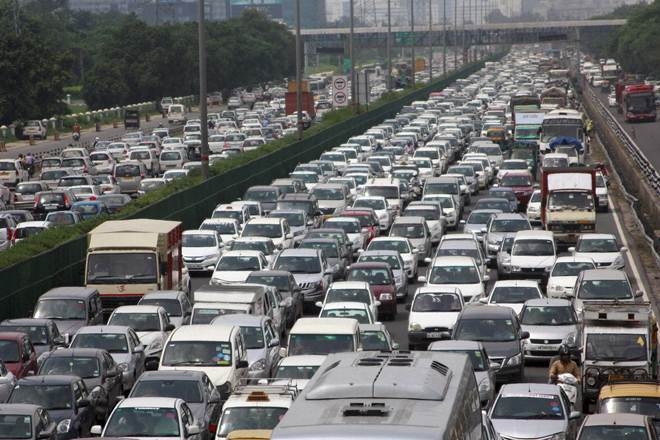
In 2024, Bengaluru, often lauded for its tech-driven growth, experienced an unsettling rise in the number of private vehicles hitting its roads. According to data from the Karnataka Transport Department, the city witnessed a significant 9% increase in private vehicle registrations compared to 2023. Over 6.44 lakh vehicles—ranging from two-wheelers to cars, tractors, and private service vehicles—were registered in the city between January and December 2024. In contrast, only 5.90 lakh vehicles were registered in 2023. This surge includes a notable 13% increase in private two-wheelers, and an overall increase of 12% across both transport and non-transport categories.
Experts attribute this surge primarily to the city’s inadequate public transport infrastructure, coupled with rapid road development projects. Bengaluru, already one of the most congested cities in India, now faces even higher levels of traffic chaos. The city’s public transport system, particularly its buses and suburban rail network, has struggled to meet the demands of a rapidly growing population. The delay in the completion of key projects, such as the suburban rail system and the sluggish progress of the metro network, has led to an overwhelming reliance on private vehicles. With inadequate last-mile connectivity and limited options for seamless commutes, residents are increasingly turning to personal mobility solutions to navigate the city’s sprawling urban landscape.
While the Karnataka government and local authorities have made strides in expanding Bengaluru’s road infrastructure with flyovers, road-widening initiatives, and surface treatments, experts warn that these efforts are not enough to resolve the city’s deepening mobility crisis. Critics argue that the focus on road infrastructure, while important, has been pursued with far greater urgency than the development of a robust, accessible public transport network. “The priority should shift towards improving and expanding the public transport system, especially the suburban rail and metro networks,” says a mobility expert. “While the government pushes forward road projects with impressive speed, public transport projects are continuously delayed, exacerbating the city’s reliance on private vehicles.”
From a sustainable urban planning perspective, Bengaluru’s surging number of private vehicles poses serious environmental and public health risks. The city already grapples with high levels of air pollution, with vehicular emissions contributing significantly to the toxic air that residents breathe. The increase in private vehicles, particularly two-wheelers, has led to a sharp rise in particulate matter and harmful gases in the atmosphere, intensifying the city’s pollution crisis. Experts argue that this trend should be reversed immediately to improve both the health of residents and the overall quality of life. Moreover, the surge in vehicle registrations not only contributes to environmental degradation but also places immense strain on the city’s infrastructure, further exacerbating traffic congestion and the urban heat island effect.
To mitigate the environmental impact and reduce traffic congestion, experts advocate for a more comprehensive approach to urban mobility. Policies restricting the ownership and registration of private vehicles should be considered, along with a concerted effort to fast-track the completion of key public transport projects. A focus on sustainable, eco-friendly transit options, such as electric buses and expanded metro services, could help reduce the city’s dependence on private cars. Until these changes are implemented, however, Bengaluru will continue to face the dual challenge of expanding its infrastructure while trying to curb the negative environmental consequences of unchecked vehicle growth.
