Bengaluru Sees 6,580 Bike Number Plate Violations in 2025 Amid Enforcement Gaps
A concerning surge in number plate violations by two-wheeler riders in Bengaluru is severely undermining the city’s advanced traffic enforcement mechanisms, posing a significant risk to overall road safety and urban accountability. With over 6,580 such violations registered in the first half of this year alone, including missing and defective plates, a growing segment of motorists are exploiting loopholes in surveillance to evade penalties. This trend highlights critical challenges in ensuring equitable enforcement and maintaining a secure environment for all road users in India’s technology capital.
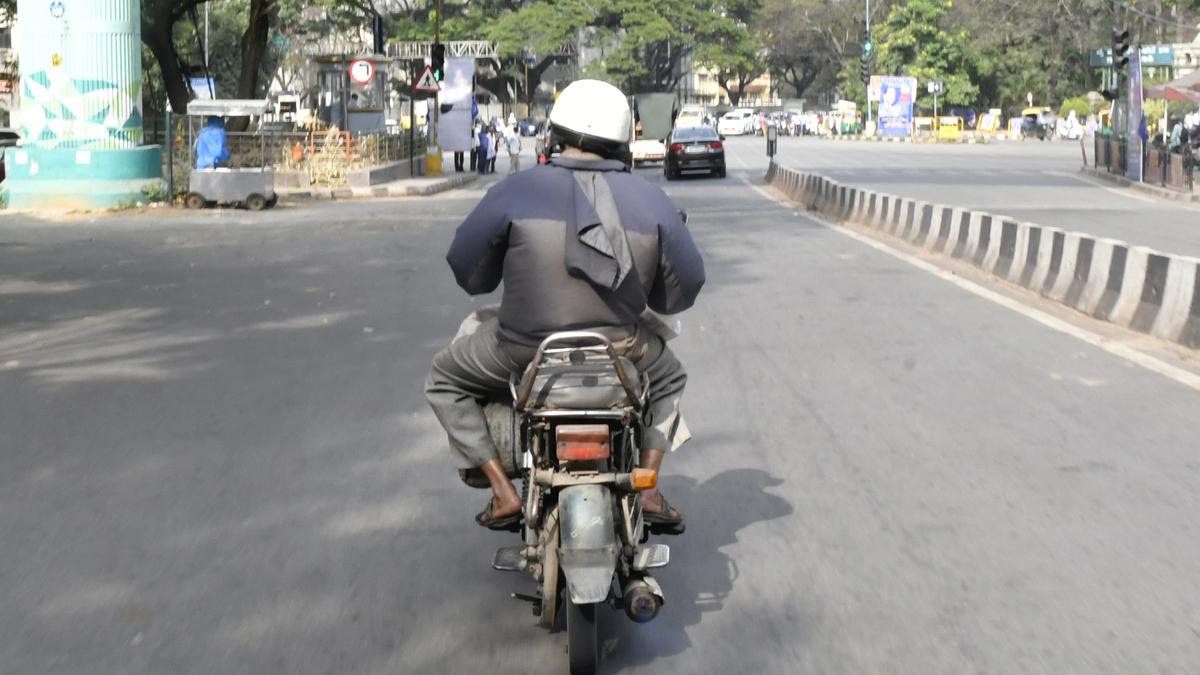
The proliferation of two-wheelers with tampered, hidden, or completely missing number plates presents a substantial impediment to the efficacy of Bengaluru’s increasingly automated, AI-driven surveillance system. While city traffic police data indicates 1,695 cases of missing plates and 4,885 cases of defective plates in the first six months of the current year, these figures may not fully capture the extent of the problem. Law enforcement officials acknowledge that a recent shift in focus towards other offences, such as overcharging by auto and cab drivers post the bike taxi ban, has inadvertently emboldened these violators, as contactless enforcement methods struggle to identify them.
The repercussions of such non-compliance extend far beyond mere traffic infractions. Vehicles operating without proper identification become untraceable in the event of road rage incidents, hit-and-runs, or other serious crimes like theft and robbery. This anonymity severely compromises justice mechanisms and leaves victims without recourse, including valid insurance claims where the offending party cannot be identified. Moreover, the inability of citizens to file complaints due to a lack of identifiable details further erodes public trust and undermines collective efforts towards creating a safer, more gender-neutral, and equitable urban environment where all road users can feel secure.
A peculiar challenge identified by traffic authorities is the prevalence of stylised number plates, particularly those featuring the number ‘8055’, which is creatively designed to resemble the word ‘BOSS’. While seemingly innocuous, such modifications intentionally obscure legal identification, serving as another method to bypass surveillance and accountability. This trend underscores a deeper issue of disrespect for traffic regulations and a perceived impunity among certain sections of motorists, threatening the very fabric of organised urban mobility and the pursuit of zero net carbon through regulated traffic flow.
The legal landscape also presents complexities. Earlier attempts by Bengaluru traffic police to prosecute such violations as ‘cheating’ cases, interpreting them as deliberate avoidance of legal penalties, faced a setback when a High Court ruling determined that driving without a number plate does not constitute cheating. This judicial interpretation has inadvertently limited the scope for stricter action, necessitating a re-evaluation of legal frameworks and enforcement strategies. Moving forward, a multi-pronged approach involving public awareness campaigns, technological advancements in vehicle identification, and a review of legislative provisions will be critical to restore order on city roads and foster a truly accountable and safe urban transport system.