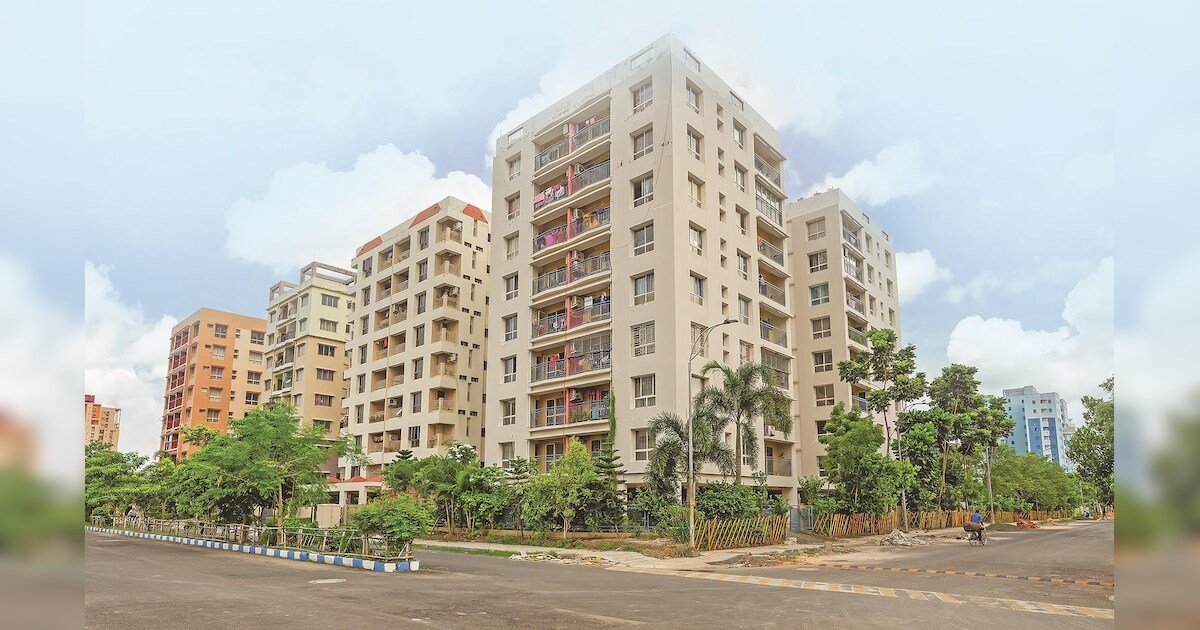
Residential Bengaluru east housing demand is showing renewed momentum after a newly launched project in the Sarjapur corridor recorded strong early bookings within days of opening sales. The rapid uptake highlights sustained appetite for organised housing in the city’s technology-driven eastern suburbs, where expanding infrastructure, employment clusters and evolving urban lifestyles are reshaping residential choices.
Industry sources indicate that the project, located in Sarjapur in eastern Bengaluru, secured bookings for more than 170 apartments shortly after its market debut, with pre-launch transactions valued at over ₹200 crore. Such early traction reflects the growing pull of eastern Bengaluru among homebuyers seeking proximity to the city’s technology parks, educational institutions and healthcare networks.Urban planners note that Bengaluru east housing demand has been strengthening over the past decade as the region absorbs population growth linked to the IT and services economy. Employment hubs around Outer Ring Road, Whitefield and Electronic City continue to draw professionals into adjacent residential catchments such as Sarjapur, Bellandur and HSR Layout.
Real estate analysts say the area’s demand profile is increasingly dominated by end-users rather than speculative investors. Buyers are placing greater emphasis on liveability including open spaces, integrated neighbourhood planning and community infrastructure rather than simply location advantage. The Sarjapur development spans roughly 15 acres and incorporates multiple high-rise residential towers alongside landscaped open areas. Project planners have allocated a large portion of the site to green zones and pedestrian-friendly spaces, an approach that urban designers say aligns with broader efforts to create healthier, climate-resilient neighbourhoods in rapidly densifying Indian cities. A dedicated commercial and retail component is also planned within the project layout, reflecting the growing preference for mixed-use neighbourhoods that reduce commuting distances and support daily needs within walking distance.
Such planning models are increasingly viewed by urban policy experts as essential for managing traffic congestion and lowering transport-related emissions in fast-growing metropolitan regions. Bengaluru remains among India’s most active residential markets by annual housing sales, with demand spread across mid-income and premium segments. Analysts attribute this resilience to the city’s relatively stable job market and its role as a national hub for technology and innovation. However, planners caution that sustaining this momentum will require continued investment in transport infrastructure, water systems and urban services across the eastern corridor. The long-delayed Peripheral Ring Road and improvements to public transit connectivity are frequently cited as crucial projects that could further stabilise residential growth patterns in the area. For now, the rapid sales response in Sarjapur reflects how Bengaluru’s expanding employment economy continues to influence housing geography. As residential demand shifts outward from established neighbourhoods, developers and city authorities alike face the challenge of ensuring that growth translates into inclusive, well-serviced and environmentally responsive urban communities.