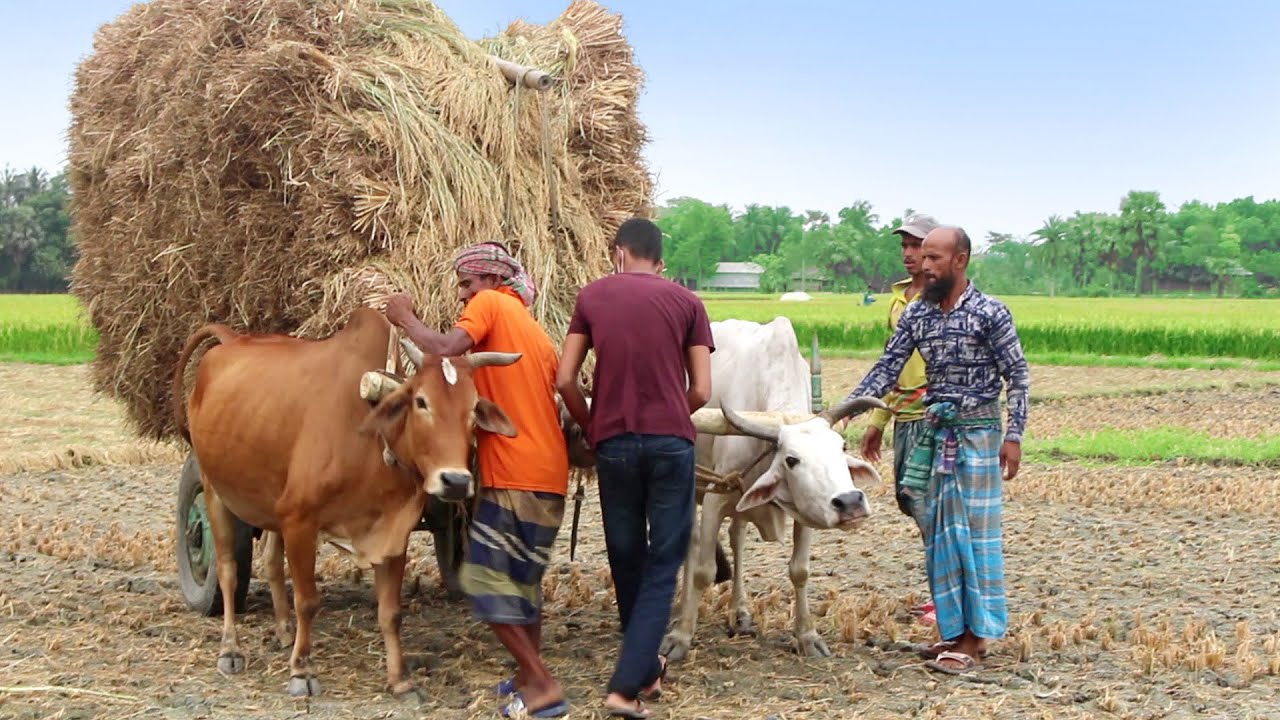
Bengaluru Rural Farmers Secure Green Zone Status
Karnataka has put the brakes on the expansion of the Aerospace Park in Devanahalli, opting instead to preserve a highly productive agricultural belt in Bengaluru Rural district. The decision marks a rare policy response where farmer livelihoods and ecological value have taken precedence over industrial land conversion—signalling a recalibrated development strategy.
According to government documents reviewed by Urban Acres, the Karnataka Industrial Areas Development Board (KIADB) appealed to the state Cabinet after repeated resistance from local cultivators, who asserted decades of dependence on the land for income and food production. The Cabinet ultimately recognised the entire stretch as a Permanent Special Agriculture Zone, ensuring it remains within the “green zone” and insulated from future acquisition plans. A senior official familiar with the deliberations noted that the government “cannot overlook the socio-economic reality of families who rely on these lands, nor the significance of maintaining food-producing zones near urban growth centres.” The acknowledgement signals a shift in evaluating development proposals—not solely through the lens of investment volumes but through sustainable spatial planning.
However, the state has stressed that the aerospace and defence sector remains a strategic priority. Karnataka accounts for an estimated quarter of India’s aircraft and spacecraft manufacturing output and nearly two-thirds of defence aircraft and helicopter production. The active Aerospace and Defence Policy (2022–27) seeks investments worth ₹45,000 crore and up to 60,000 jobs, and the Phase-I Aerospace Park at Devanahalli already hosts large global and domestic manufacturers such as Boeing, Airbus, HAL and Wipro. Industry observers suggest that the halt does not signal a retreat but rather an evolving understanding of land economics around metropolitan regions. An urban policy analyst said the decision “shows that rapid industrialisation cannot depend on indiscriminate land conversion, especially in zones of high agricultural productivity and groundwater value.” Phase-II expansion had been tied directly to the policy’s investment targets, but multiple attempts at land acquisition faced organised community pushback, adding to political pressure.
Bengaluru’s urban footprint has long expanded at the cost of farmland, wetlands and forests. The new decision is being interpreted by environmental planners as an opportunity for the state to rethink cluster-based industrial development—prioritising brownfield sites, logistics corridors and non-cultivable stretches rather than fertile belts. They emphasise that protecting peri-urban agriculture strengthens food security and builds climate resilience as cities grow. For now, the government appears intent on balancing economic growth with social equity. Investment plans have not been discarded but redirected away from the contested stretch. For farmers in Bengaluru Rural, the ruling delivers both livelihood stability and recognition of their contribution to the region’s urban food ecosystem. If sustained, the move could set a template for development decisions that integrate ecology, employment and industrial ambition instead of treating them as opposing interests.
Bengaluru Rural Farmers Secure Green Zone Status