


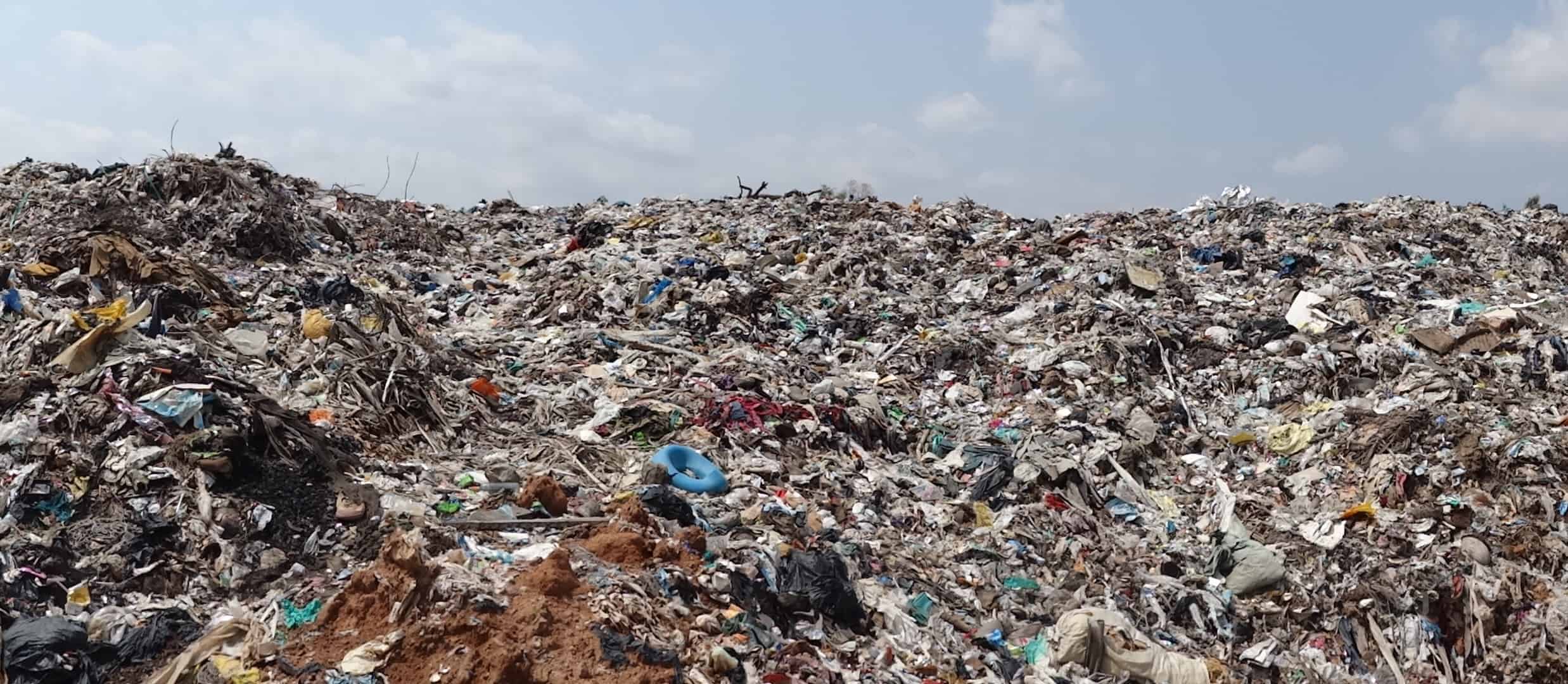
Bengaluru is preparing to overhaul how it manages construction and demolition debris, as the state government clears three new processing facilities and moves towards a citywide policy framework to regulate collection, pricing, and disposal of C&D waste. The shift marks a critical intervention in a city where rapid real estate growth has outpaced waste governance, leading to years of unregulated dumping across public and private spaces.
Urban authorities estimate that Bengaluru generates roughly 6,000 tonnes of construction and demolition waste every day material that includes concrete, bricks, soil, and metal from both large projects and individual home renovations. Yet the city’s existing infrastructure can process less than a third of this volume. With only two operational plants, capacity constraints have pushed debris into stormwater drains, vacant plots, pavements, and peri-urban wetlands, aggravating flooding risks and environmental stress. The approval of three additional processing plants is intended to close this gap. Each facility is designed to handle 750 tonnes per day, lifting Bengaluru’s total processing capacity to about 4,000 tonnes daily once operational. Urban governance officials say the projects will be developed through public-private partnerships, with municipal agencies providing land while private operators manage construction, processing, and recovery of usable materials.
Equally significant is the policy work now underway. Civic administrators are finalising a framework that will define how construction waste is collected, how much generators must pay, and where debris can legally be disposed of. A dedicated committee is expected to standardise pricing norms and compliance mechanisms, bringing clarity for homeowners, small contractors, and large developers alike. Today, the absence of such rules has created a grey market where informal operators dominate, often dumping waste illegally to cut costs. From a market perspective, the reforms could reshape how the real estate and construction sectors price projects. Builders may need to factor formal waste-handling charges into project costs, while individual homeowners undertaking renovations could face clearer but unavoidable fees for lawful disposal. Industry experts argue that predictable pricing, though potentially higher upfront, reduces downstream civic costs linked to flooding, road damage, and environmental remediation.
There are also sustainability implications. Properly managed C&D waste can be recycled into aggregates for non-structural construction, reducing dependence on virgin materials and lowering embodied carbon in urban development. Urban planners note that without parallel enforcement, however, capacity expansion alone may not deter illegal dumping. Monitoring, penalties, and public awareness will be critical to ensure compliance.
As Bengaluru’s built environment continues to densify, the city’s approach to construction waste is becoming a litmus test for responsible urban growth. The coming months will determine whether policy clarity and infrastructure investment can finally turn one of the city’s most persistent civic failures into a functioning, accountable system.
Also Read: Lucknow Sanitation Crisis Forces People To Migrate
