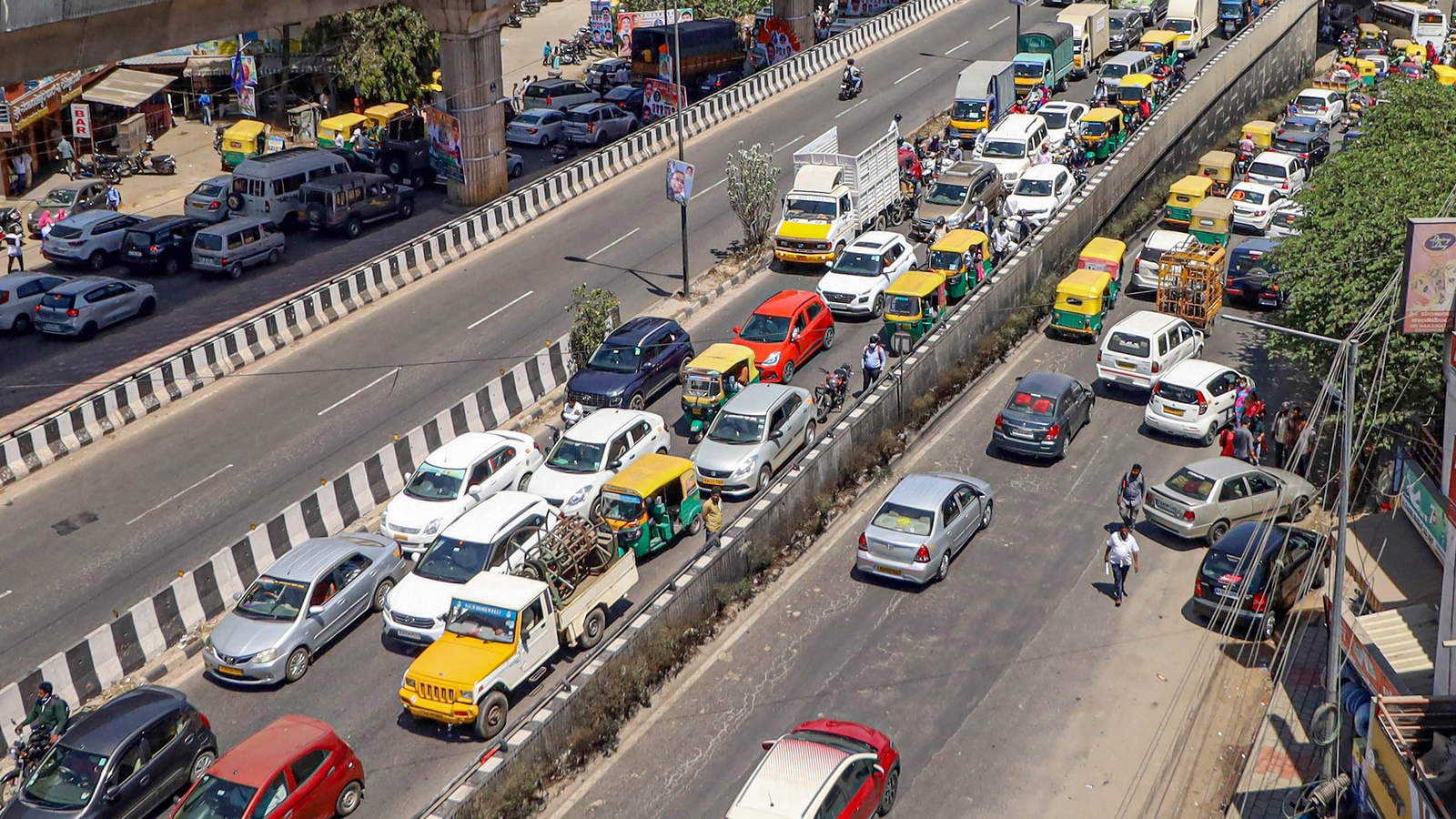
Bengaluru Roads Closed As Infrastructure Works Advance
Commuters across Bengaluru are facing extended travel disruptions as municipal and traffic authorities implement a series of road closures and diversions to accelerate critical infrastructure upgrades. The measures, affecting key thoroughfares in north, central, and western parts of the city, underscore ongoing challenges in balancing urban mobility with the need for durable, climate-resilient road networks.
Among the most significant interventions is the closure of Nagawara Main Road for approximately 30 days. White-topping and surface rehabilitation work has made the corridor, which links Nagawara Junction to Govindapura Junction, fully inaccessible to vehicular traffic. Commuters heading towards central business districts are being rerouted via the Outer Ring Road and adjacent junctions, highlighting the strain on alternative arterial routes during peak hours. Urban mobility experts note that such diversions, while temporary, often reveal the city’s dependence on limited high-capacity corridors and the need for more distributed transport planning.
Similarly, LTP Road between Upparpet Police Station and Shanthala Junction will remain restricted from March 4 to March 15, to facilitate road surfacing upgrades. Authorities have outlined alternative routes connecting residential and commercial zones, emphasising seamless connectivity while prioritising construction safety. Urban planners suggest that projects of this scale, while disruptive, contribute to longer-term benefits such as improved stormwater drainage, enhanced road longevity, and reduced maintenance emissions critical components of sustainable infrastructure in rapidly urbanising cities. Further south, traffic between Mysore Road and Bengaluru University Main Road is temporarily limited due to steel girder replacement on a railway bridge. The closure, effective until March 6, reflects the broader need to integrate transport and rail infrastructure improvements in a way that minimises disruption. City traffic officials are coordinating detours through peripheral junctions and residential streets, balancing access to educational institutions and commercial hubs with public safety.
The ongoing works illustrate a recurring urban challenge: expanding and maintaining infrastructure in a city where vehicle numbers have consistently outpaced road capacity. Analysts emphasise that such interventions, when coupled with strategic public transport investments and climate-resilient construction, can reduce congestion, improve air quality, and strengthen economic connectivity. For residents, these disruptions are a reminder of the interdependence between mobility planning, urban growth, and civic resilience. Authorities are urging commuters to monitor traffic advisories and adopt flexible travel schedules while work progresses. Experts argue that proactive planning, temporary mobility solutions, and integrated urban design are essential to maintain Bengaluru’s growth trajectory without compromising inclusivity or environmental standards.