Bengaluru Road Safety Spotlight After Drunk Driver Crash
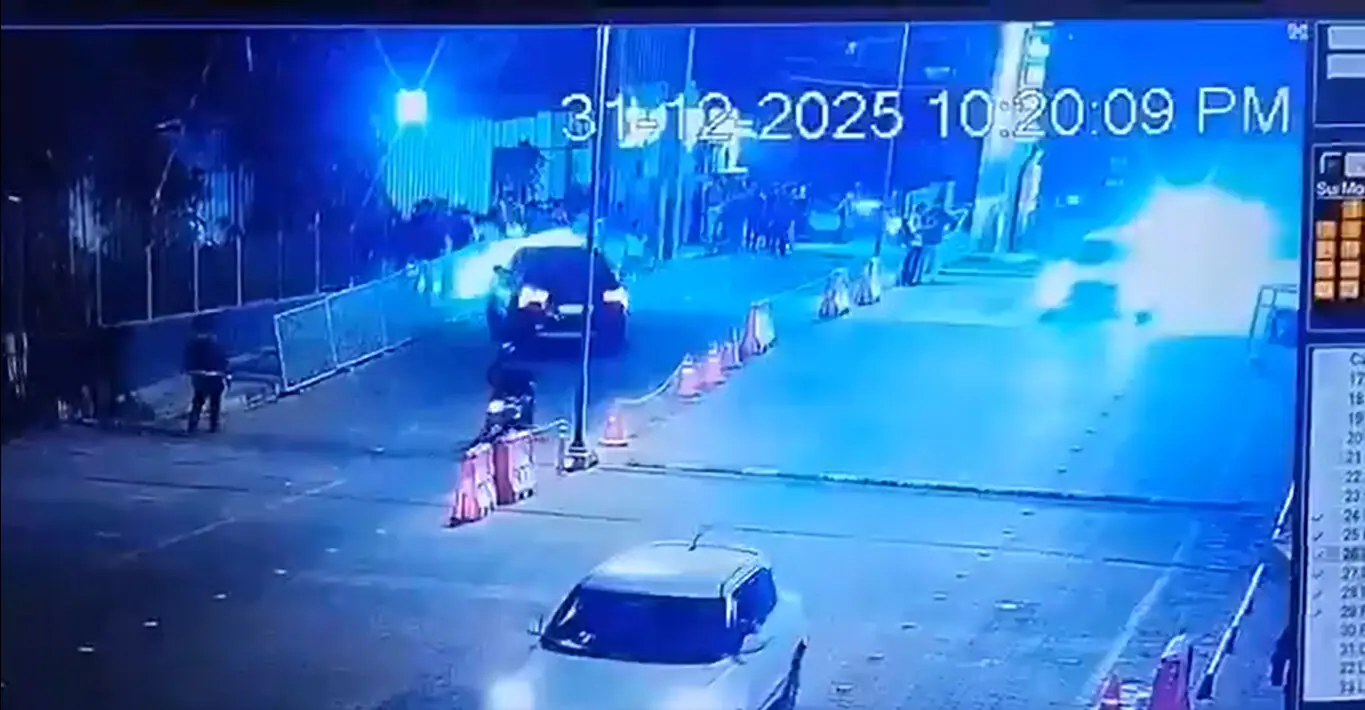
A late‑night road mishap on one of the city’s busiest social arteries has reignited public safety concerns around drunk driving and urban traffic management. Around 11:35 pm Thursday on Indiranagar’s 100 Feet Road, a speeding car driven by an allegedly intoxicated driver leapt a central median and struck the exterior wall of a popular restaurant, narrowly missing a group of pedestrians standing nearby.
While no fatalities were reported, at least two people sustained injuries — including the driver and a motorcyclist caught up in the collision — prompting swift action from local traffic police, who apprehended the driver and seized the vehicle. Urban planners point out that dense mixed‑use corridors like 100 Feet Road, which combine late‑night foot traffic with heavy vehicular flows, face intrinsic risks when impaired driving occurs. “This stretch should be treated as a high‑risk urban safety zone,” said a senior transport planner familiar with Bengaluru’s traffic patterns. “Inclusion of better physical traffic calming and enforcement technologies could dramatically reduce the potential for impact.” Experts highlight that intersections, road median design, and pedestrian spaces need upgrading where nightlife and dining draw crowds close to fast‑moving vehicles.
CCTV footage shared on social platforms underscores how narrowly a group of six people — who had just finished dinner — sidestepped a potentially catastrophic outcome. They were engaged in conversation on the pavement when the out‑of‑control car approached, leapt over the divider, and crashed into the restaurant façade. Traffic police have initiated legal proceedings under Indian penal provisions for rash and negligent driving and provisions addressing drunk driving offences, signalling enforcement agencies’ intent to deter similar behaviour. A traffic police spokesperson said stricter penalties are being sought under the Motor Vehicles Act to underscore the seriousness of operating a vehicle under intoxication.
The incident comes amid broader citywide efforts to modernise Bengaluru’s traffic operations — including digital speed enforcement, random breathalyser checks, and public awareness campaigns on road safety. However, public safety advocates say these measures must be complemented by urban design interventions that physically reduce vehicle speeds near high‑footfall zones and protect vulnerable road users.
For city authorities and planners, this near‑miss serves as a reminder that Bengaluru’s rapid urbanisation and nightlife economy must be balanced with rigorous transport safety infrastructure, adaptive regulation, and community‑wide awareness. Ensuring safer streets isn’t just about policing behaviour after the fact — it’s also about designing environments where the consequences of human error are minimised.