


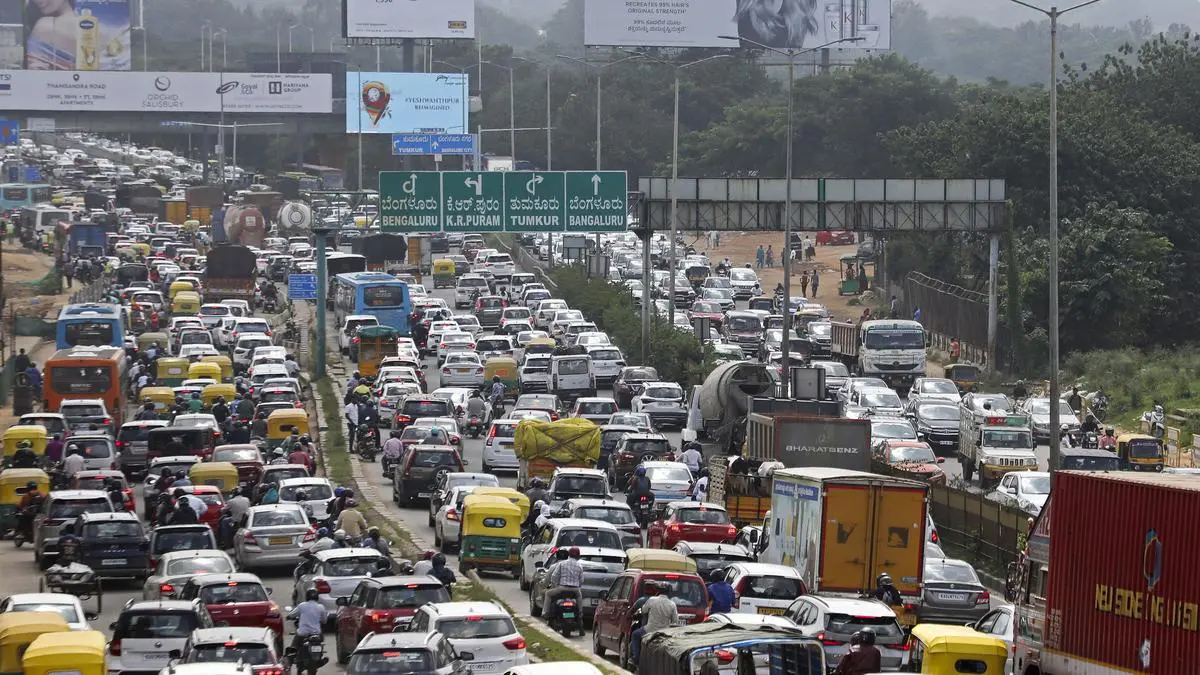
A recent assessment of key intersections in Bengaluru has highlighted critical shortcomings in road design, prompting calls for a comprehensive rethink of urban mobility planning.
The findings suggest that existing infrastructure at several junctions may be contributing to congestion, inefficiencies and safety risks, rather than alleviating them.The Bengaluru road design study focused on high-traffic intersections, where issues such as unclear lane demarcation, inadequate pedestrian infrastructure and poor traffic signal coordination were observed. These gaps can lead to confusion among road users, increasing the likelihood of accidents and delays.Urban mobility experts note that the Bengaluru road design study underscores the need to move beyond piecemeal infrastructure fixes. While incremental changes may address immediate concerns, long-term solutions require a holistic approach that integrates road design with traffic management and user behaviour.From a planning perspective, the Bengaluru road design study reflects broader challenges faced by rapidly growing cities. As traffic volumes increase and mobility patterns evolve, legacy infrastructure often struggles to keep pace, resulting in bottlenecks and inefficiencies.The study also highlights the importance of prioritising non-motorised transport.Pedestrians and cyclists are frequently overlooked in road design, despite forming a significant share of urban commuters. Improving crossings, sidewalks and dedicated lanes can enhance safety and accessibility.The Bengaluru road design study points to the role of data-driven planning in addressing these issues. Analysing traffic flows, peak-hour patterns and accident data can help authorities design intersections that are both efficient and safe.There are economic implications as well.Inefficient road networks can lead to longer travel times, increased fuel consumption and reduced productivity.Addressing design flaws can therefore have positive impacts on both individual commuters and the broader economy.
Environmental considerations are equally important. Stop-and-go traffic caused by poorly designed junctions can increase emissions, contributing to air pollution.Optimising traffic flow can help reduce the environmental footprint of urban transport systems.Governance plays a crucial role in implementing improvements.Coordinated action between multiple agencies is often required to redesign intersections, upgrade infrastructure and enforce traffic rules. Ensuring accountability and clear responsibilities is key to effective execution.The Bengaluru road design study also highlights the need for community engagement. Incorporating feedback from road users can provide valuable insights into real-world challenges and help shape more practical solutions.Experts suggest that adopting global best practices in intersection design, such as roundabouts, signal optimisation and smart traffic systems, can improve outcomes. Tailoring these approaches to local conditions is essential for success.Looking ahead, the findings from the Bengaluru road design study present an opportunity to rethink urban mobility strategies. Moving towards more integrated, inclusive and sustainable transport systems will be critical for managing the city’s growth.
As Bengaluru continues to expand, investing in smarter and safer road infrastructure will be key to enhancing livability and supporting economic activity. The emphasis is increasingly on designing roads that serve all users efficiently, rather than simply accommodating more vehicles.
Also Read:Bengaluru Utility Staff Safety Concern After Incident
