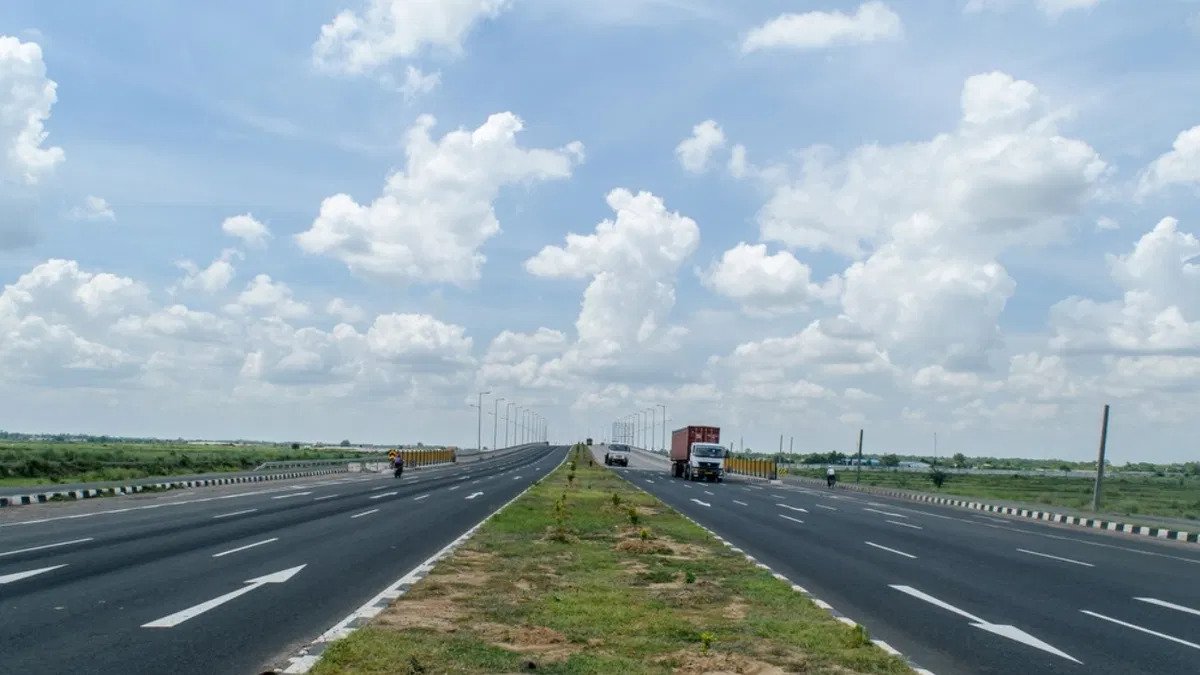
Bengaluru Ring Road Project Aims To Cut Congestion
Bengaluru is moving closer to a transformative urban mobility solution with the launch of the Bengaluru Business Corridor, an 8-lane, access-controlled expressway designed to divert through-traffic from the city’s inner roads. With vehicle ownership approaching one crore, city planners see the corridor as a strategic intervention to improve commute times, reduce congestion, and strengthen connectivity across key industrial and residential hubs.
The corridor, stretching approximately 73 kilometres, will operate as a signal-free, toll-based route with entry and exit restricted to 11 major interchanges. This design intends to separate long-distance and interstate vehicles from local commuters, allowing high-speed travel without traditional intersections. Officials suggest the corridor will integrate with the existing NICE Road network at both ends, completing a circular bypass that could significantly reduce the load on Bengaluru’s peripheral roads.
The planned interchanges, largely expected to adopt cloverleaf designs, are located at strategic nodes: Hosur Road near Electronic City, Sarjapur, Gunjur, Whitefield, Old Madras Road, Hennur Road, Ballari Road, Doddaballapur Road, Hesaraghatta, Madavara (NICE integration), and Madanayakanahalli. These points are positioned to connect industrial clusters, residential areas, and regional highways while maintaining uninterrupted traffic flow on the main expressway. Urban mobility experts note that well-designed interchanges are critical to preventing bottlenecks and ensuring the corridor functions as intended. From an economic standpoint, the corridor is expected to facilitate faster goods movement across the city and its periphery, enhancing operational efficiency for logistics, e-commerce, and manufacturing sectors. Industry analysts also highlight potential real estate impacts, as improved accessibility could increase demand for residential and commercial properties along the route.
Environmental considerations are embedded in the project’s planning. With dedicated cycle tracks and a median prepared for future metro integration, the design anticipates sustainable, multimodal commuting options. Urban planners argue that reducing congestion on central city roads could lower vehicular emissions, contributing to broader climate-resilience goals for Bengaluru. While the corridor promises significant benefits, experts caution that its success will depend on complementary measures such as traffic enforcement, last-mile connectivity, and integration with public transport. Delays in land acquisition or cost overruns could also affect the timeline and public uptake. With an estimated cost of around ₹26,786 crore, the project represents one of Bengaluru’s largest infrastructure investments in recent years, signalling a long-term commitment to reshaping urban mobility.