


Bengaluru Restaurants Struggle As Commercial LPG Shortage Disrupts Kitchens
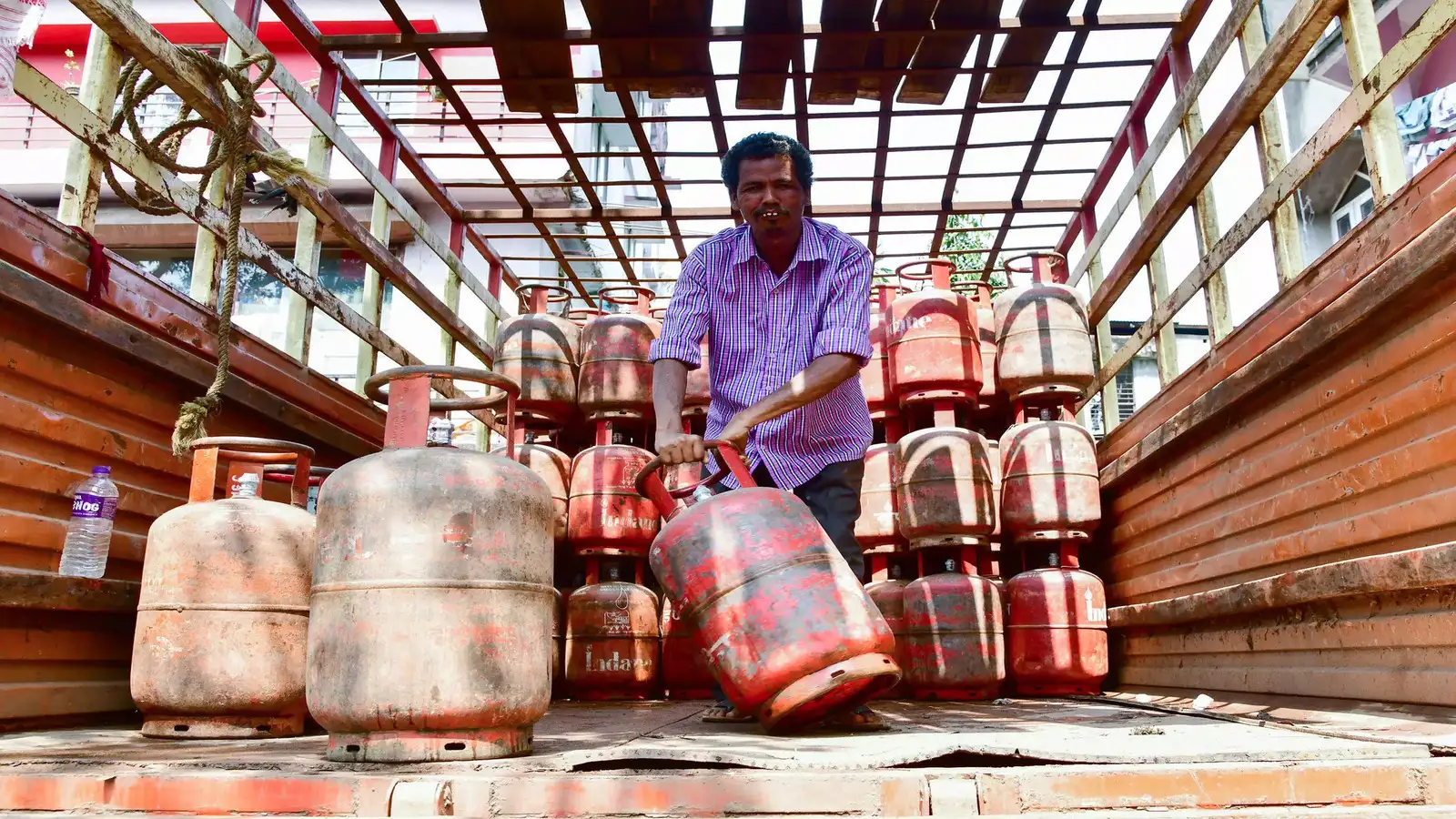
Restaurants across Bengaluru are facing operational challenges following a shortage of commercial cooking fuel, prompting industry representatives to seek intervention from the central government.
Hospitality bodies say the limited availability of cylinders has begun to affect daily operations in eateries, potentially impacting thousands of workers and customers in one of India’s fastest-growing urban dining markets.Industry representatives confirmed that a delegation from the state’s hotel and restaurant sector plans to engage with officials from the Ministry of Petroleum and Natural Gas to discuss concerns around the supply of commercial cooking fuel in Karnataka. Stakeholders say the current allocation does not adequately meet the demand generated by the state’s large hospitality network.According to sector estimates, Karnataka hosts more than one hundred thousand eateries ranging from roadside cafés to full-service restaurants. Nearly one-third of these establishments operate within Bengaluru’s metropolitan limits. With such a high concentration of food service businesses, the availability of commercial LPG supply plays a crucial role in sustaining daily operations.Restaurant operators say the limited distribution of commercial cylinders has forced many establishments to rethink kitchen planning and menu offerings. Some smaller eateries have reportedly scaled back certain dishes that require continuous high-heat cooking, while others are attempting to manage operations by adjusting cooking schedules and fuel consumption.Urban economists note that food service establishments are an integral part of the city’s informal and formal employment ecosystem.
The hospitality sector in Bengaluru supports thousands of cooks, delivery workers, waitstaff, suppliers and small-scale vendors. Prolonged disruption in commercial LPG supply could therefore have ripple effects beyond restaurant kitchens, influencing livelihoods and local supply chains.Industry observers also highlight how global geopolitical developments can indirectly influence domestic fuel availability and pricing. Energy analysts point out that international tensions affecting oil and gas supply chains can influence LPG distribution and logistics in energy-importing countries such as India.Beyond the immediate business concerns, the situation underscores broader challenges facing rapidly growing cities. Urban planners say Bengaluru’s expanding hospitality sector reflects changing lifestyles, rising disposable incomes and the growth of delivery-based food platforms. However, the infrastructure supporting this ecosystem—from fuel distribution to waste management—must evolve simultaneously to remain resilient.Some sustainability experts argue that the current disruption also highlights the need for diversification of energy sources within commercial kitchens. Cleaner alternatives such as electric induction systems, biogas and renewable-powered cooking technologies are increasingly being explored in several global cities as part of broader urban decarbonisation strategies.
For now, industry groups say they are awaiting discussions with national policymakers to explore ways of improving fuel availability and ensuring stable commercial LPG supply for the hospitality sector. The outcome of these talks may determine how quickly restaurants across Bengaluru can restore normal operations while maintaining affordability and employment stability in the city’s dynamic food economy.
Also Read:Bengaluru NICE Link Road Opening Faces Legal Delay
