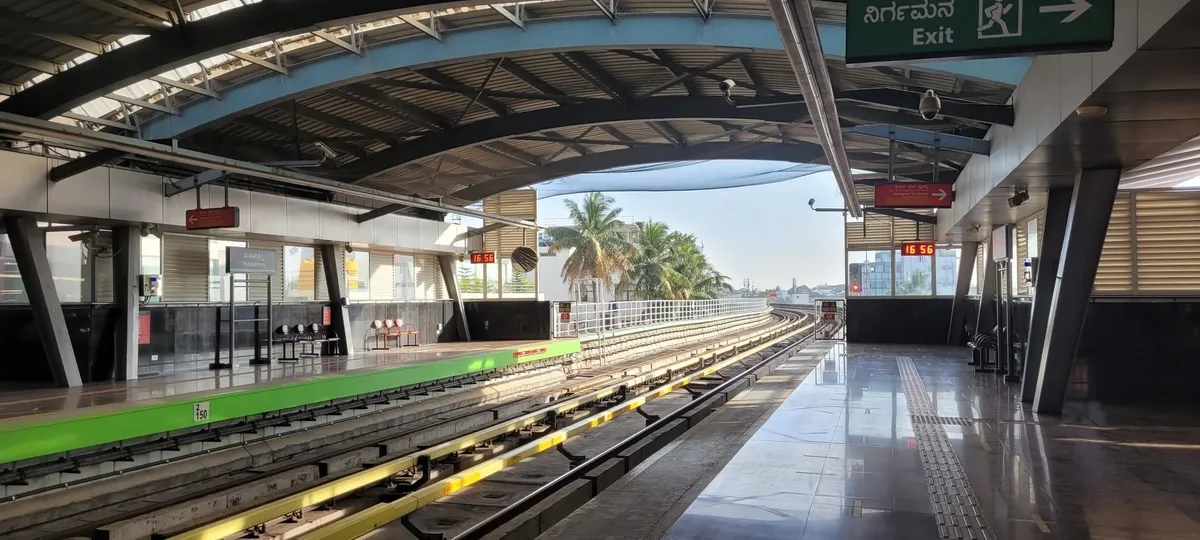
Bengaluru Residents Protest Dropped Metro Station Between Key Suburbs
A decision to omit a proposed metro station between Bagalur and Doddajala on the upcoming Krishnarajapuram–Airport metro line has sparked frustration among residents of Betta Halasuru and surrounding villages. The Karnataka High Court has disposed of a public interest litigation (PIL) challenging the move, while directing metro authorities to duly consider earlier community representations. Although the court declined to interfere with the planning decisions of infrastructure agencies, the issue highlights gaps in equitable access to mass transport and the socio-economic strain placed on peri-urban commuters due to infrastructure shortfalls.
The core concern raised by local residents is the removal of the Betta Halasuru Cross station from the final metro plan despite it being part of the original 2019 Detailed Project Report. The station, which would have served as a vital link for over 20 villages, was allegedly excluded after a private developer withdrew financial support. The abrupt removal leaves an 8.7-kilometre stretch between two metro stations, disproportionately affecting thousands of daily commuters—particularly students, women, the elderly, and informal sector workers—who now lack accessible public transport within walking distance. Residents argue that the dropped station disrupts urban mobility equity, especially in light of land already being acquired for the project and compensation awarded.
The lack of an intermediate stop not only increases transport costs for lower-income families but also forces greater dependence on private vehicles, adding to road congestion and environmental stress. With distances between existing stations exceeding prescribed planning norms of 1 to 3 kilometres, locals see the omission as a breach of inclusive transit planning principles. While the High Court acknowledged that decisions about metro alignments fall under executive discretion and are not subject to judicial review under Article 226, it recognised the legitimacy of the community’s appeal. The court directed the Bangalore Metro Rail Corporation Ltd (BMRCL) to fairly assess the representations already submitted by villagers to civic and state authorities earlier this year.
Legal experts suggest that although the ruling doesn’t compel construction, it leaves open a path for administrative redress based on public feedback and sustainability criteria. The incident underscores a broader challenge facing expanding Indian cities: balancing mega infrastructure development with equitable urban integration. As Bengaluru pursues its vision of a carbon-neutral and future-ready metro system, experts stress the importance of last-mile inclusivity, particularly for semi-urban zones. Ensuring well-placed stops can reduce vehicular emissions, strengthen economic resilience in outer zones, and uphold the principle that green infrastructure must serve all, not just well-connected city cores.