


Bengaluru’s southern growth corridors continue to attract residential development capital as a listed real estate developer has secured a mid-sized land parcel along Sarjapur Road, underscoring sustained confidence in the city’s long-term housing demand despite near-term buyer caution.
The acquisition involves a 4.7-acre site located in one of Bengaluru’s fastest-evolving residential belts, an area shaped by proximity to major technology hubs, emerging social infrastructure and expanding arterial connectivity. Market analysts say the transaction reflects a strategic bet on compact, well-located urban housing rather than large peripheral land banks. Sarjapur Road has emerged over the past decade as a key spillover zone from established IT clusters such as Outer Ring Road, Whitefield and Electronic City. Improved road connectivity, planned metro extensions and the steady addition of schools, healthcare facilities and retail nodes have steadily transformed the corridor from a peripheral suburb into a self-sustaining residential micro-market. Urban planners note that land parcels of this scale are increasingly scarce in inner growth corridors, making targeted acquisitions attractive for developers seeking to balance project size with execution timelines. Mid-density housing projects on smaller plots are also better aligned with current buyer preferences for gated communities that offer security, shared amenities and manageable maintenance costs.
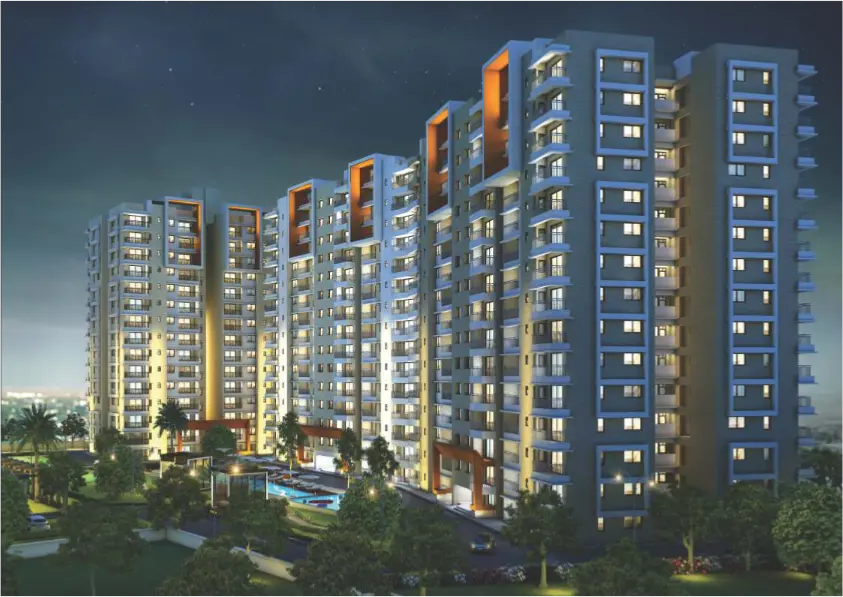
The proposed residential development is expected to add approximately 6.8 lakh square feet of saleable housing stock to the local market. Industry observers say such additions are critical at a time when Bengaluru’s housing supply remains skewed toward premium segments, even as demand from mid- to upper-middle-income households continues to dominate transaction volumes. While Bengaluru’s residential market has seen moderation in buyer sentiment amid employment uncertainty in the technology sector, developers with an established regional presence are continuing to deploy capital selectively. Rather than speculative expansion, current investment patterns suggest a focus on micro-markets with proven absorption, rental demand and infrastructure visibility. Real estate economists point out that Sarjapur Road benefits from a diversified demand base that includes end-users, investors and rental tenants, helping cushion price volatility. The area’s rental market remains among the most active in the city, supported by a large professional workforce and limited ready-to-occupy inventory in nearby employment hubs. From a city-planning perspective, incremental residential development in established corridors reduces pressure on distant peri-urban areas and supports more efficient use of existing infrastructure.
However, experts caution that sustaining liveability will depend on timely upgrades to drainage, public transport integration and last-mile road capacity. As Bengaluru continues to densify rather than sprawl outward, such land transactions signal a measured but confident approach to urban housing supply one that prioritises location efficiency, execution discipline and long-term city resilience over sheer scale.
Also Read: Bengaluru Housing Costs Force Rethink Of Ownership
Bengaluru Residential Supply Expands Along Sarjapur
