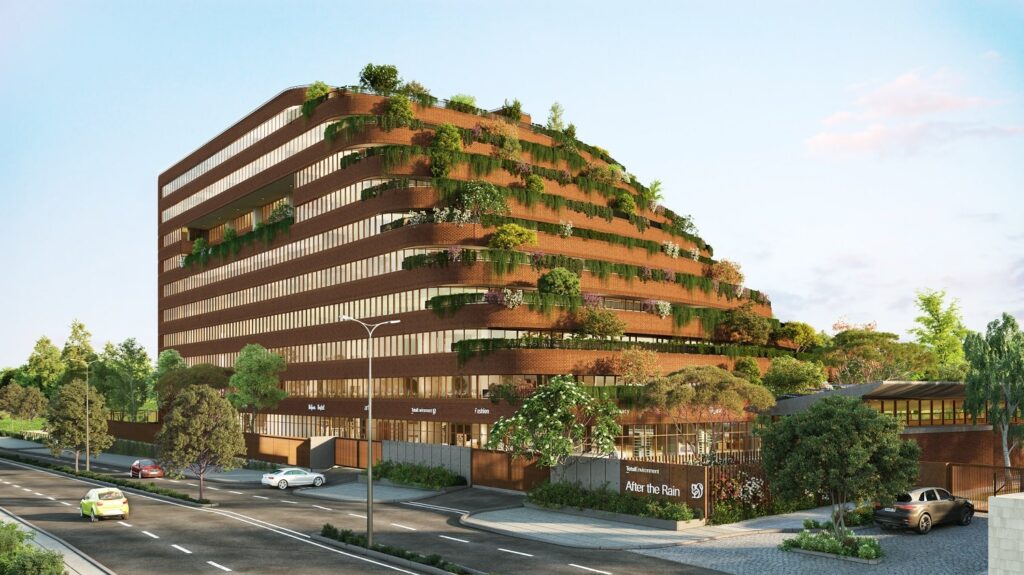
Bengaluru’s residential market is witnessing a subtle but significant shift, as urban homebuyers increasingly prioritise quieter, greener, and more liveable spaces over conventional amenities. Professionals working in the city’s high-paced, digitally driven sectors are now seeking homes that support rest, mental well-being, and long-term functionality, rather than simply offering square footage or investment potential.
Industry experts note that corridors such as Sarjapur Road are emerging as testbeds for this evolving urban demand. Developers are recalibrating layouts to moderate density, retain mature trees, and create landscaped buffers that reduce noise and improve airflow. The goal is to craft environments where residents can experience a sense of spatial relief, natural light, and visual calm within a bustling metropolitan context. Urban planners observe that this trend reflects broader lifestyle and health considerations. Sleep quality, stress management, and access to open, green areas are increasingly influencing purchase decisions. The orientation of buildings, separation between structures, and preservation of natural elements are becoming key design strategies, moving beyond aesthetic considerations to impact long-term comfort and environmental resilience.
Economically, this shift has implications for both developers and investors. Properties that integrate environmental balance with modern amenities are attracting buyers willing to trade ultra-central locations for greater quality of life within well-connected urban corridors. Improved transport links across the city reinforce this willingness, enabling homebuyers to access employment hubs without compromising on space, quiet, or greenery. Sustainable design practices are also gaining traction. Retaining green cover, ensuring adequate ventilation, and aligning building layouts with natural light cycles contribute to lower energy use and improved microclimates. Industry observers suggest that such approaches could define the next generation of urban housing, where livability and ecological sensitivity are inseparable from market value.
Urban authorities and civic planners note that these trends align with broader city priorities, including climate resilience, equitable growth, and inclusive urban design. As Bengaluru continues to expand, the demand for residential spaces that harmonise human needs with environmental responsibility is likely to influence future zoning policies, infrastructure planning, and development regulations. For residents, the evolving definition of home in Bengaluru signals a move toward environments that support long-term well-being and social sustainability. Projects that balance density with open space and quietness may set benchmarks for urban housing in India’s rapidly growing cities.