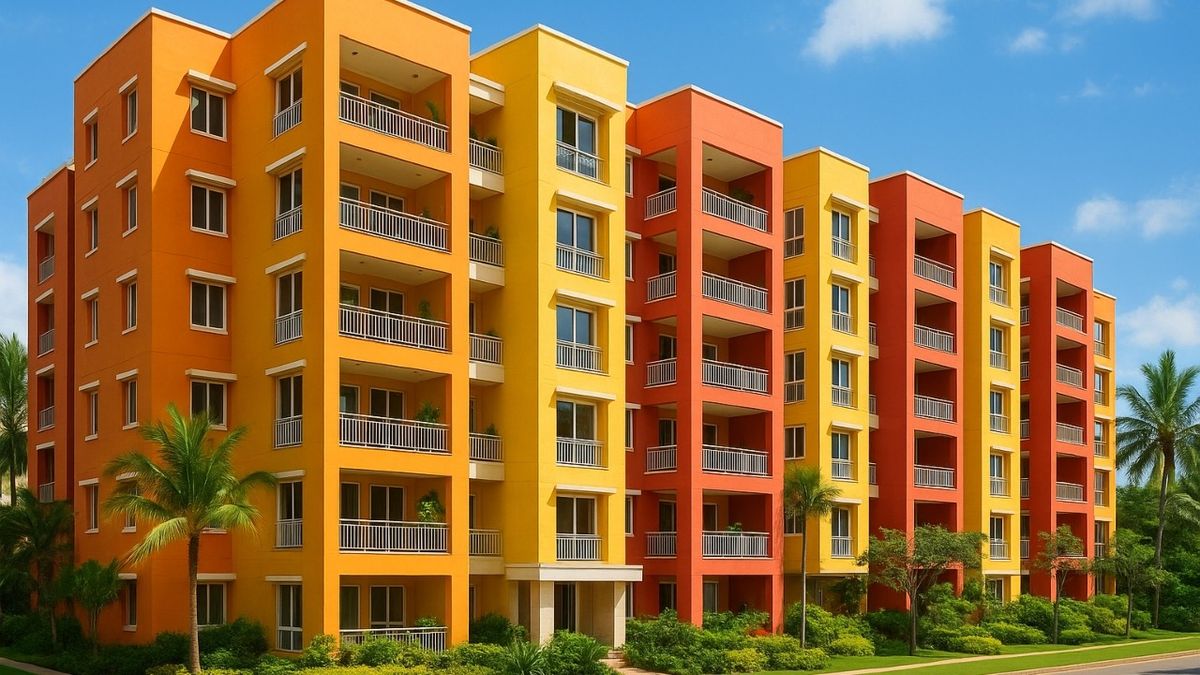
Residential property demand in Bengaluru is intensifying, but affordability challenges are deepening for middle-income households, highlighting a growing socio-economic divide in the city’s real estate landscape. Flats in key IT corridors are selling rapidly, yet many median-salary buyers are increasingly priced out of ownership, forcing them to consider peripheral suburbs or remain in the rental market.
Urban analysts attribute the brisk sales to sustained hiring in technology firms, global capability centres, and startups, which continues to fuel residential projects in established employment clusters. Areas such as Whitefield, Sarjapur Road, and Electronic City remain highly sought after due to proximity to workplaces, schools, hospitals, and retail amenities. Improved infrastructure, including metro connectivity and upgraded road networks, has further enhanced these localities’ appeal, pushing developers to launch premium housing options. However, affordability gaps are widening. High-end projects predominantly attract senior professionals with stable incomes above ₹30 lakh annually, alongside startup founders, corporate executives, and non-resident investors. Many of these buyers leverage ESOP payouts or international comparisons of housing costs to justify investment, often acquiring multiple units for rental income and long-term capital appreciation.
In contrast, middle-income families face constrained options as property price growth outpaces salary increases. Analysts note that parts of the city have witnessed 70–80% property appreciation since 2020, intensifying financial pressure on first-time buyers. For households with average earnings, rising EMIs and upfront costs are leading to delays in homeownership, migration to suburban developments, or extended periods in the rental market. This bifurcation underscores a broader urban challenge: while Bengaluru’s residential market remains robust, the benefits of property-led economic growth are unevenly distributed. Urban planners point out that sustained demand in premium corridors could exacerbate traffic congestion, energy consumption, and environmental pressures if lower-income residents are pushed further from city centres.
Inclusive housing strategies and transit-oriented development could mitigate these disparities, ensuring economic opportunity aligns with sustainable city planning. Industry experts emphasise that the current market is not overvalued but rather reflects structural demand driven by employment growth, migration, and investor interest. While a sharp price correction appears unlikely in the short term, middle-income households may continue facing affordability hurdles, shaping residential choices and urban settlement patterns for years to come. As Bengaluru continues its trajectory as a technology hub, balancing high-end residential growth with inclusive, climate-conscious urban planning will be critical to sustaining a resilient, equitable housing ecosystem.