


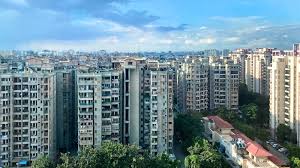
A recent social media discussion has drawn attention to a persistent issue in Bengaluru’s rental housing market: why apartments with identical layouts in the same housing society often command vastly different rents. A tenant’s post on an online forum sparked debate after highlighting a Rs 10,000 gap between two similar two-bedroom homes in a premium North Bengaluru development, raising broader questions about pricing transparency and fairness in the city’s rental ecosystem.
The post resonated widely with tenants who argued that rental values are shaped by far more than apartment size or configuration. Industry observers note that factors such as micro-location within a project, views, natural light, privacy and interior investment can significantly alter perceived value. “Two homes in the same tower can feel entirely different to live in,” said a residential property consultant. “Rent reflects experience, not just square footage.” Residents of large gated communities explained that orientation plays a decisive role. Apartments facing open green spaces, water bodies or city skylines tend to command a premium over those overlooking neighbouring buildings or internal service roads. Even differences of a few metres can affect ventilation, noise levels and daylight, all of which influence tenant demand in a dense urban environment like Bengaluru. Interiors are another key differentiator. Market participants point out that owner-occupied homes with custom kitchens, premium wardrobes and upgraded electrical fittings can involve interior investments running into several tens of lakhs. These homes often attract higher rents compared to investor-owned units fitted with standard fixtures. “Tenants are paying for comfort and longevity, not just possession,” said an interior designer who works closely with landlords in the city.
However, the discussion also exposed growing frustration among renters over what they see as opportunistic pricing. Several tenants cautioned against accepting the first quote offered, urging prospective renters to verify prevailing rates within the same building through resident groups, digital platforms and local brokers. “Information asymmetry still works against tenants,” an urban housing researcher noted. “Better access to comparable data would stabilise expectations on both sides.” Despite these concerns, demand for rental housing in Bengaluru remains robust, particularly in employment hubs close to technology corridors and central business districts. Brokers report that compact homes near key commercial areas continue to see strong absorption, reflecting the city’s evolving work patterns and preference for shorter commutes. At the same time, affordability pressures are pushing many renters towards peripheral locations and standalone buildings, often trading amenities for lower monthly outgoings. Urban planners say this trend underscores the need for more diverse rental housing options, including professionally managed rental stock that offers predictable pricing and improved tenant protections.
As Bengaluru grows vertically and demographically, the debate highlights a larger challenge for Indian cities: balancing market-driven pricing with transparency, inclusivity and liveability. Creating rental housing that is both responsive to demand and fair to occupants will be critical to sustaining Bengaluru’s reputation as a city that attracts talent without pricing out its residents.
Also Read:
