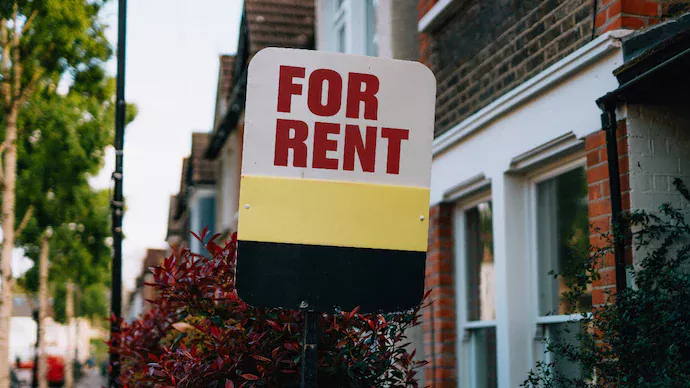
A growing debate around Bengaluru rent hike practices is highlighting mounting pressure on urban tenants, as residents question the prevalence of annual increases amid already elevated living costs. The issue has gained traction following online discussions from tenants in eastern Bengaluru, where housing expenses, utilities, and maintenance charges are steadily pushing affordability limits.
At the centre of the debate is the expectation among some landlords of a fixed yearly escalation often cited around 10%. While such increments are not legally mandated, they are commonly embedded in rental agreements, particularly in neighbourhoods with strong demand driven by proximity to technology corridors and metro connectivity.Urban housing analysts note that the Bengaluru rent hike trend reflects broader supply-demand imbalances. “In high-demand micro-markets, landlords tend to standardise annual increases to hedge against inflation and rising property maintenance costs,” said a housing market consultant. However, this approach may not align with wage growth or employment stability, especially in a city heavily influenced by the performance of the IT sector.
Tenant experiences suggest significant variation. Some renters report moderate increases of 5% or less, while others have successfully negotiated no increase at all during renewals. Industry observers indicate that negotiation remains a key lever, particularly in older properties or where landlords seek to avoid vacancy periods and turnover costs.The issue also intersects with larger questions of urban equity. With rental housing forming a critical component of Bengaluru’s workforce accommodation, steep or rigid increases risk excluding middle-income households from well-connected areas. Urban planners caution that such patterns can deepen spatial inequality, pushing residents further from employment hubs and increasing reliance on long commutes adding to congestion and carbon emissions. From a regulatory standpoint, India’s rental market remains largely governed by private agreements, with limited standardisation across cities. While some states have introduced model tenancy frameworks to promote transparency and fairness, adoption and enforcement remain uneven. Experts suggest that clearer guidelines on reasonable escalation bands could improve predictability for both tenants and landlords.
There is also a growing call for more purpose-built rental housing and institutional participation in the sector. “Formal rental housing can bring stability in pricing and contracts, which is currently missing in informal arrangements,” noted an urban development researcher. Such models could support more inclusive and climate-resilient urban growth by aligning housing supply with public transport and infrastructure planning. As Bengaluru continues to expand, the conversation around rent increases signals a deeper shift in how urban housing is negotiated and governed. Whether through policy reform, market evolution, or tenant awareness, the balance between landlord returns and tenant affordability is likely to remain a defining challenge for the city’s housing future.