


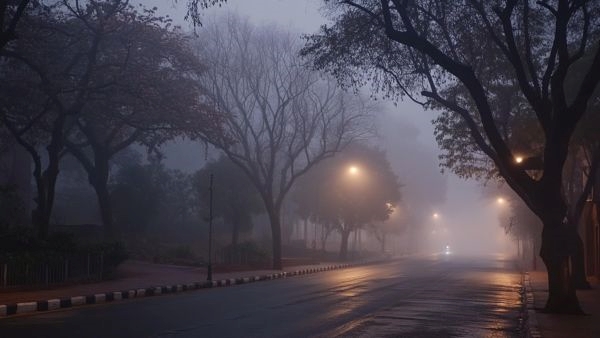
Bengaluru is heading into an unusually cool and damp first week of December, with the India Meteorological Department (IMD) warning of below-normal temperatures and steady rain as the outer bands of Cyclone Ditwah brush past the Tamil Nadu coast. The city’s mild winter has abruptly turned sharper, prompting comparisons with northern hill stations and raising questions about how southern cities are adapting to increasingly unpredictable weather.
According to IMD officials, the city will remain under a blanket of cloud until at least Tuesday, with intermittent moderate showers during the day and misty mornings across several neighbourhoods. Daytime temperatures are expected to hover around 25°C, while early mornings may dip to 18°C — several degrees below Bengaluru’s seasonal average. Humidity levels could climb close to 95%, creating a sharp contrast to the city’s typically dry December conditions.
Meteorologists attribute the shift largely to Ditwah’s expansive wind circulation, which is drawing moist easterly winds deep inland. “This is a classic spillover system. When a cyclone travels along the east coast, cities across the peninsula can experience rapid temperature drops and persistent cloud cover,” an IMD scientist said. Light rain is likely to continue until the system weakens, though severe weather is not forecast for Bengaluru.
While the chill has sparked delight among residents, climatologists argue that such sudden swings underline a broader climate pattern affecting Indian cities. Rising sea surface temperatures, more intense cyclonic activity, and altered wind behaviour are increasingly influencing inland weather, often catching metropolitan areas unprepared. An urban climate researcher noted that Bengaluru’s recent temperature volatility “illustrates the vulnerability of high density cities that rely on outdated assumptions about seasonal predictability.” Urban planners say the latest weather spell also raises practical questions for a rapidly expanding metropolis. Rain-heavy December mornings can disrupt public transport, delay construction activity, and strain stormwater infrastructure that was not designed for prolonged wet spells in winter months. For informal workers and low-income households, fluctuating temperatures can also exacerbate living-condition inequalities, particularly in poorly insulated or densely packed settlements.
Real estate analysts, meanwhile, observe that the city’s evolving micro climate is gradually influencing market preferences. Cooler, wetter stretches tend to highlight the value of well-ventilated homes, permeable landscapes, and neighbourhoods designed around resilient drainage networks features increasingly demanded by buyers conscious of climate-related disruptions. “Weather events like these remind developers that sustainability is no longer a premium add-on; it’s a necessity,” a senior industry expert said. For now, Bengaluru can expect a few more days of hill-station-like weather, with the IMD indicating no immediate warm-up. The episode serves as another reminder that Indian cities must brace for shifting climate patterns, not only through emergency responses but also through long-term planning that promotes walkable neighbourhoods, resilient housing, and equitable access to climate-adaptive infrastructure.
Also Read : Hyderabad To Integrate 27 Municipalities Into GHMC – Urban Acres
Bengaluru Records Unusual December Chill And Rain
