Bengaluru Real Estate Firm Inks Bellandur Metro Naming Pact
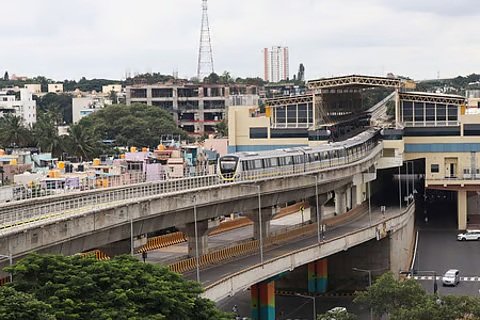
Bengaluru, a major property developer has formalised a long‑term naming rights pact for a key metro station along the Outer Ring Road (ORR) Corridor, marking a notable instance of private capital intersecting with urban transit infrastructure. The agreement grants the developer exclusive co‑branding privileges at the Bellandur Metro Station, underscoring the growing role of corporate partners in expanding civic assets in India’s technology‑led cities. Under the 30‑year arrangement, the developer obtains not only naming rights but also priority access to commercial space and elevated advertising entitlements at one of the city’s busiest commuter hubs. Urban planners say such private‑sector participation can accelerate station upgrades and enhance user experience, provided it aligns with public interest and accessibility goals.
The Bellandur station sits along the Silk Board–KR Puram stretch, a segment of Bengaluru’s expanding metro network that has become central to daily travel for thousands of workers across India’s largest office district. By leveraging corporate funds for station enhancements including interior upgrades and potential pedestrian connectivity to adjacent developments the deal reflects a strategic blend of transit funding and real estate growth. Transport economists note that while naming rights agreements are common internationally, their adoption in Indian cities is still nascent. “When executed with clear standards and oversight, such partnerships can unlock non‑fare revenues for transit agencies,” said one senior transport consultant. “The key is ensuring that public access, wayfinding, and affordability remain unaffected.”
Critics caution that income‑generating ventures tied to transit ecosystems must be monitored to avoid prioritising commercial interests over commuter needs. “Civic assets shouldn’t become monopolised branding spaces,” added an urban equity advocate. “The terms of these arrangements should safeguard user rights and keep station amenities universally accessible.” In this instance, the developer’s commitment includes upgrades that align with global metro standards and recognised green building benchmarks, suggesting an emphasis on sustainability and commuter comfort. However, independent analysts stress the need for transparent performance benchmarks and periodic review to measure whether promised enhancements translate into real improvements on the ground.
The arrangement also holds implications for the future of public‑private collaborations in urban infrastructure across India. With cities wrestling with constrained budgets and rising demand for efficient mobility, infrastructure bodies are exploring alternative revenue streams that balance economic viability with civic purpose. Naming rights, commercial leasing inside stations, and integrated transit‑oriented development are increasingly part of this broader strategy. For daily commuters along the ORR Corridor, such partnerships could bring tangible benefits from better station facilities to improved connectivity. Yet, planners emphasise that successful integration requires careful coordination between transit agencies, city authorities and private partners to ensure that long‑term mobility goals are met. As Bengaluru’s metro network continues to expand, subsequent agreements of this nature will likely be examined for their impact on rider experience, urban form and sustainable growth setting precedents for other Indian cities seeking to finance infrastructure without overburdening public finances.