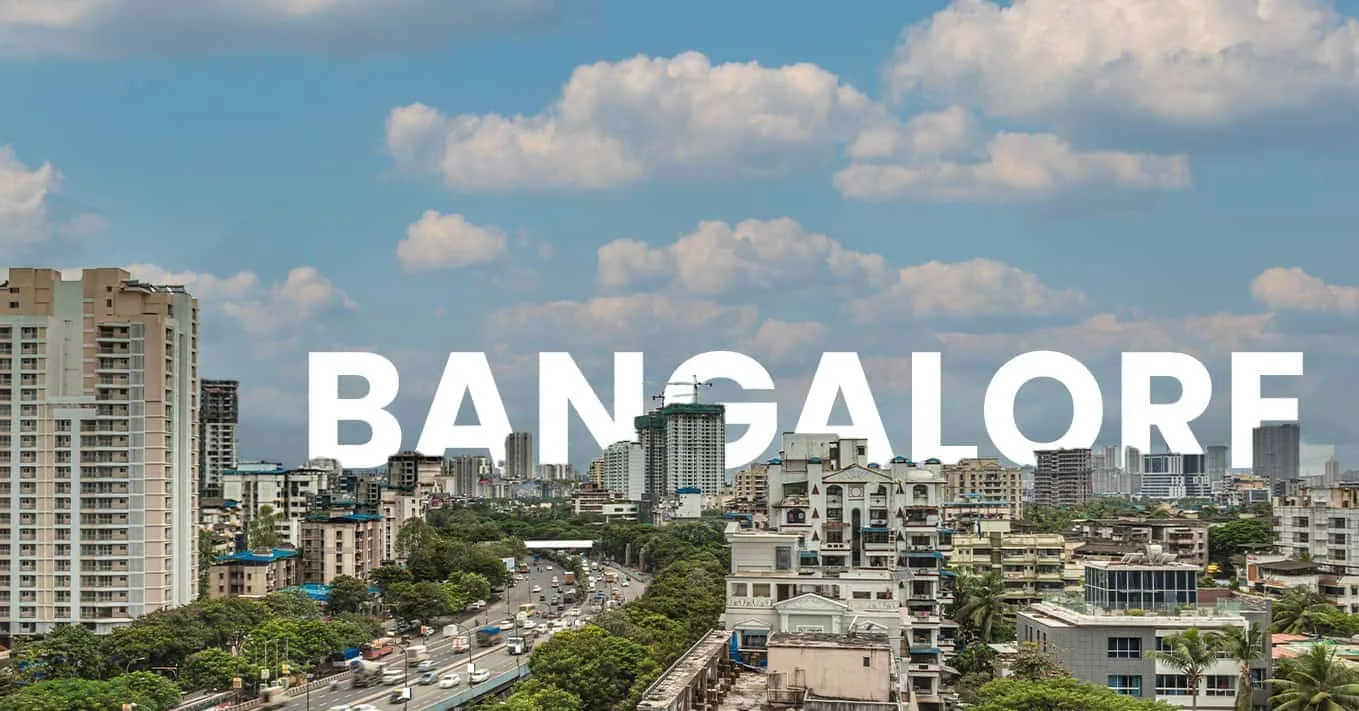
Bengaluru Real Estate Dominates Karnataka Residential Space
Bengaluru continues to assert its dominance as the largest apartment market in Karnataka, underpinning the state’s broader housing boom as employment growth and urban migration drive sustained residential demand. With close to 8.7 lakh homes currently under development across Karnataka, Bengaluru’s residential pipeline alone reflects the city’s central role in shaping housing trends in South India, with ramifications for other urban centres and regional planning priorities.
According to data from the Real Estate Regulatory Authority (RERA), Bengaluru accounts for a substantial share of active residential projects — both in volume and total carpet area — cementing its status as the largest apartment market in the state. The ongoing pipeline, which spans nearly 7,000 lakh square feet of carpet area, reflects a broad mix of segments from mid-income flats to premium developments, signalling that multifamily living remains the backbone of housing delivery in this fast-growing metropolis.Urban planners and housing economists say the city’s residential momentum is tied closely to its economic profile. Bengaluru’s strong concentration of technology, life sciences, start-ups and global capability centres continues to attract talent from across India and overseas. This inflow — coupled with improved connectivity, expanding social infrastructure, and the rise of satellite suburbs — supports robust demand for apartment living, especially among young professionals and nuclear families seeking proximity to employment hubs without compromising on space and liveability.
While the sheer number of homes under construction underscores a deep and sustained appetite for housing, the geographic spread of these projects paints a nuanced picture of urban growth. Suburban corridors such as Sarjapur Road, Whitefield, Devanahalli and North Bengaluru have seen disproportionate activity, driven by relatively affordable land parcels, improved transit connectivity, and the availability of larger project footprints. These trends align with a broader shift toward transit-oriented, inclusive development principles that prioritise accessibility and sustainable land use.However, Bengaluru’s leading position also highlights persistent challenges facing the state’s housing ecosystem. First, the rapid expansion of the apartment market has stretched civic infrastructure, with water supply, wastewater management, and urban transport systems struggling to keep pace with rising demand. Urban planners highlight the importance of integrating housing growth with enhanced public transit, green infrastructure, and equitable service provision to avoid reinforcing spatial inequities.
Second, while Bengaluru absorbs the lion’s share of residential development, smaller Karnataka cities such as Mysuru, Mangaluru and Hubballi–Dharwad are also cultivating more apartment activity — a trend that could diversify statewide housing opportunities if accompanied by targeted infrastructure investment and regulatory support.
For homebuyers and investors alike, Bengaluru’s apartment market remains attractive, buoyed by job growth and long-term urbanisation trends. Yet, as the city moves toward future growth cycles, policymakers face the dual task of sustaining housing supply while ensuring that vibrant demand does not outstrip the availability of essential services or erode social inclusion.