


Bengaluru Rainwater Recharge Plan Gains Momentum, But Experts Say More is Needed
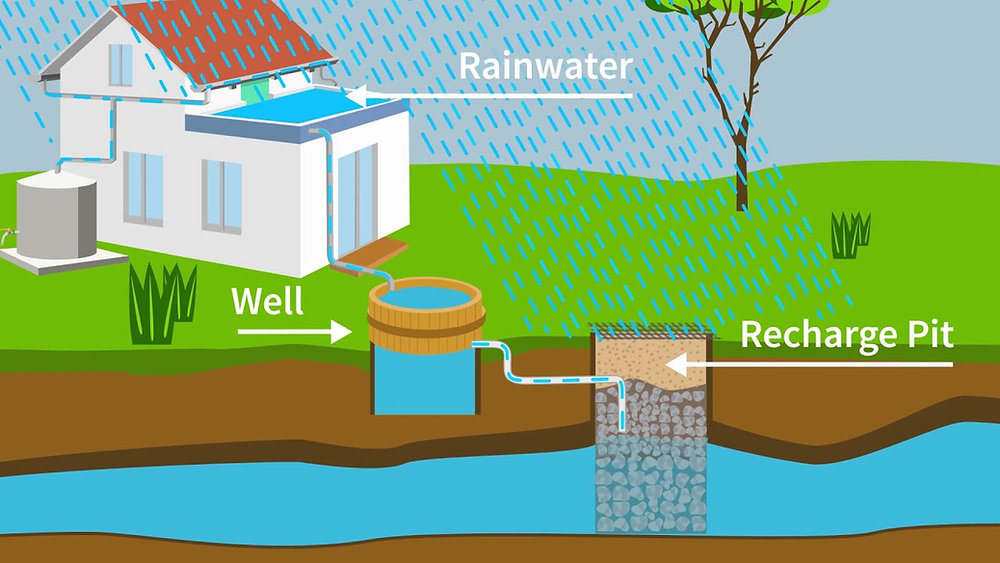
Bengaluru is intensifying efforts to harness rainwater as part of a broader initiative to mitigate its growing water crisis. The Bruhat Bengaluru Mahanagara Palike (BBMP), in collaboration with United Way Bengaluru, has undertaken an ambitious plan to dig 1,500 recharge wells across 306 parks by October 2025, adding to the 4,239 wells already established in the city’s 510 parks. Each well, with an annual rainwater conservation capacity of 1,28,100 litres, is expected to contribute towards the city’s goal of harvesting 543 million litres per year. However, experts argue that while these efforts are commendable, they barely scratch the surface of Bengaluru’s pressing water crisis, with current groundwater extraction surpassing 1,000 million litres daily (MLD).
Despite BBMP’s efforts, Bengaluru’s water demand far outweighs the impact of these initiatives. The city consumes approximately 2,632 MLD, with nearly 40% of this sourced from groundwater. While recharge wells are improving localised groundwater tables, experts highlight that at least 10 lakh wells are required to make a substantial impact. Comparisons with other cities show a stark contrast—Chennai, for instance, has institutionalised large-scale rainwater harvesting mandates, significantly improving its groundwater reserves. In contrast, Bengaluru’s reliance on external sources, including the Cauvery River, continues to strain its long-term sustainability, making groundwater recharge a critical necessity.
From a sustainability perspective, the unchecked concretisation of Bengaluru has aggravated the crisis. The city’s rapid urbanisation, dominated by asphalt and concrete, has drastically reduced rainwater percolation, leading to plummeting groundwater levels. A recent study by the Bangalore Water Supply and Sewerage Board (BWSSB) and the Indian Institute of Science (IISc) warns that groundwater depletion is imminent in 80 wards this summer. Recharge wells, while effective, remain insufficient unless supplemented by large-scale rainwater harvesting in public and private spaces, including stormwater drains, metro corridors, and private establishments. Sustainability experts stress that unless the city moves beyond park-based recharge pits and integrates rainwater conservation into urban planning policies, long-term water security will remain elusive.
Civic leaders and environmentalists have called for an urgent scale-up of rainwater conservation measures. Biome Environmental Trust, which has installed 2.5 lakh recharge wells, advocates for mandating recharge wells in all private and public spaces, including bus stands, railway stations, and commercial complexes. BBMP’s latest move to geo-tag recharge wells and monitor groundwater fluctuations is a step towards accountability, but more aggressive measures are required. As the city faces an intensifying water crisis, experts insist that Bengaluru must adopt a more comprehensive and enforceable groundwater conservation strategy to ensure long-term water resilience.
