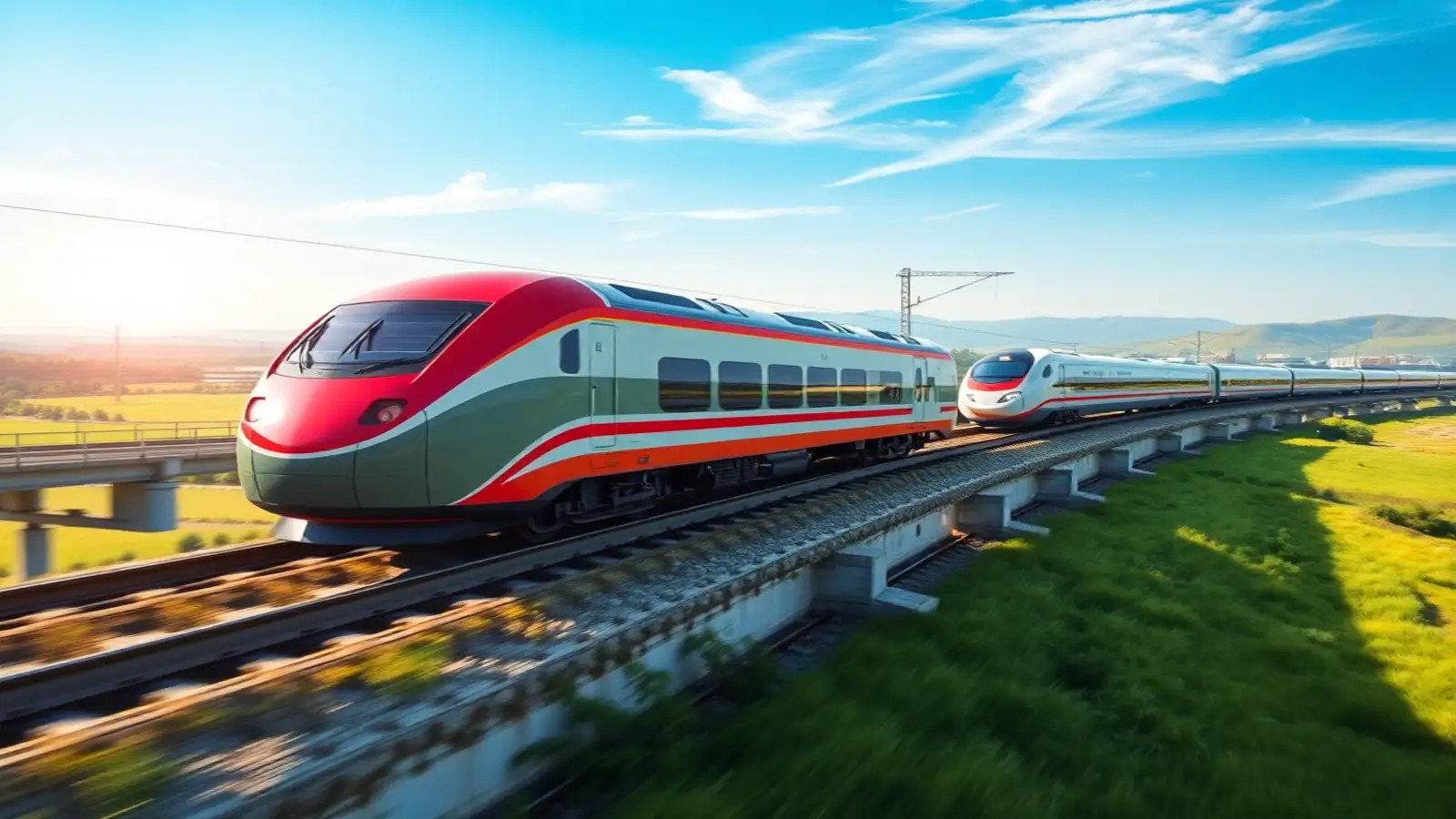
Bengaluru Pune High Speed Rail Faces Delay Concerns
Bengaluru Karnataka’s aspirations for enhanced regional connectivity face a setback as the Union Budget 2026–27 prioritises high-speed rail corridors linking Bengaluru with Hyderabad and Chennai, while bypassing a potentially transformative Bengaluru–Pune route. Urban planners and industry experts warn that the exclusion limits the immediate economic and mobility benefits for Karnataka, a state contributing significantly to national tax revenues and industrial growth.
While the approved corridors promise to improve intercity travel in southern India, officials point out that trains along the designated routes will cover less than 100 kilometres within Karnataka. The decision has raised questions about strategic planning, especially given the state’s growing technology, manufacturing, and aerospace clusters that could benefit from faster access to western India’s financial and industrial centres.
Analysts note that a Bengaluru–Pune high-speed rail line could support the movement of skilled labour, encourage decentralised urban development, and bolster regional economic integration. “Connectivity between major urban centres is not just a transport issue; it drives investment, research collaboration, and equitable urban expansion,” said a senior urban economist. Such infrastructure also has the potential to reduce carbon emissions by diverting passenger traffic from highways and conventional rail to energy-efficient high-speed trains. Beyond mobility, Karnataka had sought federal support for industrial and defence corridors, alongside assistance for irrigation projects critical to sustaining agriculture-dependent communities. Observers highlight that the absence of targeted schemes for farmers, or prioritisation of aerospace and defence initiatives, indicates a mismatch between the Union Budget’s allocations and the state’s economic profile.
Nonetheless, certain elements in the budget echo Karnataka’s urban innovation strategies. Proposals for university townships, regional medical tourism hubs, and biopharma clusters closely mirror the state’s KWIN City model, which integrates higher education, healthcare, and research infrastructure over a 5,000-acre master plan. These initiatives exemplify how state-led sustainable urban development projects can influence national planning, although implementation and funding remain key to realising their full impact. Urban mobility and infrastructure experts emphasise that prioritising corridors like Bengaluru–Pune could accelerate balanced growth, reduce urban congestion in Bengaluru, and strengthen sustainable transport networks between major southern and western cities. As the budget progresses from proposal to execution, close monitoring of high-speed rail planning, industrial corridors, and climate-conscious urban projects will be essential to ensure equitable benefits for Karnataka residents and businesses.