Bengaluru Public Transport Gets Airport Connectivity Boost
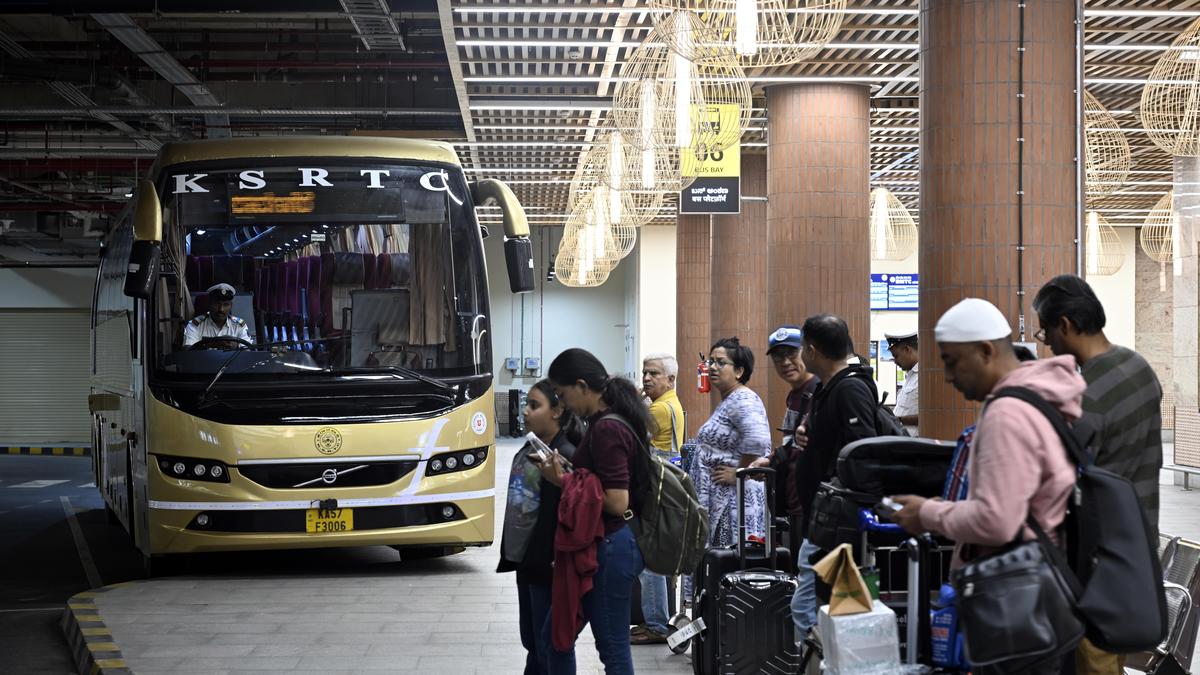
Bengaluru has taken a decisive step towards tighter public transport integration by enabling airport-bound buses to stop directly outside metro stations across the city, significantly reducing last-mile friction for air travellers. The move links the city’s mass rapid transit system with its dedicated airport bus network, reinforcing Bengaluru’s push towards multimodal, people-first mobility as passenger volumes continue to rise.
Under the new arrangement, dedicated airport buses now halt at metro stations located along key corridors connecting the city to Kempegowda International Airport. Transport authorities have also added multiple new bus stops in the immediate vicinity of metro stations to improve pedestrian access and traffic flow. The coordination spans urban rail, road transport and traffic management agencies, marking a rare example of institutional alignment in Bengaluru’s fragmented mobility ecosystem. For commuters, the change addresses one of the most persistent gaps in Bengaluru’s transport network: the disconnect between high-capacity transit and reliable airport access. Until now, metro users often depended on autos, taxis or private vehicles for the final leg to airport buses, undermining cost savings and adding congestion. Direct interchange between metro stations and airport buses is expected to reduce transfer times, improve predictability, and make public transport a viable option for early-morning and late-night flights.
Urban mobility experts say the integration could also deliver measurable environmental benefits. Airport-bound travel is among the city’s most car-dependent trip categories, contributing disproportionately to peak-hour congestion and emissions. Shifting even a fraction of these journeys to public transport can reduce fuel consumption, cut tailpipe emissions, and ease pressure on arterial roads leading to the airport corridor. From an economic perspective, the initiative strengthens Bengaluru’s competitiveness as a business and technology hub. Seamless airport connectivity is increasingly viewed as core urban infrastructure, influencing corporate location decisions, talent mobility, and tourism flows. Improved public transport access also benefits airport workers, many of whom rely on buses and metro services for daily commutes from peripheral areas.
The move aligns with broader transport planning goals focused on integrated ticketing, unified wayfinding and coordinated schedules. While the current rollout concentrates on physical access, planners note that the next phase must address operational synchronisation, real-time information sharing, and universal design to ensure accessibility for elderly passengers, travellers with luggage, and persons with disabilities. As Bengaluru prepares for further metro expansion and continued growth in air traffic, the success of this initiative will depend on consistent enforcement, maintenance of bus bays, and data-driven service planning. If executed well, the metro-to-airport bus link could become a template for future multimodal integration across India’s rapidly growing cities.