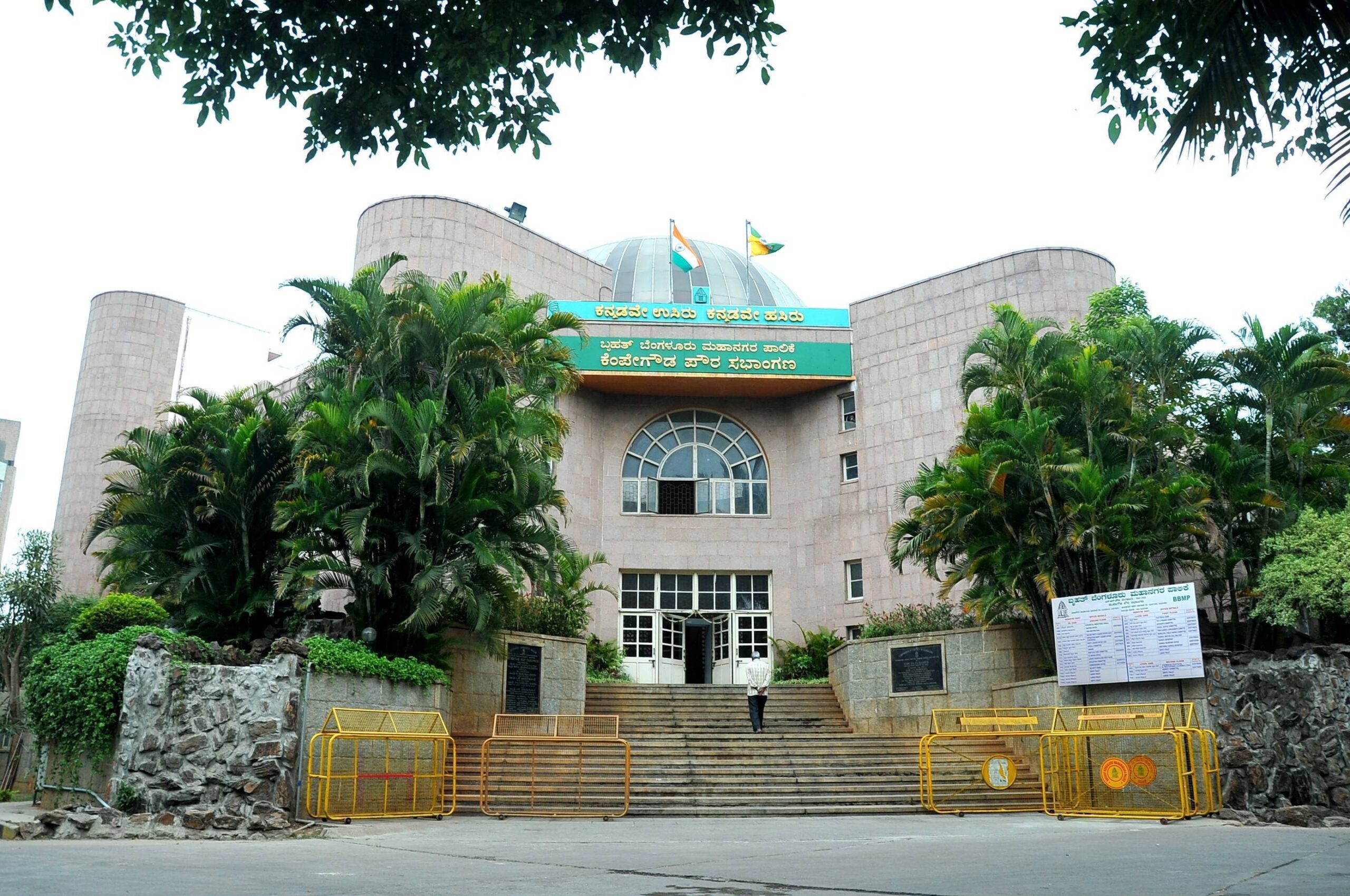
Bengaluru Property Tax Recovery Drive Strengthens Civic Finances
Bengaluru’s civic administration has intensified efforts to recover overdue municipal revenues, collecting more than ₹30 lakh in property tax recovery after initiating auction procedures against defaulting properties in the southern parts of the city.
The move highlights growing pressure on urban authorities to strengthen revenue streams as expanding infrastructure and service demands reshape the financial needs of India’s largest metropolitan centres.
Officials confirmed that several properties with significant tax arrears were identified across neighbourhoods in southern Bengaluru, including established residential and mixed-use districts. The properties were placed under preliminary auction proceedings as part of a broader enforcement strategy aimed at improving compliance and addressing long-pending municipal dues.In multiple cases, property owners cleared outstanding payments shortly after the auction process began. Civic officials said these payments were made through online transfers and designated payment channels, allowing several properties to be removed from the enforcement list. However, a number of properties with substantial arrears remain under review and may face renewed auction attempts if dues are not settled in the coming weeks.Urban finance specialists note that municipal bodies across India increasingly rely on property tax recovery mechanisms to stabilise city finances. Property tax is one of the most predictable sources of revenue for urban governments, funding essential services such as water supply, road maintenance, waste management, and public infrastructure upgrades.
Yet collection efficiency has historically remained uneven in many rapidly growing cities. Experts say administrative gaps, outdated property databases, and limited enforcement capacity have allowed large arrears to accumulate over time. Bengaluru, one of India’s fastest-expanding technology and innovation hubs, has seen property development accelerate over the past decade, placing additional strain on civic service delivery.Officials involved in the enforcement drive indicated that thousands of properties across the city currently have outstanding tax liabilities amounting to hundreds of crores of rupees. Much of the unpaid tax is linked to commercial buildings and high-value properties that have reportedly avoided or delayed payments for several years.To strengthen compliance, municipal authorities are exploring additional measures beyond auctions. These include coordination with public utility agencies to restrict services at properties with persistent tax defaults. Urban governance experts say such steps can significantly improve compliance while reducing the need for lengthy legal recovery processes.At the same time, policymakers are considering structural reforms aimed at making tax payments more manageable for property owners. Financial experts advising local governments have suggested instalment-based payment models that would allow taxpayers to settle dues in smaller monthly amounts instead of lump-sum payments.Urban planners argue that strengthening municipal finances through improved property tax recovery is essential for building resilient cities. Reliable revenue enables long-term investments in sustainable transport, green infrastructure, climate-resilient drainage systems, and equitable neighbourhood services.
As Bengaluru continues to expand outward and densify within its core zones, civic authorities face mounting expectations to maintain infrastructure quality while ensuring financial stability. Improving tax compliance, officials say, will remain central to sustaining the city’s urban development ambitions in the years ahead.
Bengaluru property tax recovery drive brings ₹30 lakh