Nagpur Civic Whatsapp Complaints System Boosts Citizen Access
Bengaluru has significantly widened its fiscal base by digitally mapping over 2.5 million properties across its municipal jurisdictions, a move that is expected to transform how the city assesses and collects property taxes while improving transparency in urban governance.
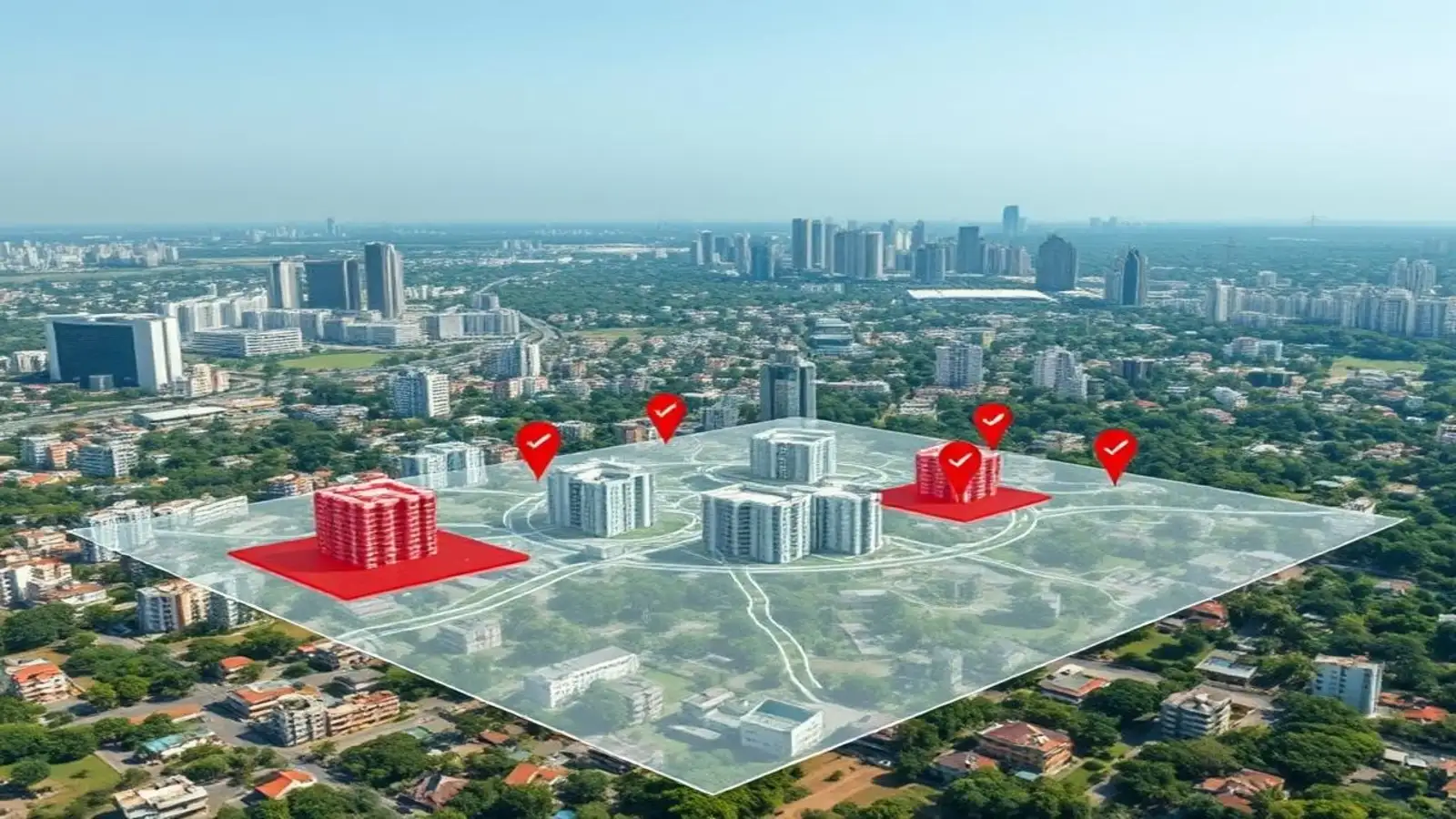
The large-scale Bengaluru property digitisation initiative, undertaken across five city corporations, reflects a shift toward data-driven administration in one of India’s fastest-growing metropolitan regions. Officials indicate that the exercise, which gathered pace over the past two years, is aimed at identifying unassessed properties and ensuring that expanding built-up areas contribute proportionately to civic finances. Among the five administrative zones, the western and northern regions account for the highest number of digitised properties, while the central zone remains comparatively smaller in coverage. This uneven distribution mirrors the city’s outward expansion, with peripheral areas witnessing rapid residential and mixed-use development. Urban planners note that such growth, if left untracked, can strain infrastructure without corresponding revenue support.
The push for Bengaluru property digitisation comes at a time when local bodies are under pressure to reduce dependence on state transfers. Financial assessments suggest that several lakh properties remain outside the formal tax net, representing a substantial untapped revenue pool. By integrating these into the system, city authorities could unlock hundreds of crores annually funds that are critical for maintaining roads, drainage, public transport, and climate-resilient infrastructure. Experts point out that digitisation alone is not sufficient unless backed by robust verification mechanisms. In rapidly densifying neighbourhoods, unauthorised constructions, vertical expansions, and land-use changes often go unreported. Technology such as aerial surveys and geospatial mapping is increasingly being considered to detect such discrepancies and improve accuracy in property classification. Civic analysts also highlight persistent challenges in self-assessment models, where under-reporting of built-up area or usage type leads to revenue leakage. Strengthening compliance through digital audits and minimising discretionary intervention could improve trust and efficiency in the system.
A more transparent framework is seen as essential not only for revenue growth but also for equitable taxation across income groups. For residents, the implications are twofold. While more properties entering the tax net may increase individual liabilities, it also raises expectations of better service delivery. Reliable tax collection can enable investments in sustainable urban systems, including waste management, water resilience, and low-carbon mobility areas where Bengaluru continues to face systemic gaps. As the city continues to expand, Bengaluru property digitisation is likely to become a cornerstone of its governance model. The next phase will depend on how effectively authorities translate digital records into actionable policy, ensuring that growth is both inclusive and financially sustainable.