


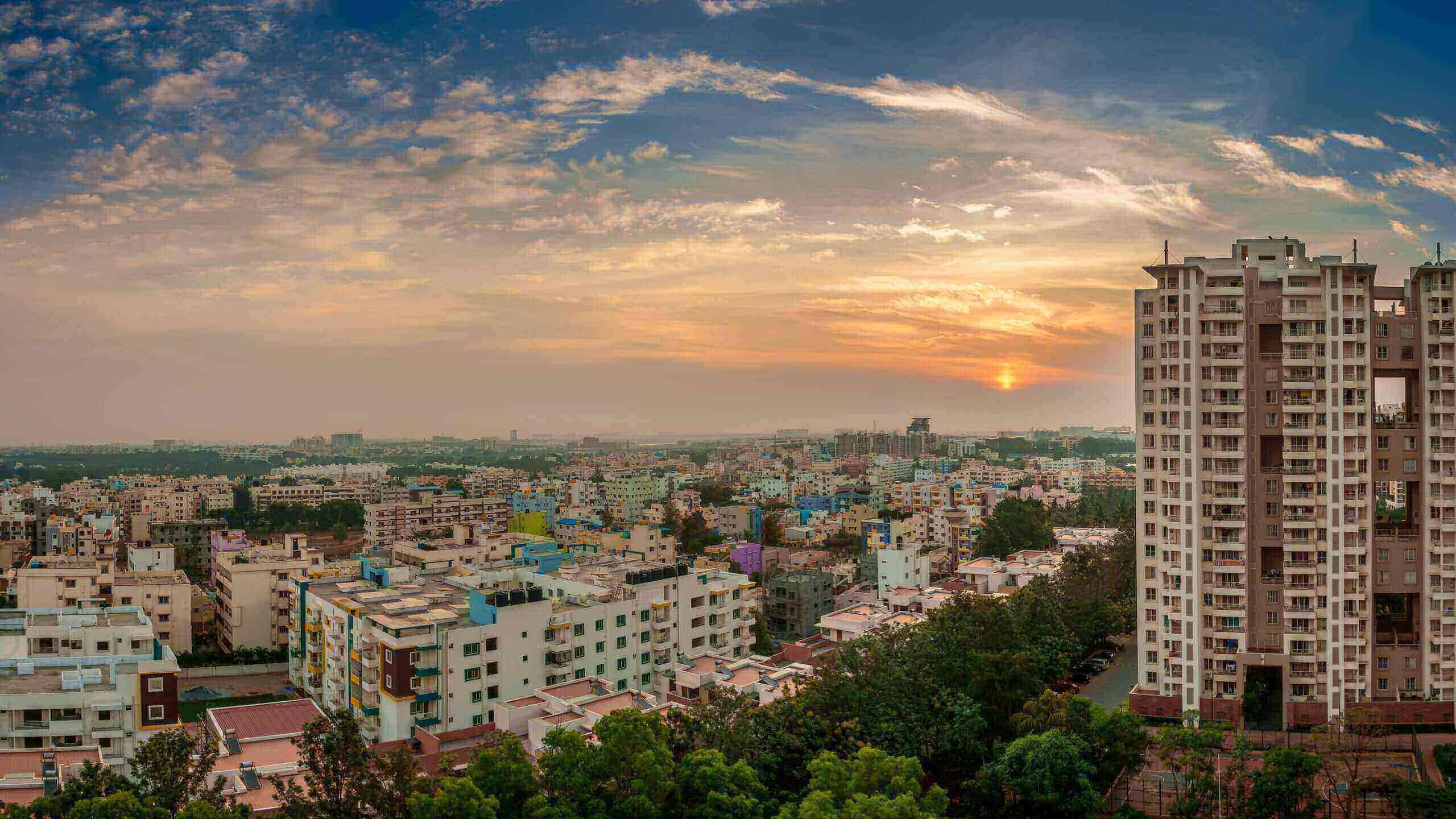
As air pollution begins to influence housing decisions in Delhi NCR, a parallel shift is quietly unfolding in Bengaluru, where prospective homebuyers are reassessing long-term liveability alongside affordability. A recent online discussion questioning whether relocating to Bengaluru still makes sense highlights growing anxiety around air quality, water security and the rising cost of urban living, signalling a broader rethink of how Indian cities are evaluated as places to settle.
While Bengaluru continues to fare better than northern metros on air quality metrics, urban planners note that buyers are no longer making decisions purely on employment prospects or capital appreciation. Instead, they are increasingly factoring in environmental resilience, access to basic resources and quality of life over the next two decades. This marks a subtle but significant change in buyer behaviour in India’s technology capital.Official pollution data underscores the contrast shaping the debate. Delhi has repeatedly recorded air quality levels in the very poor to severe range this winter, while Bengaluru’s readings have remained within the moderate category. However, environmental experts caution that current conditions offer limited reassurance. “Air quality is only one part of the sustainability equation,” an environmental analyst said. “Water availability, urban density and infrastructure stress are equally critical to long-term habitability.” Water security has emerged as a particular concern for Bengaluru buyers. The city depends heavily on river-based supply supplemented by groundwater extraction and private tankers, a system under growing strain from rapid urbanisation. Industry observers note that high-end residential developments are not immune to shortages, forcing even premium homeowners to rely on tanker water during dry months. “When buyers are paying top prices, expectations around reliable basic services are naturally higher,” a real estate consultant said.
Rising living costs have added another layer of hesitation. Property prices, daily commuting expenses and private infrastructure costs are prompting comparisons with other cities. Several urban economists suggest that this is fuelling interest in tier-two cities that offer lower density, better environmental conditions and improving connectivity to major employment hubs. Such shifts, they say, could help rebalance India’s urban growth if supported by policy and infrastructure investment. Developers and sustainability professionals acknowledge that while green features are increasingly marketed, buyers are becoming more discerning. “There is a growing demand to understand outcomes, not labels,” said a sustainability advisor. “People want to know whether energy use is actually lower, whether water is being reused effectively, and whether neighbourhood air quality improves over time.”
The evolving conversation reflects a broader urban transition underway in India. As climate pressures intensify, cities like Bengaluru are being judged not just on opportunity but on their ability to offer equitable, resilient and healthy living environments. For policymakers and planners, the message is clear: future urban growth will depend as much on environmental governance and inclusive infrastructure as on economic momentum.
Also Read: India Redditors Question Home Loans Versus Retirement Corpus In Metro Cities
