


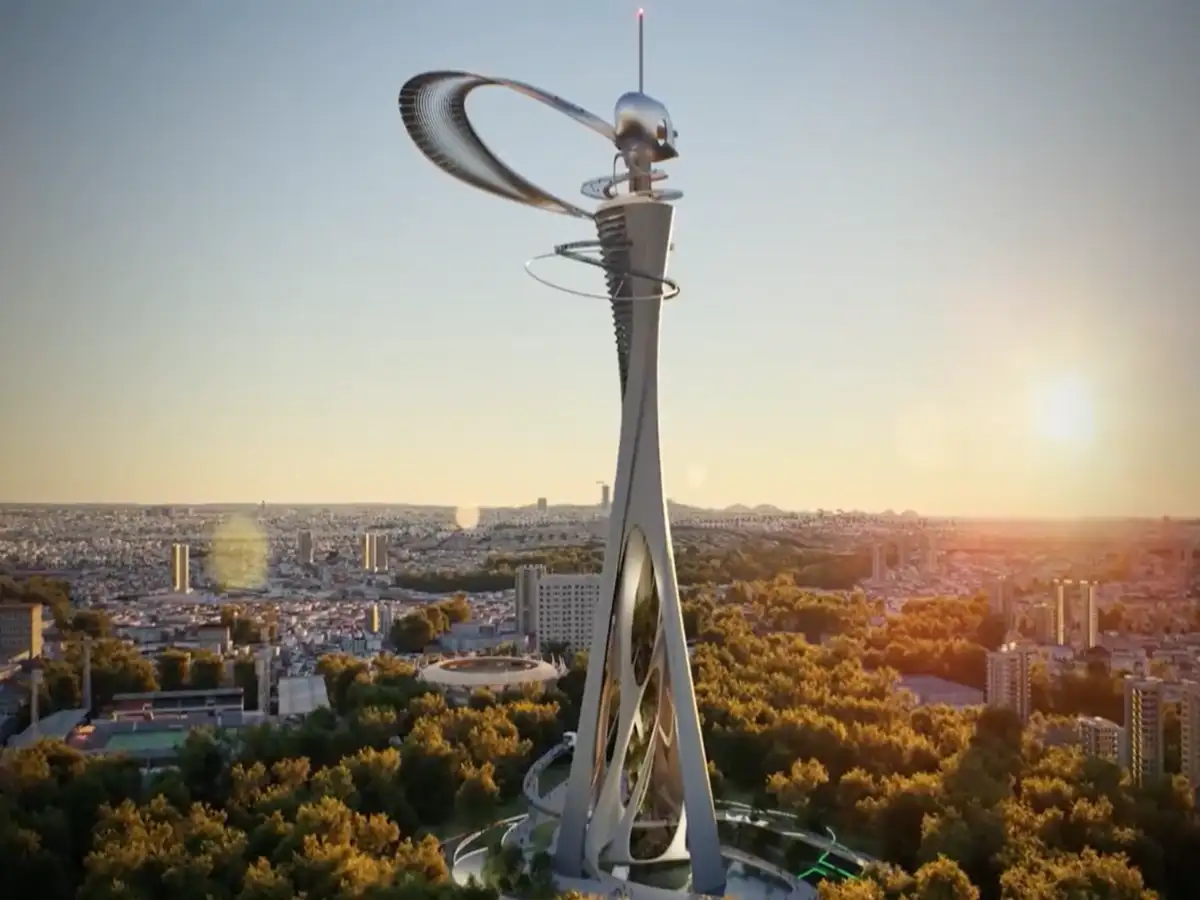
Bengaluru’s ambitious skydeck project is now likely to take shape in Kommaghatta, where authorities are assessing a 30-acre parcel behind the Kengeri Satellite Club for the landmark development. The Deputy Chief Minister recently scoped the site across NICE Road, signalling renewed momentum for what may become South Asia’s tallest observation tower.
The shortlisted land, overseen by the Karnataka Industrial Areas Development Board (KIADB), offers a strategic location near residential neighbourhoods and a scenic lake. Officials believe the plot will deliver optimal connectivity and urban integration—advantages that outweighed an earlier option in Nadaprabhu Kempegowda Layout. According to senior corridors of power, the Deputy Chief Minister conducted a detailed site inspection and urged swift formalities to transfer control of the land to the designated civic unit overseeing the project. This shift signals an end to earlier plans centred on layouts operated by the Bangalore Development Authority (BDA), which were reportedly set aside in favour of Kommaghatta’s superior logistical fit .
The proposed skydeck, estimated at a ₹500‑crore investment, is set to be executed by Bengaluru Smart Infrastructure Ltd (B‑SMILE), the state-level special purpose vehicle under the Bruhat Bengaluru Mahanagara Palike (BBMP). The company, created with a ₹7,000‑crore corpus, is tasked with delivering transformative infrastructure projects including this towering proposal . If realised, the structure is expected to soar to approximately 250 metres—over three times taller than Delhi’s Qutub Minar—boasting 360‑degree views of the Garden City. Till date, over half‑a‑dozen locations had been considered, including KIADB sites near Hemmigepura, the NGEF plot in Baiyappanahalli, and a BDA parcel, but each were ruled out due to aviation constraints, connectivity challenges, or insufficient land availability.
Experts point to Kommaghatta’s appealing fusion of accessibility and zoning suitability. It lies just beyond the exclusion zone for airport flight paths and is adjacent to proposed Metro and ring‑road corridors. As per environmental and infrastructure analysts, this alignment enhances viability for both tourism and urban mobility objectives. The skydeck will be more than a viewing platform. It is projected to host a mix of leisure, retail, and cultural amenities—expected to include exhibition spaces, cafes, and civic programming areas—fortifying the city’s sustainable tourism credentials. This aligns with official mandates for gender‑neutral public spaces and eco‑friendly construction practices under the broader Brand Bengaluru vision.
B‑SMILE is preparing to finalise the implementing agency—likely to be BBMP’s urban development department or the BDA. Once assigned, the project will proceed through approvals, including environmental clearances, airport height certifications, and civic sanctioning, ahead of laying foundations later this year. The 30-acre lot offers scope to feature inclusive urban design elements—pedestrian‑oriented public spaces, permeable landscaping, and storm‑water harvesting systems—meeting the city’s zero‑net‑carbon aspirations. Urban planners emphasise embedding climate‑resilient features such as green roofs and solar‑PV integration in the tower’s design.
Despite the investment, some Bangaloreans question the project’s impact on public spending priorities. Critics cite the need for better public transit, inner-city drainage, and affordable housing as more immediate civic needs. Proponents counter that the skydeck could generate recurring revenue and catalyse peripheral infrastructure — including Metrolink services and improved bus connectivity. As the project nears site transfer, civic engineers are drafting technical needs—utilities, road access, archaeological surveys, and service buffer zones. Discussions are underway to integrate EV charging points and dedicated bus lanes to reduce private‑vehicle usage.
This Kommaghatta pivot marks a decisive point for Bengaluru’s skyline aspirations. By selecting KIADB land with existing development frameworks, civic authorities aim to reduce bureaucratic hurdles and control costs. Yet, success hinges on executing airport clearances, Metro-link planning, and early engagement with nearby communities and environmental stakeholders. For now, the city awaits formal sanction in the upcoming cabinet session and the conclusion of land‑handover protocols. A BBMP spokesperson confirmed that once land control is secured, preparatory works can begin ahead of structural tender calls later this fiscal year.
If smoothly implemented, the Kommaghatta skydeck could symbolize Bengaluru’s ambition to grow not only in size but in vision—blending technology, sustainability, and inclusivity into a civic landmark that resonates well beyond its 250‑metre height.
Also Read : Mumbai Pune Expressway Expansion Under ₹14,260 Cr Plan
