Bengaluru Power Cuts Today Disrupt Lives As Transformer Upgrade Begins
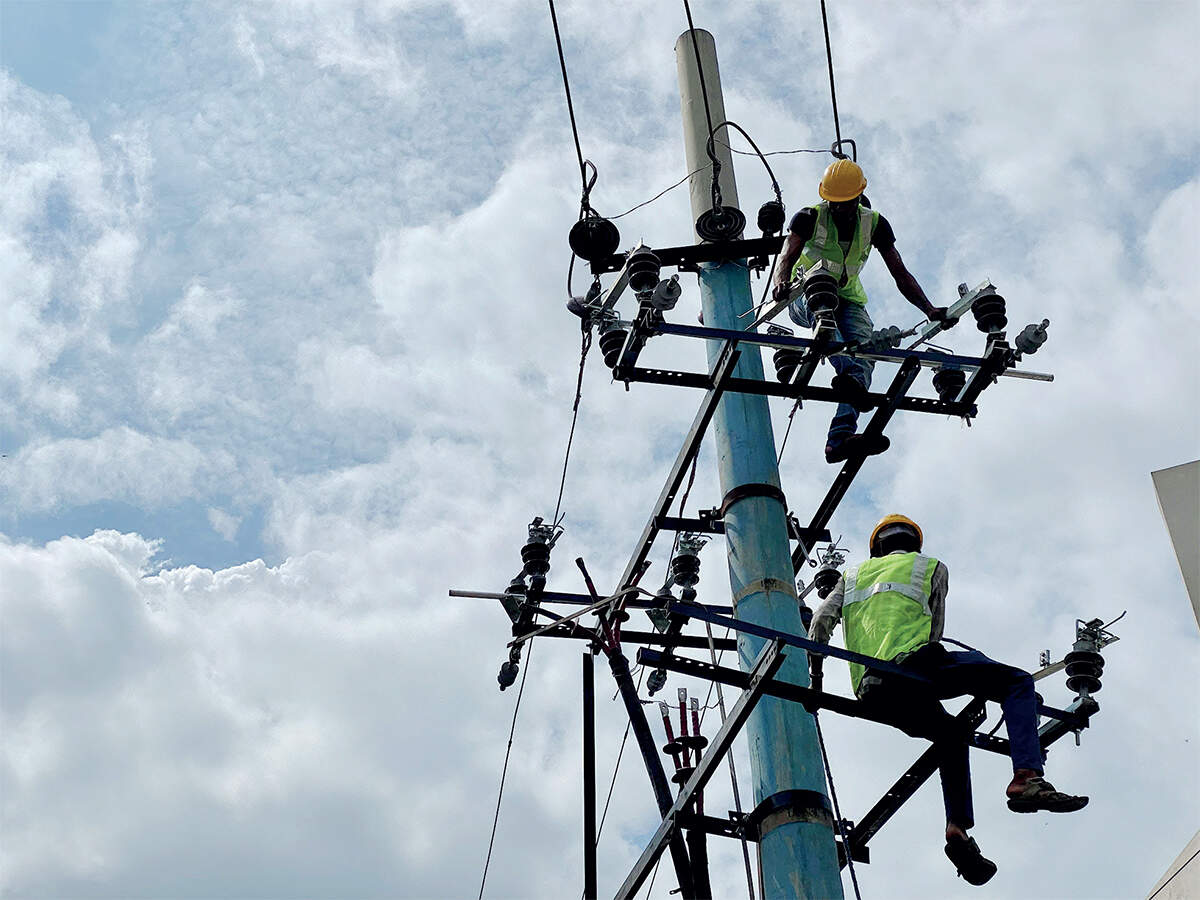
Residents across multiple Bengaluru neighbourhoods are bracing for power cuts today as the city’s electricity distribution agency begins major sub-station upgrades aimed at improving infrastructure reliability. Scheduled between 10 a.m. and 5 p.m., the disruptions have sparked concern among residents and small businesses alike, especially in areas dependent on uninterrupted electricity for work, medical needs, and food storage. The planned outage stems from an urgent effort to replace outdated relays with modern numerical systems, with officials assuring that the upgrade will enhance long-term safety and efficiency of the power grid.
The affected neighbourhoods span densely populated residential and semi-commercial zones, stretching from R.T. Nagar and Veerannapalya to Nagawara and Thanisandra. For many, the timing of the outage—during working hours on a weekday—has complicated daily routines. Residents voiced concern about the lack of backup options in smaller apartments and local clinics, while small shop owners worry about perishable goods and revenue losses. Some citizens have also questioned why such infrastructure upgrades are scheduled without offering alternate energy solutions like temporary solar power or mobile generators, highlighting the broader issue of energy equity in urban planning. Officials explained that the transformer upgrade at the Yellar Bunde sub-station is part of a citywide push to modernise the power distribution network. The older Electromechanical Differential and REF relays are being replaced with digital numerical relays, known for better performance in fault detection and load management.
This move, they added, is essential to prevent future power failures and ensure a smoother integration of smart grid technologies. Experts in urban energy systems emphasised that while maintenance is critical, it must also be coupled with transparent scheduling and equitable distribution of inconvenience. “Energy transition should not mean daily disruption for marginalised neighbourhoods,” said a sustainability advocate. The incident also raises larger questions about Bengaluru’s energy resilience, particularly as the city grows denser and more vertical. With a rising number of apartment complexes, tech parks, and healthcare facilities concentrated in the northern and eastern stretches, even a few hours of power loss can lead to health risks, economic setbacks, and public frustration. Planners say the current upgrade is a small but necessary step towards future-proofing the city’s grid, but more inclusive consultation with citizens is urgently needed to design responsive power policies that match local needs.
As Bengaluru continues to strive towards becoming a smart and sustainable city, disruptions such as these point to the challenges of balancing progress with public comfort. While the transformer modernisation is expected to reduce long-term outages and carbon leakage, short-term planning gaps leave many residents fending for themselves. Urban development experts urge civic bodies to adopt people-first approaches—where critical services like energy are not just technically sound but also socially considerate.