


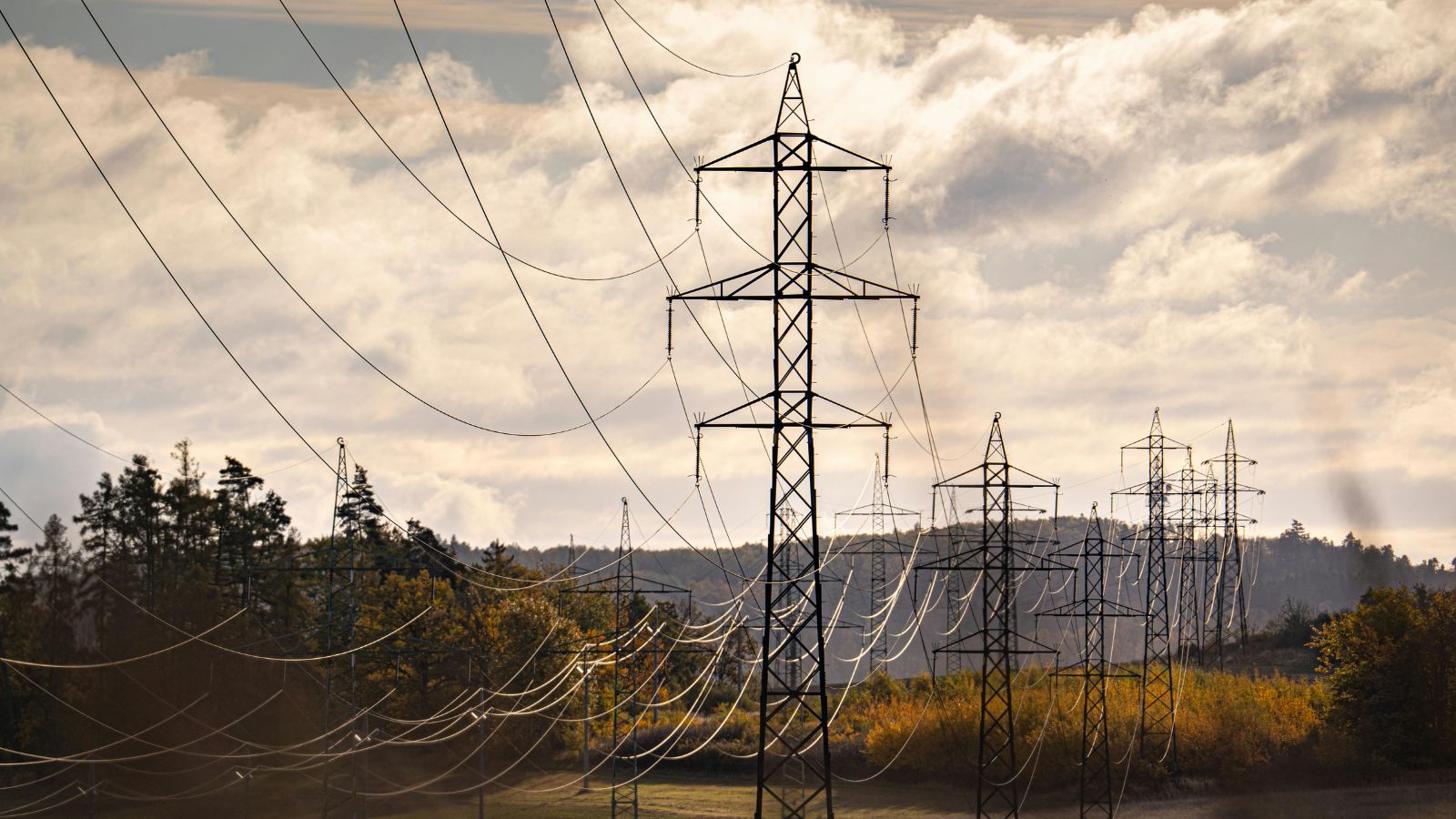
Recurring Bengaluru power cuts are drawing attention to the vulnerabilities within the city’s energy infrastructure, as residents across multiple neighbourhoods report disruptions to daily life and economic activity.
The outages, attributed to both scheduled maintenance and system constraints, highlight the growing strain on urban utilities in one of India’s fastest-expanding metropolitan regions.Energy experts note that Bengaluru power cuts are symptomatic of a broader challenge — balancing rising electricity demand with ageing infrastructure and periodic upgrade requirements. As the city continues to expand, increased consumption driven by residential growth, commercial activity, and digital dependence is placing unprecedented pressure on power distribution networks.For households, the impact extends beyond inconvenience. Power disruptions affect essential services such as water supply in high-rise buildings, internet connectivity for remote work, and access to cooling systems, particularly during warmer periods. These challenges are more pronounced in densely populated areas where reliance on uninterrupted electricity is high.The economic implications are equally significant. Small businesses, retail establishments, and informal enterprises often lack backup power solutions, making them vulnerable to revenue losses during outages. In contrast, larger commercial operations typically rely on diesel generators, which increase operational costs and contribute to environmental pollution.Urban planners emphasise that addressing Bengaluru power cuts requires a multi-layered approach. Infrastructure modernisation, including the upgrading of substations, transmission lines, and smart grid technologies, is essential to improve reliability.
At the same time, better communication around scheduled outages can help residents and businesses plan more effectively.The situation also underscores the importance of diversifying energy sources.Integrating renewable energy, such as rooftop solar, into the city’s power mix can reduce dependency on centralised systems and enhance resilience. Experts suggest that decentralised energy solutions could play a critical role in mitigating the impact of future disruptions.From a sustainability perspective, reliance on backup diesel generators during Bengaluru power cuts raises concerns about emissions and air quality. Encouraging cleaner alternatives, such as battery storage systems and solar-powered backup solutions, could help align energy resilience with environmental goals.Real estate developers are increasingly factoring power reliability into project design. Features such as in-built backup systems, energy-efficient appliances, and solar installations are becoming key selling points, particularly in premium housing segments.However, such solutions are not always accessible to lower-income groups, highlighting an equity gap in energy resilience.Governance and policy coordination will be crucial in addressing these challenges.Ensuring timely infrastructure upgrades, improving demand forecasting, and promoting energy efficiency measures can help stabilise supply. Additionally, citizen awareness around responsible energy consumption can contribute to reducing peak load pressures.
As Bengaluru continues to grow as a technology and economic hub, the persistence of Bengaluru power cuts underscores the need for a more resilient and future-ready energy framework. Strengthening infrastructure while embracing sustainable and inclusive solutions will be key to ensuring reliable power supply in the years ahead.
Also Read:Bengaluru Mumbai Train Enhances Intercity Rail Connectivity
