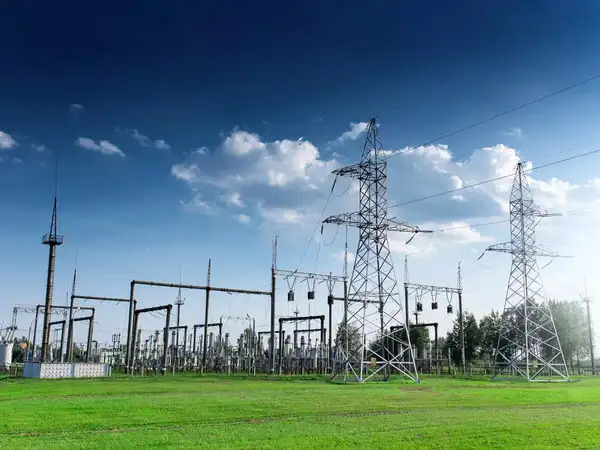
Bengaluru Power Cut Highlights Grid Investment Needs
Bengaluru is preparing for a prolonged disruption to daily life as the city’s electricity distributor rolls out a staggered, multi-day power outage across several neighbourhoods this month, affecting residential clusters, commercial hubs, and essential urban services. The planned shutdown, spread over five days in different zones, underscores the growing strain on urban power networks at a time when economic uncertainty and climate pressures are reshaping how cities function. Officials overseeing the operation say the outage is linked to maintenance and upgrades of ageing transmission infrastructure, aimed at preventing unplanned failures ahead of the summer demand surge. Yet for a city heavily dependent on digital services, home-based work, and small enterprises, even scheduled interruptions carry wide economic and social consequences.
The Bengaluru power cut arrives against a fragile macroeconomic backdrop. Financial markets in India have entered a phase of subdued returns following years of post-pandemic expansion, while global volatility driven by geopolitical tensions and shifting monetary policy expectations continues to influence investor sentiment. Urban economists note that infrastructure reliability has become a critical, though often overlooked, variable in household financial resilience and business continuity. For residents, repeated outages translate into higher out-of-pocket costs from backup power arrangements to disrupted working hours. For small businesses and informal enterprises operating from mixed-use neighbourhoods, predictable electricity supply is essential for cash flow stability. Urban planners point out that such disruptions disproportionately affect women-led home enterprises and service workers, highlighting the need for more inclusive infrastructure planning.
Energy experts argue that the issue is not isolated to Bengaluru. Rapid urbanisation, rising electricity consumption, and climate-induced stress on grids are exposing structural gaps across Indian cities. While maintenance shutdowns are necessary, the frequency and scale of such exercises reflect years of underinvestment in decentralised energy systems, storage, and local resilience measures. At a policy level, the episode has renewed attention on how cities finance and prioritise infrastructure upgrades. Market analysts tracking bond movements note that public investment decisions, including power-sector spending, are closely linked to broader fiscal and monetary signals. Stable, predictable infrastructure reduces risk for both households and investors, particularly in periods of economic uncertainty.
Urban sustainability specialists stress that future-proofing cities will require more than reactive repairs. Expanding rooftop solar adoption, strengthening neighbourhood-level substations, and integrating climate-resilient design into power planning could reduce the need for disruptive shutdowns. As Bengaluru navigates the current power cut, the larger lesson for India’s cities is clear: reliable urban infrastructure is not just a civic convenience but a foundation for economic stability, social equity, and long-term resilience. What follows these outages in terms of investment, transparency, and planning reform will determine how well cities are prepared for the uncertainties ahead.