



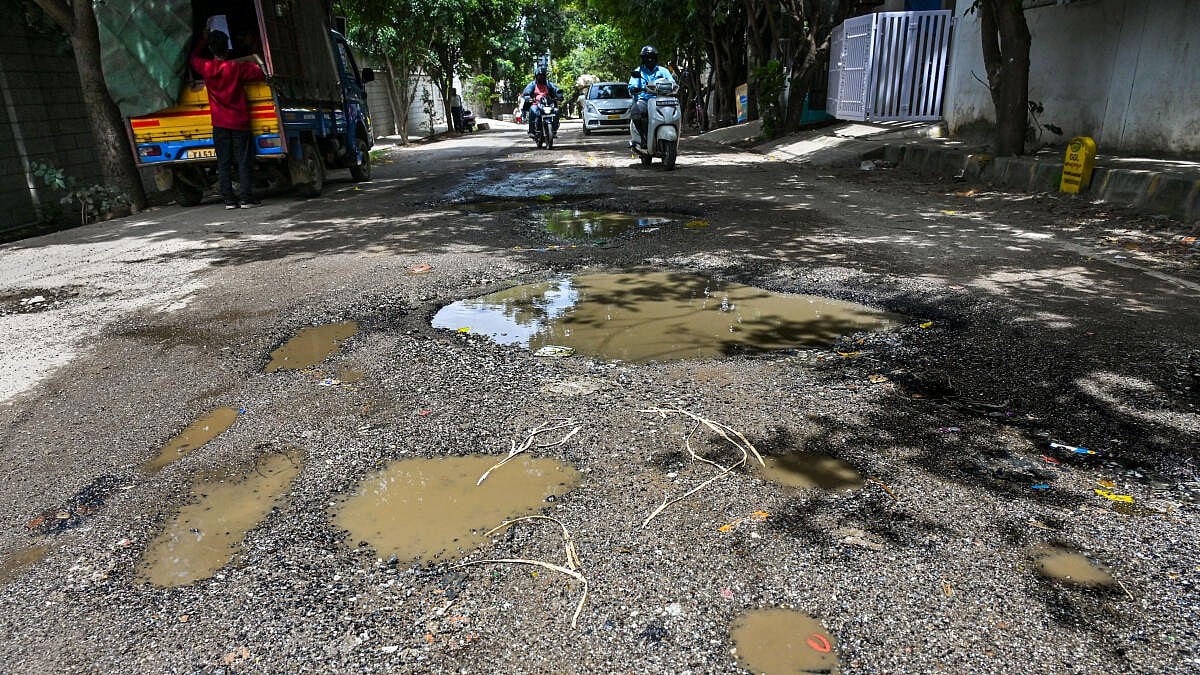
Persistent road damage across the city is intensifying scrutiny of Bengaluru pothole issue, as questions emerge over the effectiveness of daily public spending on infrastructure.
Despite substantial expenditure by civic authorities, residents continue to report widespread potholes, raising concerns about execution, accountability, and long-term urban planning.Urban infrastructure experts point out that the Bengaluru pothole issue reflects deeper systemic challenges rather than isolated maintenance failures. Factors such as poor road construction quality, inadequate drainage systems, and frequent utility works often contribute to rapid road deterioration. Without addressing these root causes, repeated repairs may offer only temporary relief.The financial dimension is particularly significant. With large sums reportedly being spent on a daily basis, the lack of visible improvement in road conditions has sparked debate around resource allocation and monitoring mechanisms. Analysts suggest that inefficiencies in project execution and oversight could be undermining the impact of public investment.From a mobility perspective, the Bengaluru pothole issue directly affects commute times, vehicle maintenance costs, and overall road safety. Damaged roads increase the risk of accidents and place additional stress on transport networks, especially during peak traffic hours. This has broader economic implications, as delays and disruptions can reduce productivity across sectors.The situation also highlights the importance of integrated urban planning. Road infrastructure must be designed and maintained in coordination with drainage, water supply, and utility networks. Experts note that fragmented planning often leads to repeated digging and patchwork repairs, which weaken road surfaces over time.
Climate factors further exacerbate the problem. Heavy rainfall can quickly deteriorate poorly maintained roads, making them more susceptible to pothole formation. As cities like Bengaluru face increasing climate variability, building resilient infrastructure becomes essential to minimise recurring damage.In terms of governance, addressing the Bengaluru pothole issue requires greater transparency and accountability in public works. Real-time tracking of projects, clear timelines, and public disclosure of spending can help improve oversight and build trust.The use of technology, such as geo-tagging and citizen reporting platforms, is being explored to enhance monitoring.The real estate sector is not immune to these challenges. Poor road conditions can affect property values and reduce the attractiveness of certain areas, particularly those lacking reliable infrastructure. For developers and investors, consistent road quality is a key factor influencing long-term viability.Socially, the burden of inadequate infrastructure often falls disproportionately on daily commuters, delivery workers, and those reliant on road-based transport. Ensuring equitable access to safe and reliable roads is therefore a critical aspect of inclusive urban development.Experts emphasise that resolving the Bengaluru pothole issue will require a shift from reactive maintenance to proactive planning. This includes adopting durable construction materials, improving contractor accountability, and investing in preventive maintenance systems.
As Bengaluru continues to expand, the effectiveness of its infrastructure spending will play a crucial role in shaping urban livability. Addressing persistent road quality issues will be essential to ensuring that public investment translates into tangible improvements for residents and businesses alike.
Also Read:Bengaluru Public Spending Transparency Raises Governance Concerns
