Bengaluru Plans Koramangala Style Waste Processing Plants Across All South City Constituencies
Bengaluru is set to replicate the successful Koramangala waste processing model across all South City constituencies, aiming to strengthen municipal solid waste management. South City Corporation officials confirmed that new units will combine wet and dry waste segregation with biomethanation technology, reducing landfill dependency while promoting sustainable urban practices. The initiative comes in response to resident appreciation of Koramangala’s facility and signals the city’s broader commitment to eco-friendly, zero-carbon, and inclusive waste solutions.
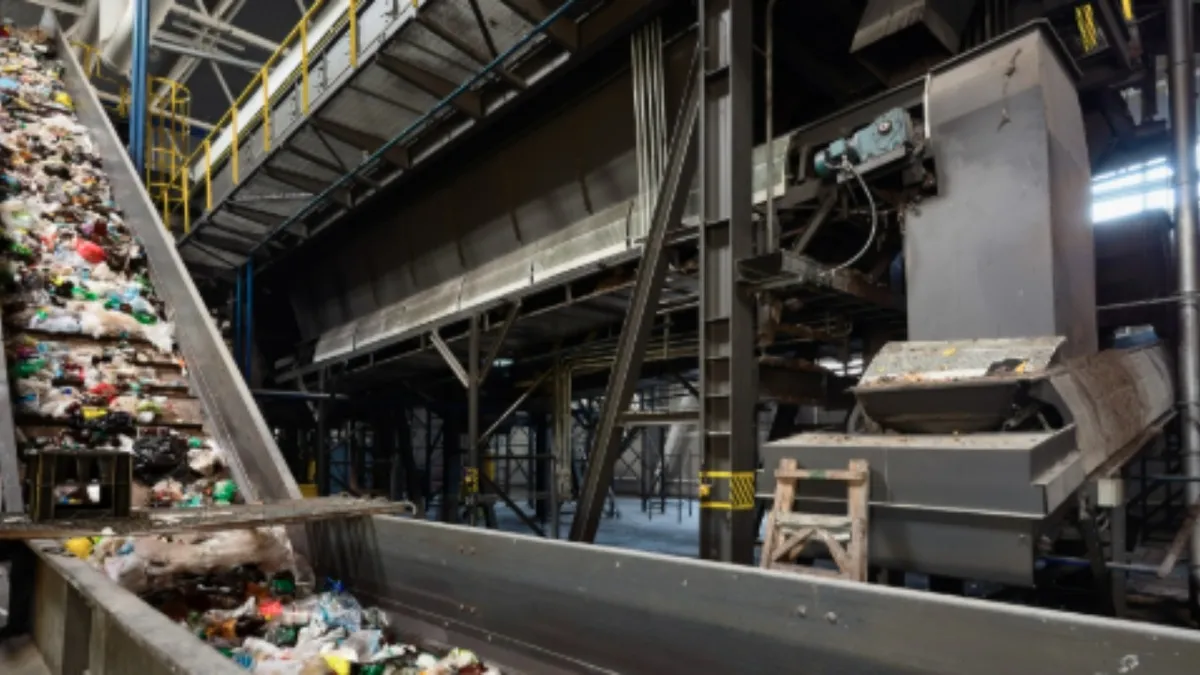
South City Corporation Commissioner K N Ramesh conducted an on-site inspection of the Koramangala facility this week, reviewing its biomethanation plant and the overall solid waste management process. Officials said the model demonstrates how systematic segregation and processing of wet and dry waste can decrease landfill burden while generating usable energy from organic waste. “The Koramangala approach provides a scalable blueprint for sustainable urban waste management,” an urban planning official noted.Ramesh also visited the dry waste collection centre to examine storage and disposal practices for items including old furniture, damaged machinery, footwear, and glass bottles. The facility employs recycling and material recovery techniques to divert usable materials from landfills, reflecting Bengaluru’s growing commitment to sustainable resource management. Experts highlighted that such constituency-level decentralisation can reduce transportation emissions, improve operational efficiency, and foster resident participation in eco-conscious waste practices.
Beyond solid waste, the commissioner reviewed ongoing restoration work at Hulimavu Lake. He emphasised the need to prevent untreated sewage and stormwater from entering the waterbody, while instructing officials to install fencing to stop encroachment. “Protecting urban lakes is vital for ecological balance, public health, and climate resilience,” an environmental specialist said. The combined focus on waste management and waterbody protection underlines a broader strategy for sustainable urban development in Bengaluru.The planned expansion of Koramangala-style units aligns with the city’s push towards zero-carbon infrastructure and circular economy principles. By situating waste processing close to the source, the city can reduce logistical costs, improve recycling efficiency, and promote cleaner neighbourhoods. Industry analysts suggest that integrating biomethanation and material recovery facilities into each constituency could set a national benchmark for smart, inclusive urban waste management.
Residents have already expressed appreciation for Koramangala’s model, citing cleaner streets, efficient collection, and visible recycling outcomes. Officials indicated that detailed planning and budget allocations are underway, with stakeholder consultations involving civic engineers, environmental consultants, and local communities. If implemented successfully, the citywide rollout could enhance Bengaluru’s environmental performance, strengthen citizen engagement, and cement the metropolis as a leader in sustainable, inclusive, and resilient urban development.