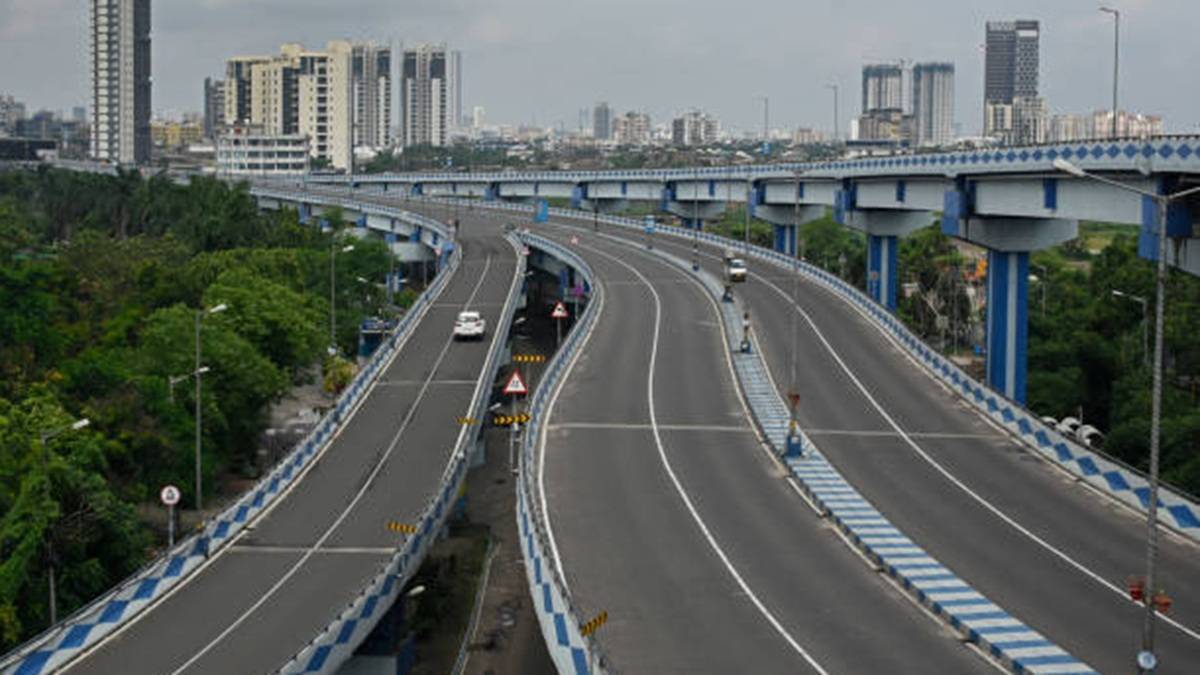
Bengaluru plans 1.5 km Hebbal tunnel road and flyover
Bengaluru’s long-standing traffic bottleneck at Hebbal Junction may soon see significant relief, with the state government advancing plans for a 1.5-kilometre tunnel road and a new flyover designed to streamline vehicle movement towards the airport. The proposals, prepared by Bengaluru Smart Infrastructure Ltd and the Bangalore Development Authority, are part of a broader effort to modernise mobility networks and reduce gridlock at one of the city’s busiest intersections.
Officials stated that the tunnel road, proposed between Esteem Mall and Baptist Hospital, is aimed at easing cross-traffic at Hebbal without routing commuters through the tolled 16.5-km tunnel road. The flyover plan, meanwhile, seeks to provide a direct link from KR Puram towards Kempegowda International Airport, where growing passenger volumes have placed additional pressure on arterial corridors.The infrastructure push comes in the backdrop of rapidly increasing vehicular density across Bengaluru, with estimates suggesting over 1.2 crore registered vehicles in the city. Hebbal, a critical junction connecting multiple highways, has long been plagued by gridlocks, with traffic snarls often stretching several kilometres during peak hours. Commuters have repeatedly flagged delays, air pollution, and road safety risks as pressing concerns.
Authorities recently inaugurated a new loop at the Hebbal flyover, constructed at a cost of ₹80 crore. A second loop, connecting Esteem Mall towards Mehkri Circle, is expected to be operational by November. Together, these expansions will increase the number of lanes from two to six, significantly boosting road capacity. Officials confirmed that the total cost of the current flyover expansion stands at ₹300 crore.Urban transport experts point out that while flyovers and tunnels provide short-term relief, Bengaluru’s traffic crisis requires more sustainable, multi-modal solutions. Investment in public transport networks such as suburban rail, metro extensions, and eco-friendly mobility corridors will be key in achieving long-term congestion reduction and lowering carbon emissions. With Bengaluru positioning itself as a global technology hub, a balanced mobility strategy that prioritises both efficiency and sustainability is seen as critical to the city’s economic growth.
Civic planners argue that the Hebbal tunnel and flyover project, if executed efficiently, could play a pivotal role in redistributing vehicular loads and cutting down travel time to the airport. However, they caution that without integrated planning across agencies, such projects risk shifting congestion from one choke point to another.As the city prepares to implement these new infrastructure proposals, residents remain hopeful that Hebbal’s long-standing congestion troubles may finally ease. The success of these measures will depend on timely execution, transparent planning, and the ability to integrate sustainable urban mobility solutions for Bengaluru’s rapidly expanding population.