


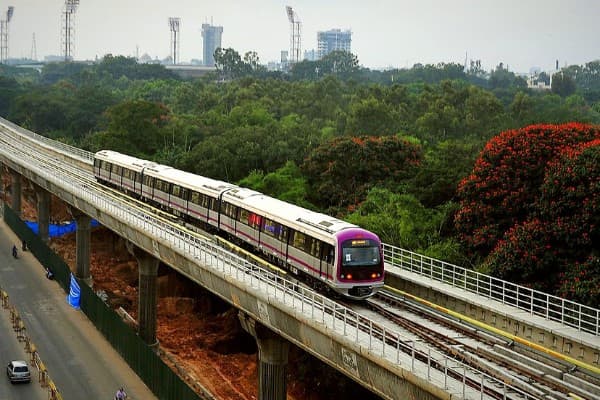
Bengaluru is set to enter a pivotal stage in expanding its public transport network as trial runs for the much‑anticipated Pink Line of the city’s metro system are projected to begin later this month.
The move marks a significant step forward in shaping the city’s sustainable mobility framework and reflects sustained efforts to ease congestion in one of India’s fastest‑growing urban regions.The Pink Line, a major addition to Bengaluru’s integrated rapid transit belt, is designed to link densely populated residential zones with key employment and commercial centres.Transport officials indicate that initial tests will focus on track integrity, signalling systems and platform compatibility, laying the groundwork for subsequent safety certifications and phased passenger operations.Urban planners argue that the forthcoming metro trials are more than a routine milestone; they are a barometer of Bengaluru’s capacity to deliver large‑scale public infrastructure on schedule. The metro network has long been viewed as central to reducing the city’s dependency on private vehicles, improving travel predictability and mitigating the environmental impact of road traffic. For commuters, especially in outer suburbs, enhanced metro connectivity can translate to shorter, more reliable journeys and increased access to employment nodes.
Infrastructure specialists note that trial operations often reveal system‑level insights that influence final commissioning timelines. These include identifying optimal train frequencies, calibrating automated controls, and streamlining first‑ and last‑mile connectivity. A senior transport analyst describes such testing as a critical phase where technological precision meets real‑world operating conditions, ensuring that when full services commence, they adhere to both safety and efficiency benchmarks.
Economically, the expansion of Bengaluru’s metro network—including the Pink Line—has the potential to reshape urban land use. Transit‑oriented development (TOD) near metro stations frequently attracts retail activity, mixed‑use real estate projects and densification of housing. Industry observers point out that predictable mass transit access often leads to appreciation in property values and can stimulate equitable investment in under‑served districts.From an environmental standpoint, promoting metro usage aligns with the city’s goals for zero‑carbon mobility pathways. Urban air quality and congestion challenges are deeply intertwined with transport choices; increasing the share of public transit journeys can contribute to lower per‑capita emissions and a healthier urban environment. Planners emphasise that metro systems, when complemented by pedestrian infrastructure and feeder bus services, become central pillars of a low‑carbon urban transport ecosystem. As Bengaluru prepares for the Pink Line’s trial phase, stakeholders are also focused on ensuring inclusive access. Gender‑neutral design features, barrier‑free access for persons with disabilities, and clear wayfinding systems are key elements under review. These considerations reflect broader civic objectives to make urban mobility not only efficient but also equitable.
Looking ahead, the success of the Pink Line trials will influence the commissioning of future corridors and help refine operational strategies for Bengaluru’s larger transit vision. With careful oversight and community‑centred planning, the expanded metro network holds promise for fostering a more connected, resilient and sustainable urban future.
Also Read:Bangalore Showcases Cultural And Economic Ties
