Bengaluru Peripheral Ring Road Faces Traffic And Environmental Concerns
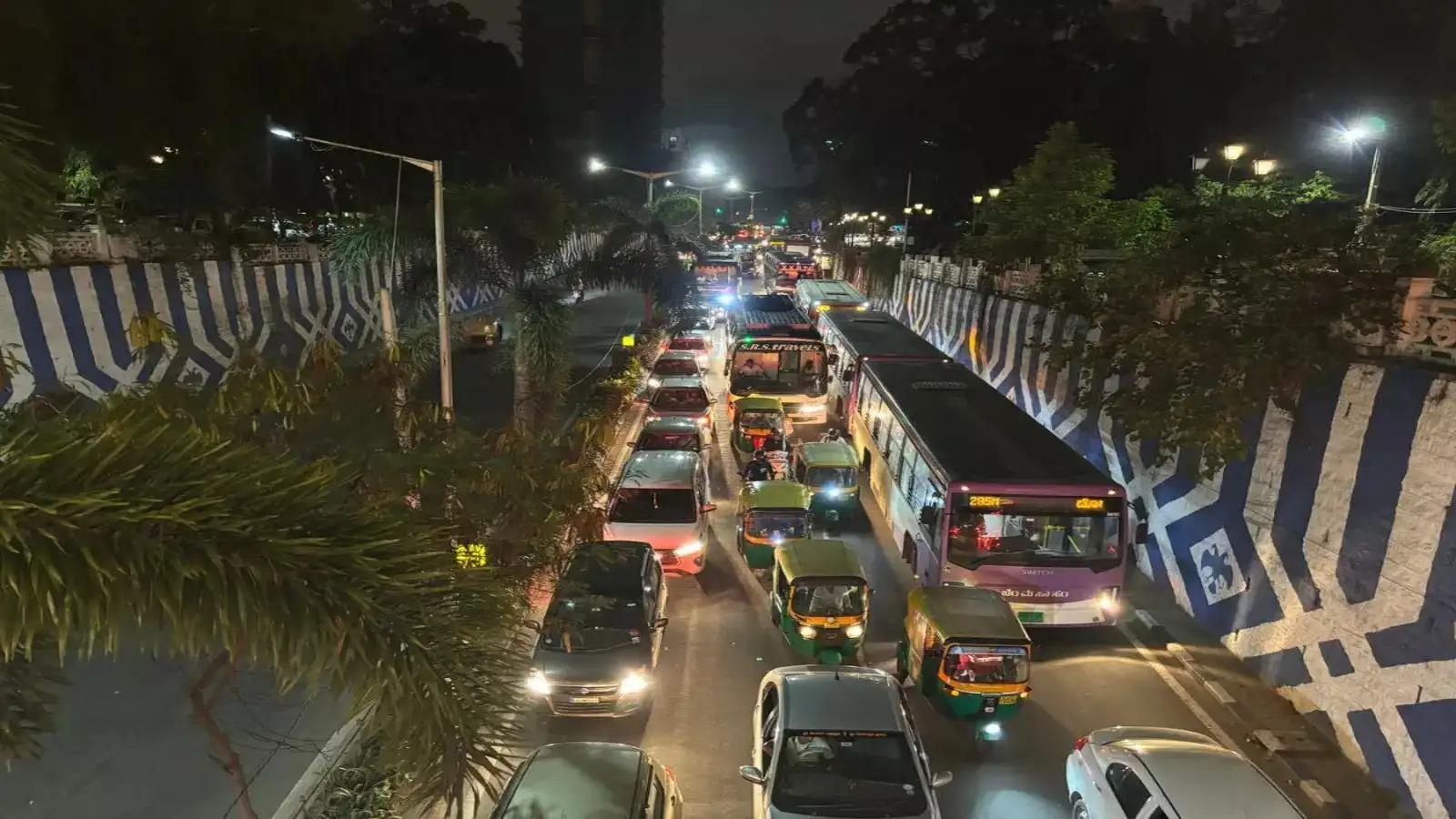
Bengaluru’s long-delayed Peripheral Ring Road (PRR) is reigniting debates over urban planning, traffic management, and environmental sustainability. After two decades of planning, the project remains incomplete, leaving farmers in limbo over compensation and residents questioning whether the new road will deliver promised traffic relief.
The PRR aims to provide an alternative corridor around Bengaluru, potentially easing congestion on existing city arteries. Yet, urban planners and transportation experts caution that the proposed 28-metre carriageway may be insufficient for long-term demand. While authorities plan for an eight-lane access-controlled road with dedicated space for a future metro line, narrow sections and the potential for commercial developments along the corridor could create choke points that limit traffic flow. Experts highlight the need for a broader, forward-looking design that accounts for projected city growth over the next 50 years. Land acquisition remains a flashpoint. Authorities have reportedly begun inviting tenders after acquiring only 60% of the land, raising concerns among local landowners over fairness and transparency. Urban planning specialists note that piecemeal approaches to land procurement risk uncoordinated development along the corridor, potentially undermining the road’s utility while inflating costs.
Environmental risks further complicate the PRR’s prospects. The route passes near critical ecosystems, including Bannerghatta National Park, Puttenahalli Bird Reserve, and the Avalahalli Reserve Forest. Environmental assessments indicate that construction could result in the felling of over 32,000 trees across more than 120 species and generate significant carbon emissions. There are additional concerns about impacts on six local lakes and the Thippagondanahalli Reservoir, crucial for the city’s water supply. Ecologists warn that altered runoff patterns and reduced tree cover may exacerbate urban flooding and degrade water quality.
Civic authorities assert that an elevated design will minimise watershed disruption and support future public transport integration, including metro connectivity, potentially reducing vehicle emissions. Nonetheless, independent analysts stress that transparency is critical: the final Environmental Impact Assessment, Environment Clearance, and Detailed Project Report must be publicly accessible to ensure informed citizen engagement and sustainable planning outcomes. The PRR illustrates a broader challenge in rapidly expanding cities: balancing urgent infrastructure needs with long-term environmental and social resilience. Without a holistic approach that safeguards ecosystems, ensures fair land compensation, and incorporates future mobility trends, the road risks becoming a short-term solution that exacerbates urban pressures rather than alleviating them.