Bengaluru Partners With Cement Factories To Reuse Plastic Waste Efficiently Statewide
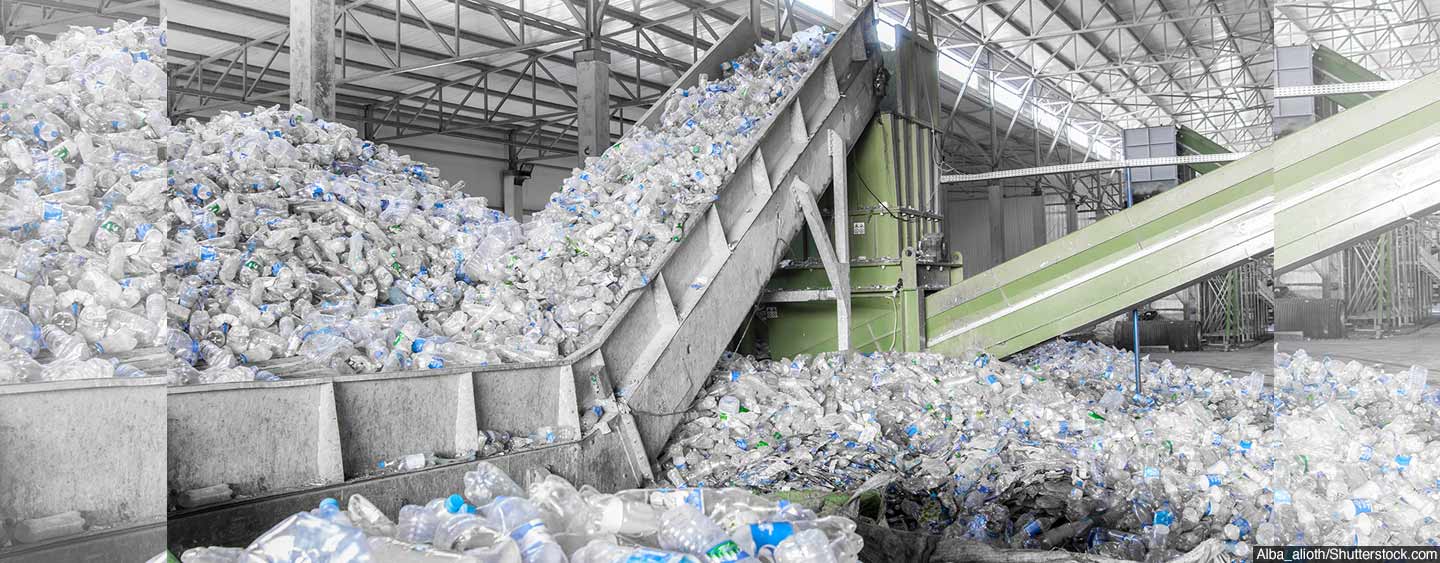
Bengaluru has initiated a citywide programme to supply segregated low‑value plastic waste to cement factories across Karnataka, turning a persistent municipal disposal challenge into industrial fuel. The move allows the city’s Solid Waste Management authority to reduce landfill pressure while supporting the cement sector’s energy needs. Officials say this collaboration not only diverts hundreds of tonnes of plastic from dumpsites but also reinforces circular economy practices, creating a sustainable link between urban waste and industrial energy use.
The Bengaluru Solid Waste Management Limited (BSWML), responsible for the city’s municipal waste operations, has begun transporting processed low-value plastic to cement kilns in multiple districts. These plastics, often non-recyclable by conventional means, are co-processed at high temperatures to generate energy, effectively replacing part of the fossil fuels traditionally used in cement production. An official noted that this method helps both the municipal authorities and cement manufacturers by creating a mutually beneficial waste-to-energy supply chain.Industry experts highlight that cement plants have increasingly embraced refuse-derived fuel (RDF) from low-value plastics due to its high calorific content. “Well-segregated plastic fractions are now in demand, and facilities can handle substantial daily volumes,” an industrial advisor said. This approach not only provides BSWML with economic incentives through extended producer responsibility (EPR) credits but also reduces the carbon footprint associated with landfill degradation and fossil fuel combustion.
Traditionally, Bengaluru’s plastic waste has strained landfills, contributing to methane emissions and environmental contamination. By channeling this waste into cement kilns, the city is not just reducing landfill volumes but also ensuring the materials serve a productive industrial purpose. Experts point out that such initiatives can improve urban resource efficiency and demonstrate how public-private partnerships can underpin sustainable city planning.The programme complements existing waste-to-energy initiatives in Bengaluru, including the Bidadi plant, which converts segregated dry waste into electricity for tens of thousands of homes. Municipal authorities stress that the success of this cement partnership depends on consistent segregation at source. Residents and informal waste collectors are encouraged to separate wet, dry, and hazardous materials before collection to maintain the quality of plastic streams supplied to industrial partners.Urban planners observe that integrating municipal waste management with industrial energy systems is an emerging model in sustainable cities. “Redirecting low-value plastics into high-temperature industrial processes reduces landfill dependence and engages private-sector capabilities in material reuse,” a senior urban policy expert explained. The scheme also aligns with zero-carbon objectives by mitigating landfill emissions and lowering fossil fuel demand in cement kilns.
Challenges remain in scaling the programme, including strengthening source segregation, expanding local processing infrastructure, and implementing robust tracking mechanisms. Bengaluru authorities are exploring digital tools and incentive models to improve citizen participation, aiming to create a replicable framework for sustainable urban waste management that aligns with climate-resilient, inclusive city development.