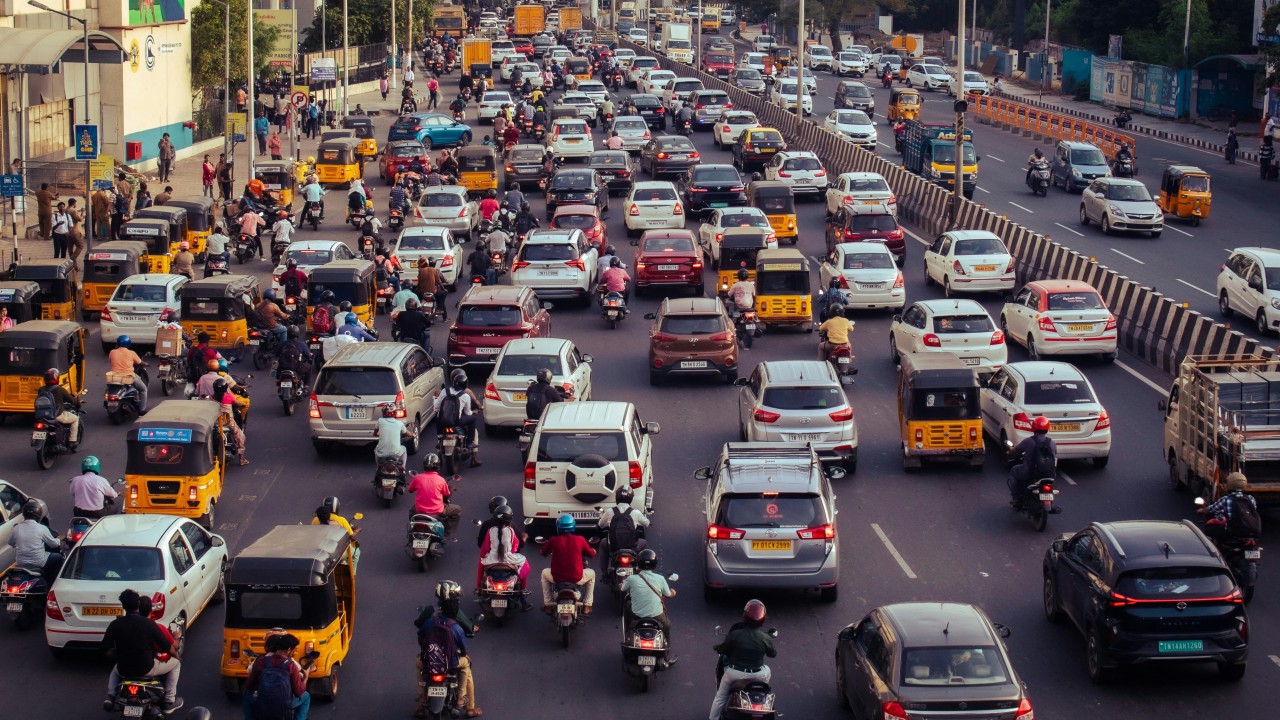
Bengaluru is entering a decisive phase in how it manages its streets. With city corporations preparing to roll out paid on-street parking across multiple commercial corridors, the policy shift signals a broader rethink of how scarce urban road space is priced, regulated, and shared. For a city long accustomed to free curbside parking, the move has implications that extend beyond traffic management into household budgets, public transport demand, and urban equity. The proposed rollout follows the identification of several dozen high-traffic road stretches where parking demand consistently exceeds supply. Transport officials say these corridors were selected after assessments of traffic flow, pedestrian safety, and available carriageway width. If the pilot phase delivers improved compliance and smoother vehicle movement, paid parking could be expanded across the city within months.
Urban planners view the policy as an overdue attempt to correct a structural imbalance. Roads are among a city’s most valuable public assets, yet Bengaluru has historically allowed long-duration private vehicle parking at no cost. Pricing parking, experts argue, discourages unnecessary car and two-wheeler trips, reduces informal occupation of footpaths, and improves turnover for commercial areas. Internationally, paid parking is widely used as a demand-management tool rather than a revenue exercise.However, the Bengaluru parking reform is unfolding amid governance changes. Newly formed city corporations are under pressure to identify independent revenue streams, and parking fees have emerged as a quick source of predictable income. This has raised concerns among civic groups that financial targets could overshadow mobility outcomes if implementation is not carefully managed.
One immediate challenge is displacement. When parking on arterial roads is priced, vehicles often spill into adjacent residential streets where restrictions are minimal. Traffic enforcement officials acknowledge that without a parallel residential parking framework, neighbourhoods near commercial hubs could face rising congestion and localised disputes. Clamping and towing can deter violations, but operational limits and policy safeguards restrict how extensively these tools can be used. Pricing itself is another fault line. Uniform hourly rates may not reflect differences in land value, travel patterns, or income levels across the city. Mobility researchers suggest variable pricing by location and duration to encourage short stays while discouraging all-day parking. Early pilots in some neighbourhoods using lower, time-bound fees have reportedly seen better compliance.
The success of paid parking also hinges on alternatives. Bengaluru’s public transport system, while extensive, remains overstretched relative to the city’s population. Bus crowding, infrequent services on certain routes, and weak last-mile connectivity continue to push commuters towards private vehicles. Without coordinated upgrades to buses, metro access, and pedestrian infrastructure, paid parking risks becoming a cost burden rather than a behavioural nudge. Notably, the city’s parking policy mandates that revenue from paid parking be ring-fenced for pedestrian improvements, non-motorised transport, and public transport support. Yet officials confirm that clear spending frameworks are still absent. Until those links are made visible, the broader promise of the Bengaluru parking reform to reduce congestion, emissions, and dependence on private vehicles may remain only partially realised.